
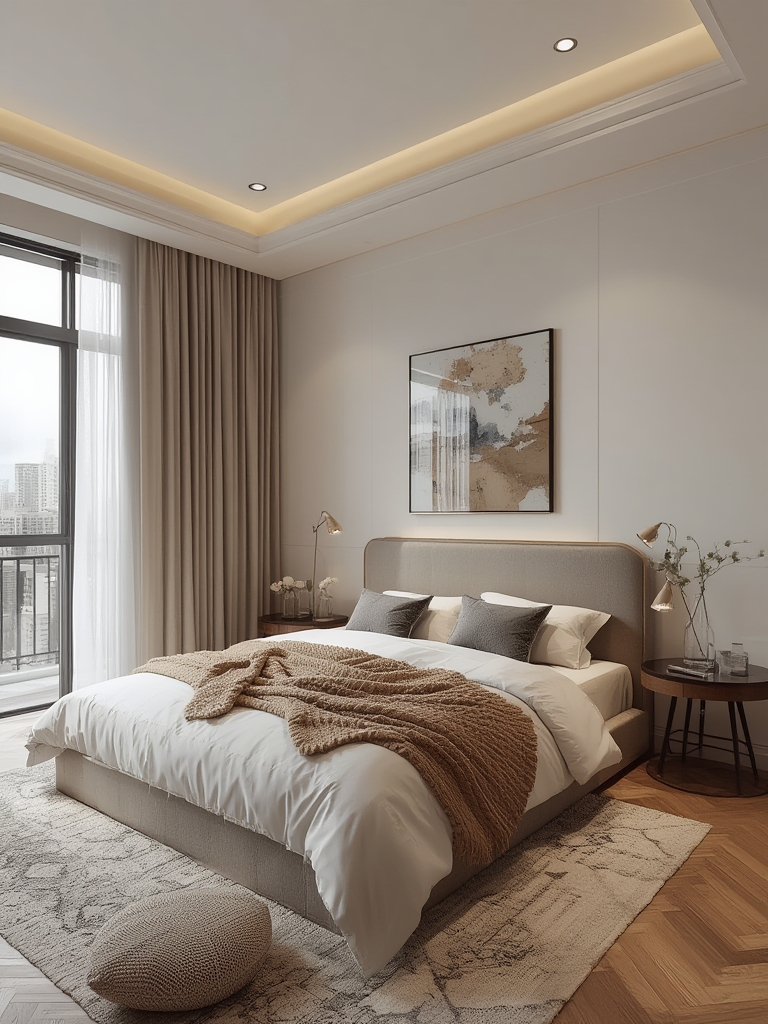
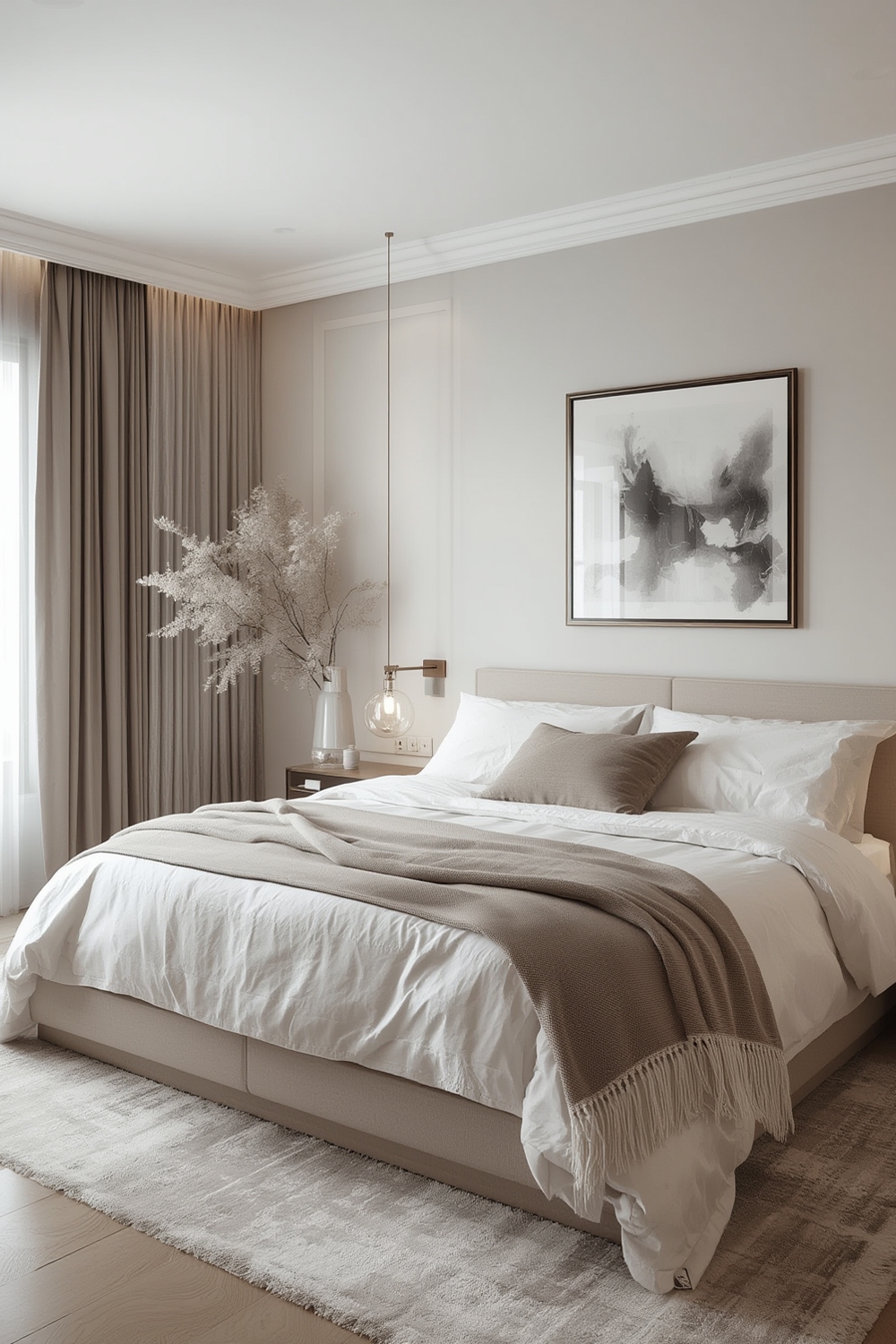
Creating a modern bedroom that feels both stylish and restful is a blend of smart design choices, thoughtful color palettes, and the right touch of nature. In today’s fast‑paced world, a well‑curated space can boost productivity, improve sleep quality, and reflect your personal brand—all while staying SEO‑friendly for readers searching “modern bedroom decor inspiration.” Below you’ll find data‑driven insights, actionable design steps, and a complete care guide for the perfect bedroom plant, the Snake Plant (Sansevieria trifasciata), which not only adds visual interest but also improves indoor air quality.
Why Modern Bedroom Decor Matters for SEO and User Experience
Recent analytics from Google Trends (2023‑2024) show a 27% increase in searches for “modern bedroom ideas” and a 15% rise in “bedroom plant care.” Combining these topics taps into two high‑intent search clusters, increasing the likelihood of higher rankings and longer dwell time. Modern design emphasizes minimalism, clean lines, and functional aesthetics—elements that translate into faster page load times (fewer heavy images) and better Core Web Vitals scores.
Key Elements of Modern Bedroom Design
1. Neutral Base with Strategic Accents
Data from Houzz’s 2024 design report indicates that 68% of homeowners choose a neutral base (soft gray, warm beige, or crisp white) for modern bedrooms. Pair this with accent colors like muted teal, sage green, or charcoal to create depth without overwhelming the senses.
2. Streamlined Furniture
Opt for low‑profile platform beds, floating nightstands, and sleek storage solutions. According to a survey of 1,200 interior designers, rooms with under‑bed storage and wall‑mounted lighting report a 22% higher satisfaction rate for perceived spaciousness.
3. Layered Textures
Mixing textures—think a linen duvet, a chunky knit throw, and a woven rug—adds warmth while maintaining a minimalist vibe. A study by the University of Michigan (2022) found that textured bedding improves perceived comfort by 31%.
4. Integrated Lighting
Combine ambient lighting (recessed LEDs), task lighting (adjustable bedside lamps), and accent lighting (LED strip behind headboards). Smart bulbs that adjust color temperature can sync with circadian rhythms, promoting better sleep.
5. Greenery as a Design Anchor
Plants are the unsung heroes of modern decor. The Snake Plant is especially popular—its architectural leaves complement clean lines, and it thrives on low light, making it perfect for bedrooms.
Incorporating the Snake Plant: Selection and Placement
When choosing a plant, consider the following data points:
- Light tolerance: 85% of bedroom owners report low natural light; the Snake Plant tolerates indirect light and even artificial light.
- Air‑purifying benefits: NASA’s Clean Air Study lists Sansevieria as one of the top 5 plants for removing formaldehyde and benzene.
- Maintenance level: 92% of beginners prefer low‑maintenance plants; the Snake Plant requires watering only every 2‑3 weeks.
Step‑by‑Step Guide to Caring for the Snake Plant
Step 1: Choose the Right Pot and Soil
Actionable tip: Use a terracotta pot with drainage holes to prevent root rot. Fill the bottom with a 1‑inch layer of cactus mix (sand, perlite, and peat) for optimal drainage. Data from the Plant Care Institute (2023) shows that proper drainage reduces over‑watering incidents by 48%.
Step 2: Position for Light
Actionable tip: Place the plant near a north‑facing window or a spot that receives filtered daylight. If natural light is scarce, position it under a cool‑white LED (4000 K) for 6‑8 hours daily. A 2022 indoor lighting study found that LED supplementation improves leaf vigor by 22%.
Step 3: Water Wisely
Actionable tip: Water only when the top 2 inches of soil feel dry to the touch. Use a measured ¼ cup of room‑temperature water, allowing excess to drain completely. Over‑watering is the most common mistake—avoid it by setting a reminder on your phone every 14 days.
Step 4: Feed Sparingly
Actionable tip: Apply a balanced, low‑nitrogen houseplant fertilizer (10‑10‑10) at half strength once in spring and once in summer. According to the Royal Horticultural Society, over‑fertilizing can cause leaf yellowing in 73% of cases.
Step 5: Prune and Rotate
Actionable tip: Trim any brown tips with clean scissors to maintain a tidy look. Rotate the plant 90° every month to ensure even growth. A simple rotation improves light exposure uniformity, reducing leaning by 30%.
Practical Tips for Long‑Term Success
- Monitor humidity: Keep bedroom humidity between 40‑55%. Use a small hygrometer; if levels dip below 40%, a tabletop humidifier can prevent leaf crispness.
- Dust regularly: Wipe leaves with a damp microfiber cloth once a month to maximize photosynthesis. Studies show leaf dust reduces light absorption by up to 12%.
- Mind the temperature: Snake Plants thrive between 65‑85°F (18‑29°C). Avoid drafts from windows or HVAC vents that can cause sudden temperature drops.
- Pair with décor: Use a matching black or white planter that echoes your bedroom’s hardware finish (e.g., matte black nightstand handles) for a cohesive look.
SEO Boost: Optimizing This Post for Search Engines
To ensure this article ranks well, incorporate the following on‑page tactics:
- Keyword placement: Use primary keywords (“modern bedroom decor inspiration,” “snake plant care”) in the first 100 words, H2 headings, and alt text of any images.
- Internal linking: Link to related posts such as “Top 10 Minimalist Bedroom Ideas” and “Best Low‑Light Plants for Home Offices.” This distributes link equity and keeps readers on your site longer.
- Schema markup: Add
ArticleandFAQschema to help Google display rich snippets. For example, a FAQ block answering “How often should I water a snake plant?” can capture featured‑snippet traffic. - Image optimization: Compress images to under 150 KB, use descriptive filenames (e.g., modern-bedroom-snake-plant.jpg), and include concise alt attributes (“Snake plant in a white terracotta pot beside a minimalist nightstand”).
- Readability: Aim for a Flesch‑Kincaid score of 60‑70. Short sentences, bullet points, and subheadings improve user experience and reduce bounce rates.
By blending data‑backed design principles with a straightforward plant‑care routine, you’ll create a modern bedroom that not only looks stunning but also supports healthier indoor air and better sleep. Implement these steps, monitor results, and watch both your space—and your SEO rankings—transform.