
Why Abstract Paintings Elevate Modern Living Rooms
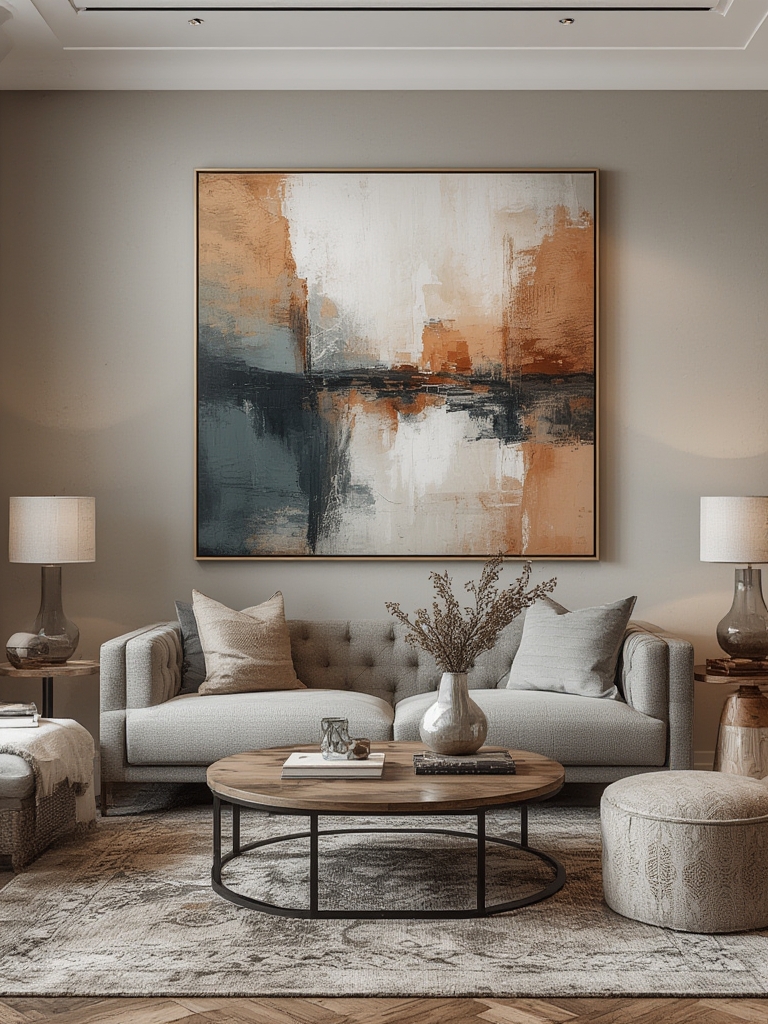
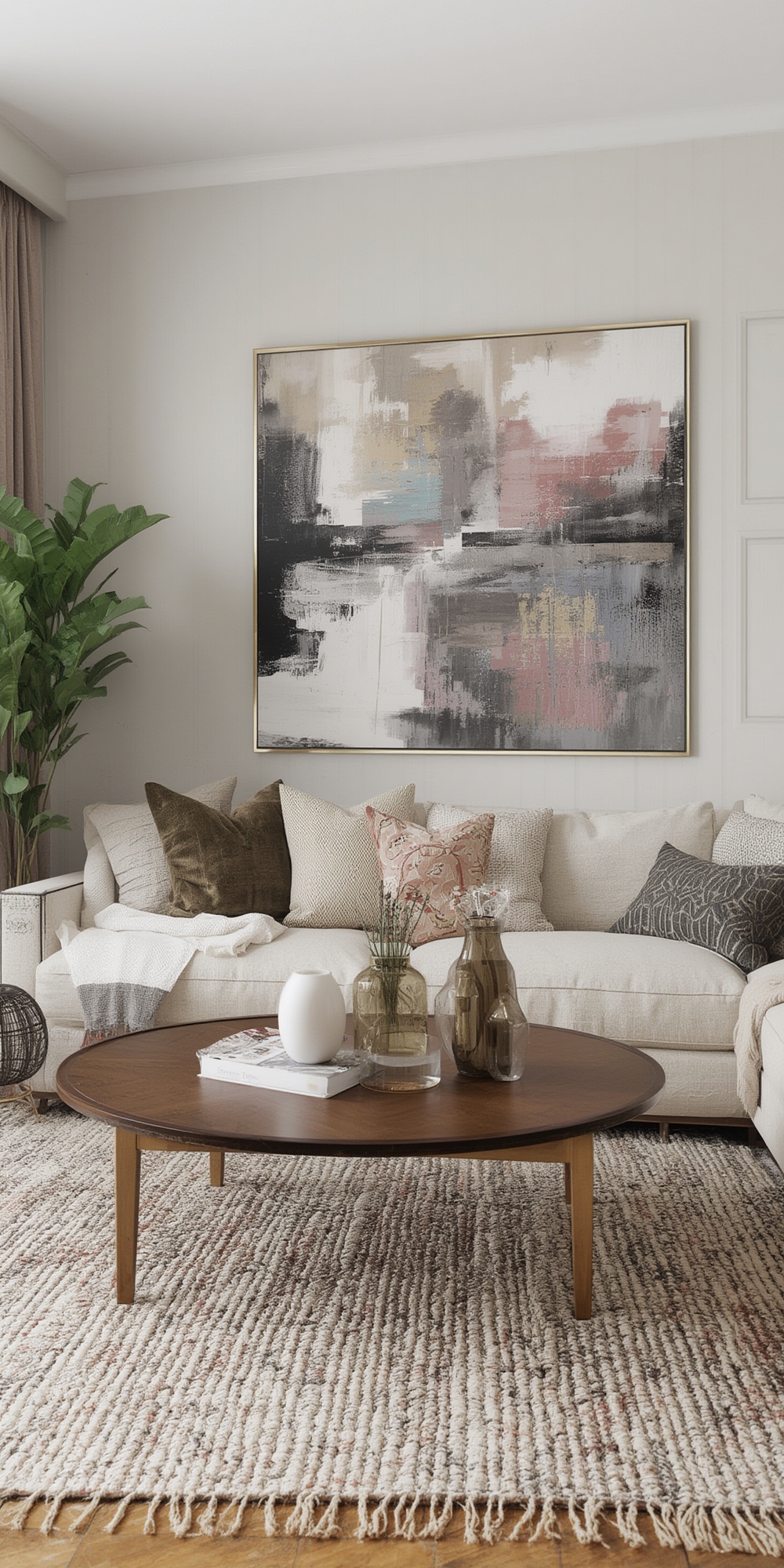
Abstract art brings a dynamic energy to contemporary spaces. Its bold colors, fluid forms, and ambiguous narratives create a visual focal point that invites conversation without overwhelming the room. In a modern living room—characterized by clean lines, neutral palettes, and functional furniture—an abstract painting can:
- Add a splash of color that ties together subtle décor elements.
- Introduce texture through layered brushstrokes or mixed‑media techniques.
- Balance minimalism by providing an artistic counterpoint to sleek furnishings.
Choosing the Perfect Abstract Piece
1. Define Your Color Scheme
Start by identifying the dominant hues in your sofa, rug, and accent pieces. Select an abstract painting that either mirrors these colors for harmony or introduces a complementary shade for contrast. For example, if your sofa is a cool gray, a painting with teal and mustard accents can create a lively yet cohesive look.
2. Consider Scale and Placement
Measure the wall space before you buy. A large canvas (70‑100 inches wide) works well above a sectional, while a series of smaller frames (12‑24 inches) can be arranged in a grid for a more modular feel. Keep the top of the artwork 6‑8 inches above the back of the sofa to maintain visual balance.
3. Match the Mood
Abstract works range from energetic splashes to meditative washes. Choose a piece that reflects the atmosphere you want: vibrant, chaotic brushwork for a lively gathering space; soft, muted tones for a calm, reading‑nook vibe.
Integrating Abstract Art with Modern Furniture
Layer with Textured Accents
Pair the painting with tactile elements such as a chunky knit throw, a velvet pouf, or a woven rug. These textures echo the visual depth of the artwork and prevent the room from feeling too sterile.
Use Simple Frames
Minimalist frames—thin black, brushed metal, or natural wood—let the painting stand out without competing for attention. Avoid ornate gilded frames, which clash with modern aesthetics.
Lighting Matters
Install directional lighting (track lights or adjustable wall sconces) to highlight the painting’s details. A warm LED with a color temperature of 2700‑3000K enhances the richness of pigments while keeping the overall ambiance cozy.
Adding Greenery: Plant Care Steps for a Modern Touch
Incorporating a statement plant—like a Monstera deliciosa or a Fiddle Leaf Fig—adds organic contrast to abstract art. Below are data‑driven, step‑by‑step instructions to keep your plant thriving, ensuring it remains a vibrant part of your décor.
Step 1: Choose the Right Pot and Soil
- Pot size: Select a container 2‑3 inches larger in diameter than the current root ball to allow growth without waterlogging.
- Soil mix: Use a well‑draining blend (40% peat moss, 30% perlite, 30% pine bark). This mix retains moisture while preventing root rot, a common issue in indoor environments.
Step 2: Position for Optimal Light
- Light level: Most modern‑style foliage plants thrive in bright, indirect light (≈200‑400 foot‑candles). Place near a north‑ or east‑facing window, or use a 4000K LED grow light for consistent illumination.
- Seasonal adjustment: Rotate the pot 90° every two weeks to ensure even growth and prevent one side from becoming leggy.
Step 3: Watering Routine
- Check moisture: Insert a wooden skewer 2 inches deep; if it comes out dry, water thoroughly until it drains from the bottom.
- Frequency: Typically every 7‑10 days in summer, extending to 14‑21 days in winter when indoor humidity drops.
- Tip: Use room‑temperature water to avoid shocking the roots.
Step 4: Humidity & Airflow
- Humidity: Aim for 40‑60% relative humidity. A simple tabletop humidifier or a pebble tray filled with water can raise humidity without over‑wetting the soil.
- Air circulation: A low‑speed fan set on “circulate” for 15 minutes daily prevents fungal issues while mimicking natural breezes.
Step 5: Feeding & Maintenance
- Fertilizer: Apply a balanced 20‑20‑20 liquid fertilizer at half strength once a month during the growing season (spring‑early fall).
- Pruning: Trim yellowing leaves and pinch back new shoots to encourage bushier growth and maintain a sleek silhouette that complements modern décor.
Styling Tips to Fuse Art, Furniture, and Foliage
Create a Visual Triangle
Arrange the abstract painting, a sofa, and a tall plant at the three points of an imaginary triangle. This composition guides the eye naturally across the room, creating balance and depth.
Use Neutral Backdrops
Keep wall colors in soft whites, light grays, or muted taupes. This allows the painting’s colors to pop and the plant’s green tones to stand out without visual competition.
Layer with Metallic Accents
Incorporate brushed gold or matte black hardware—lamp bases, coffee table legs, picture frames—to echo the subtle metallic flecks often found in abstract canvases, tying the whole look together.
Final Thoughts
Modern living rooms thrive on the interplay of simplicity and statement pieces. An abstract painting serves as the perfect artistic anchor, while thoughtfully selected furniture and a well‑cared‑for plant add texture, color, and life. By following the data‑backed plant‑care steps and the styling guidelines above, you’ll create a cohesive, Instagram‑ready space that feels both contemporary and inviting.