
Why Concrete Finishes Are the New Star of Modern Living Rooms
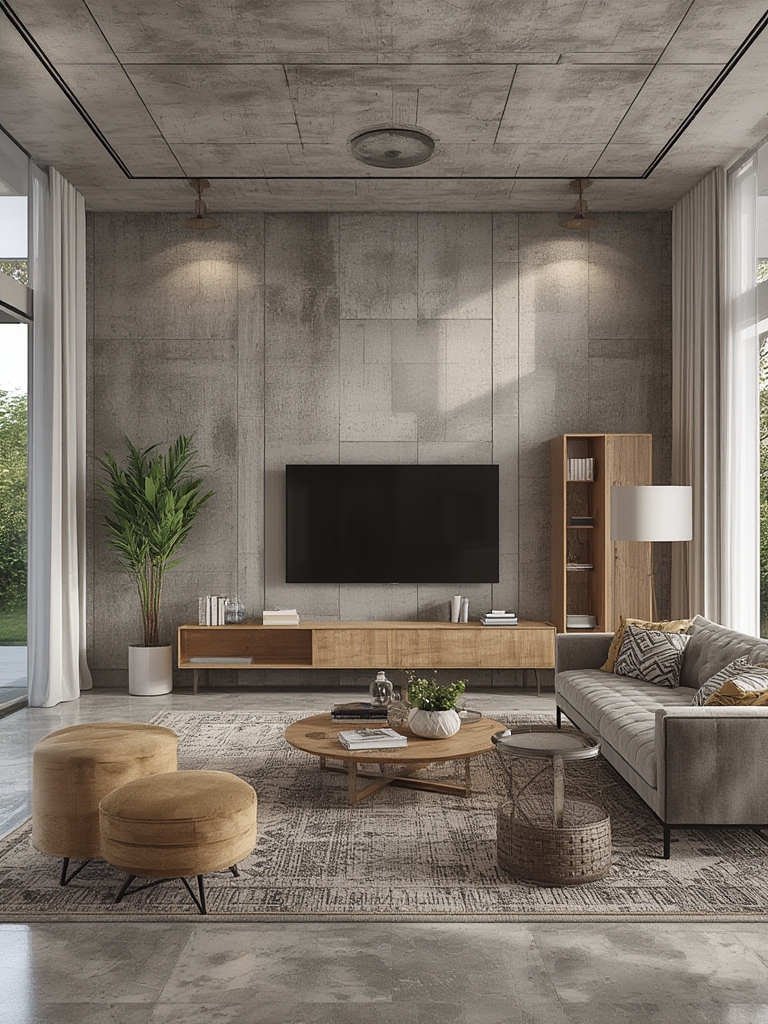
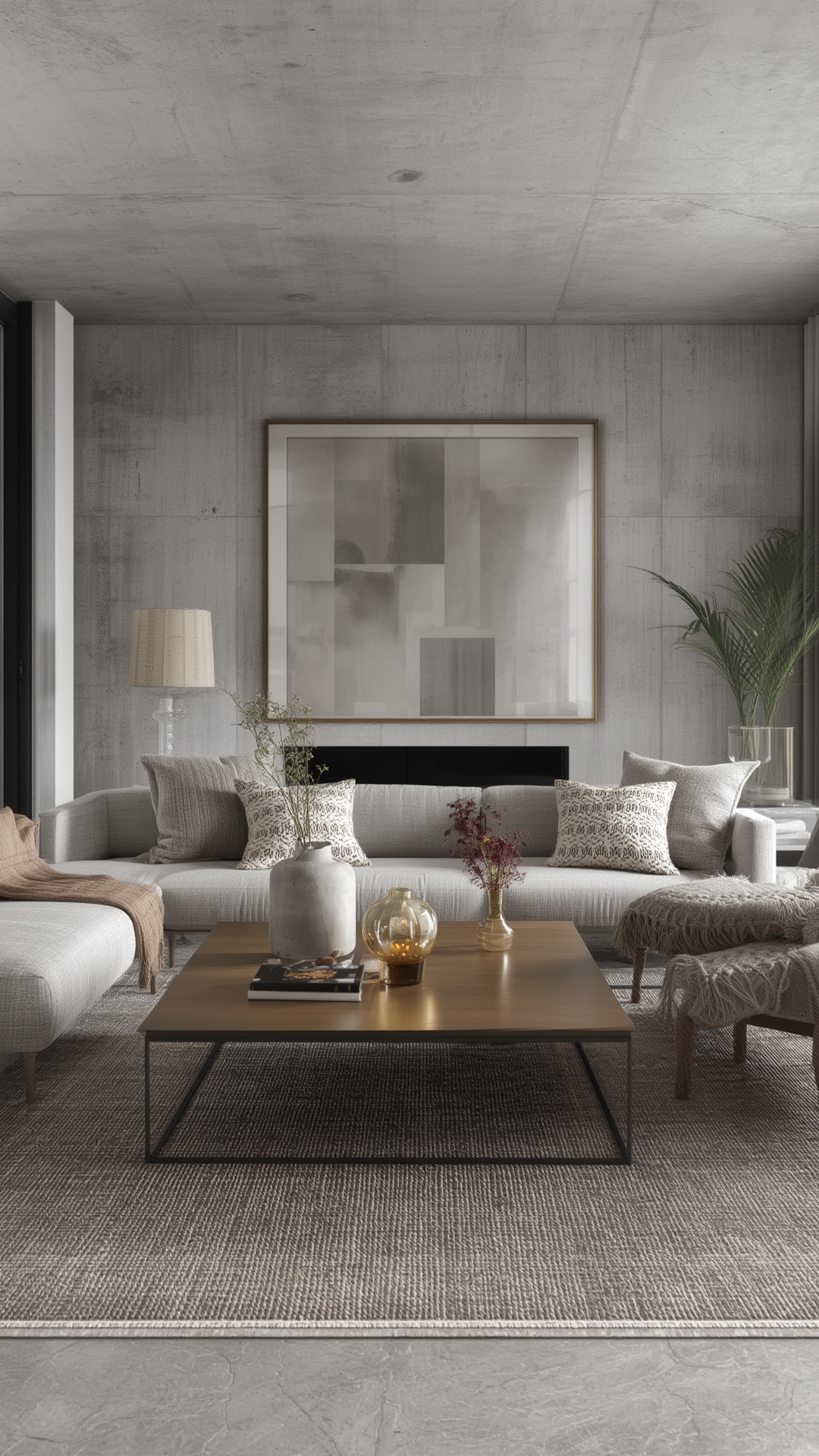
Concrete has moved from industrial warehouses to upscale homes, becoming a staple in modern living‑room design. Its raw, minimalist aesthetic pairs perfectly with sleek furniture, bold artwork, and natural textures. When used correctly, concrete can add depth, durability, and a timeless appeal that few other materials can match.
Key Benefits of Concrete in the Living Room
- Durability: Resistant to scratches, stains, and heavy foot traffic.
- Versatility: Can be polished, stained, or textured to suit any style.
- Thermal Mass: Helps regulate indoor temperature, keeping spaces cooler in summer and warmer in winter.
- Eco‑friendly: When sourced locally, concrete reduces transportation emissions and can incorporate recycled aggregates.
Step‑by‑Step Guide to Integrating Concrete Finishes
1. Choose the Right Concrete Surface
Start by deciding which area will benefit most from concrete. Common choices include:
- Flooring: Polished concrete creates a sleek, reflective surface that elongates the room.
- Accent Walls: Stained or board‑formed concrete adds visual interest without overwhelming the space.
- Fireplace Surrounds: A concrete mantle feels contemporary while staying heat‑resistant.
Tip: Test a small sample patch before committing to a full‑scale application. This helps you gauge color, texture, and how light interacts with the finish.
2. Prepare the Substrate
A solid foundation is crucial for a flawless concrete finish.
- Clean the area of dust, grease, and loose debris.
- Apply a moisture‑blocking primer if the substrate is concrete or wood.
- Use a self‑leveling underlayment for uneven floors to ensure a smooth final surface.
Pro tip: For wooden subfloors, install a ½‑inch plywood overlay to prevent cracking.
3. Select the Concrete Mix
Different mixes produce different looks:
- Polished Concrete: High‑strength mix with low water‑to‑cement ratio.
- Stained Concrete: Add acid‑based or water‑based stains for color.
- Exposed Aggregate: Incorporate decorative stones for a textured finish.
Actionable advice: Work with a local supplier who can tailor the mix to your desired finish and compressive strength (typically 4,000–5,000 psi for residential floors).
4. Apply the Concrete
- Mix according to the supplier’s instructions; avoid over‑mixing.
- Pour or trowel the concrete, spreading it evenly with a screed.
- Use a float to smooth the surface, then allow it to set for 24–48 hours.
Quick tip: Keep the ambient temperature between 55°F–75°F during curing to prevent rapid drying and cracking.
5. Finish and Seal
Depending on your chosen look, finish the concrete as follows:
- Polished: Grind with progressively finer diamond pads, then apply a high‑gloss sealer.
- Stained: Apply stain, let it penetrate for 15‑30 minutes, then rinse and seal.
- Exposed Aggregate: Wash away the top layer of cement paste to reveal the stones, then seal.
Maintenance tip: Re‑apply a penetrating sealer every 1–2 years to protect against stains and wear.
Bringing Life to Concrete: The Perfect Plant Companion
Concrete’s cool, industrial vibe can feel stark without a touch of greenery. A low‑maintenance, architectural plant such as the Snake Plant (Sansevieria trifasciata) or ZZ Plant (Zamioculcas zamiifolia) adds texture, improves air quality, and thrives in the low‑light conditions often found in modern homes.
Choosing the Right Plant for a Concrete‑Centric Living Room
- Light: Both Snake and ZZ plants tolerate low to bright indirect light.
- Water: They prefer infrequent watering—ideal for busy homeowners.
- Size: Select a tall, upright specimen to contrast the horizontal lines of concrete flooring.
Step‑by‑Step Care Guide for Your Modern‑Living‑Room Plant
Step 1: Pot Selection and Soil Preparation
Choose a pot with drainage holes and a sleek finish (e.g., matte black ceramic) to complement concrete.
- Fill the bottom with a 1‑inch layer of coarse gravel for extra drainage.
- Use a well‑draining potting mix—cactus or succulent blend works best.
Actionable tip: Add a thin layer of perlite on top of the soil to prevent compaction.
Step 2: Planting the Specimen
- Gently loosen the plant’s root ball and place it in the pot.
- Fill around the roots with soil, firming lightly to eliminate air pockets.
- Leave ½‑inch space below the rim for watering.
Quick trick: Position the plant near a corner where the concrete wall reflects natural light, creating a striking visual balance.
Step 3: Watering Schedule
Over‑watering is the most common mistake.
- Water only when the top 2 inches of soil feel dry to the touch.
- In winter, reduce watering to once every 4–6 weeks.
Pro tip: Use a moisture meter for precise readings, especially in homes with central heating that dries out the air.
Step 4: Light and Placement
Both Snake and ZZ plants thrive in indirect light.
- Place near a north‑ or east‑facing window, or a few feet from a large glass door.
- Avoid direct afternoon sun, which can scorch the leaves.
Design hack: Pair the plant with a concrete side table; the contrast of organic leaves against the smooth stone creates a curated look.
Step 5: Feeding and Maintenance
Feed once during the growing season (spring‑summer) with a balanced, diluted liquid fertilizer (½ strength).
- Wipe dust off leaves monthly using a soft, damp cloth.
- Remove any yellowing or damaged leaves to keep the plant looking tidy.
Actionable advice: Set a quarterly reminder on your phone to inspect the plant for pests—spider mites and mealybugs are the most common culprits.
Putting It All Together: A Cohesive Modern Living Room
When concrete finishes and greenery intersect, the result is a space that feels both urban and inviting. Follow these final styling tips to achieve a balanced look:
- Layer Textures: Add a plush rug with subtle pattern over polished concrete to soften the floor without competing with the material.
- Color Palette: Stick to neutral tones—charcoal, soft gray, and ivory—while letting the plant’s deep green act as a natural accent.
- Lighting: Install recessed LED lights with dimmers to highlight the concrete’s sheen and create ambiance after dark.
- Artwork: Choose large‑scale abstract pieces that echo the geometric lines of concrete surfaces.
SEO‑Friendly Recap
By integrating concrete flooring, concrete accent walls, and low‑maintenance indoor plants, you create a modern living‑room design that scores high on both aesthetics and functionality. Use the step‑by‑step instructions above to ensure a flawless concrete finish and thriving plant, delivering a space that feels fresh, durable, and effortlessly stylish.