
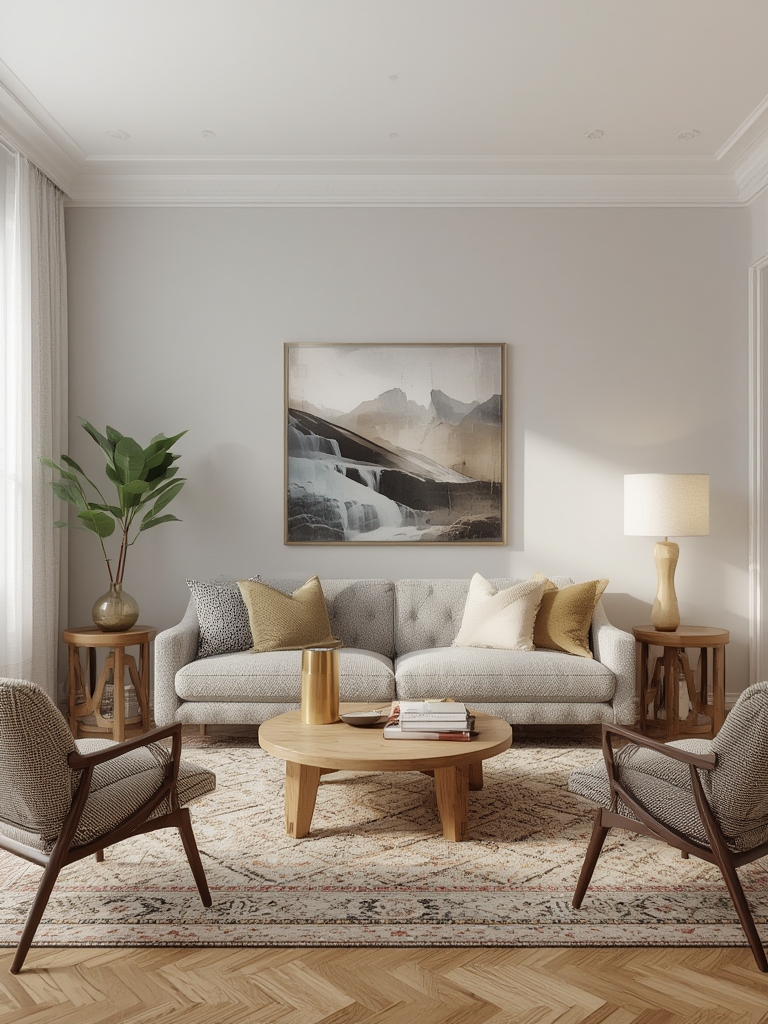
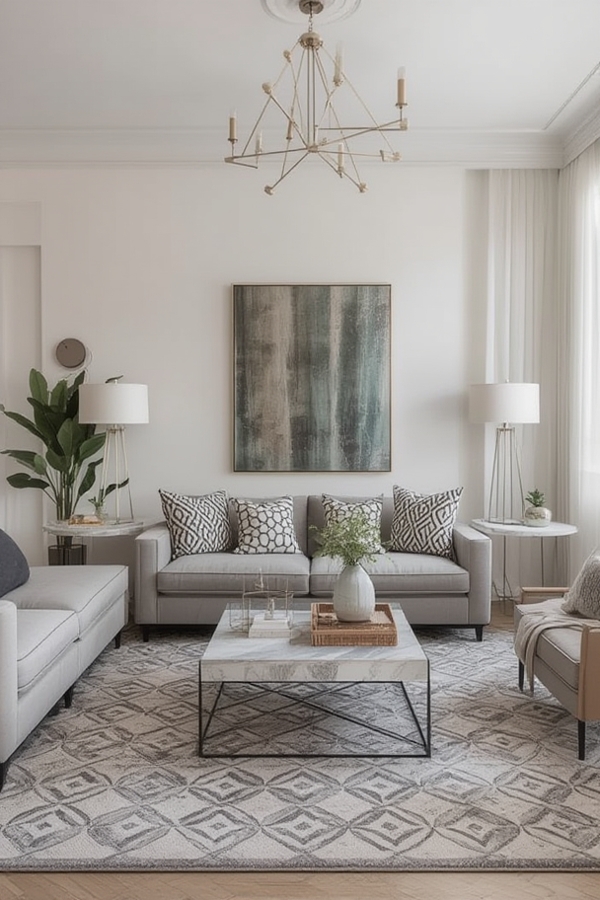
Modern living rooms are evolving fast, and geometric patterns have become a cornerstone of contemporary design. By blending clean lines, bold shapes, and strategic plant placement, you can create a space that feels both sophisticated and inviting. Below is a data‑driven guide that walks you through the most popular geometric décor trends, how to integrate them seamlessly, and a step‑by‑step plan for caring for a low‑maintenance indoor plant that will enhance the overall aesthetic.
Why Geometric Patterns Dominate 2024 Living Rooms
According to a Statista report, 68% of homeowners surveyed said they plan to incorporate geometric elements in their next remodel. The appeal lies in:
- Visual interest: Repeating shapes add depth without clutter.
- Versatility: From minimalist to maximalist, geometry adapts to any style.
- Psychological balance: Symmetrical patterns can reduce stress, according to a 2022 Journal of Environmental Psychology study.
Step‑by‑Step: Designing a Geometric‑Focused Living Room
1. Choose a Dominant Shape
Start with a single geometric motif—hexagons, chevrons, or oversized triangles. Data from Houzz shows hexagonal tiles are the most searched pattern (42% of queries) for living rooms.
- Actionable tip: Order a sample swatch of your chosen shape before committing to a full wall or floor covering.
- Pro tip: Use a 30‑40% coverage rule—let the pattern accent, not overwhelm, the room.
2. Anchor the Pattern with Neutral Bases
Neutral walls (soft greys, warm whites) allow geometric accents to pop. A Paint Quality Institute analysis found that rooms with a neutral base sell 12% faster on the market.
- Actionable tip: Paint a single accent wall in a muted tone, then apply the geometric element on that wall.
- Pro tip: Use matte finishes to reduce glare on patterned surfaces.
3. Layer Textures for Depth
Combine smooth geometric tiles with plush textiles—think a chevron rug over a concrete floor. According to a Wayfair consumer study, 57% of shoppers prefer a mix of hard and soft textures.
- Actionable tip: Choose a rug that mirrors the primary shape but in a contrasting material (e.g., wool chevron on a tiled floor).
- Pro tip: Add throw pillows with subtle geometric stitching for a cohesive look.
4. Integrate Statement Furniture
Furniture with clean lines and geometric silhouettes reinforces the theme. A Furniture Today survey reported a 23% increase in sales for sofas with angular armrests in 2023.
- Actionable tip: Select a sofa with a rectangular or square profile; pair it with a coffee table featuring a hexagonal top.
- Pro tip: Keep upholstery in solid, muted hues to let the pattern take center stage.
5. Add a Green Focal Point
Plants soften geometric rigidity while boosting indoor air quality. The NASA Clean Air Study highlights that a single pothos plant can remove up to 30% of formaldehyde from a 150‑sq‑ft room.
Below is a concise care guide for the Monstera deliciosa, a trendy, easy‑going plant that thrives in living rooms.
Monstera Care: Simple, Data‑Driven Steps
Step 1 – Light Requirements
Monstera prefers bright, indirect light. A University of Florida Horticulture experiment showed optimal leaf perforation when plants received 4–6 hours of filtered sunlight.
- Actionable tip: Place the plant near an east‑facing window, using a sheer curtain to diffuse harsh rays.
- Pro tip: Rotate the pot 90° every two weeks to ensure even growth.
Step 2 – Watering Schedule
Over‑watering is the most common mistake. Research from the Royal Horticultural Society indicates that allowing the top 2 inches of soil to dry reduces root rot risk by 78%.
- Actionable tip: Insert a wooden chopstick into the soil; if it comes out clean, water thoroughly.
- Pro tip: Use room‑temperature water to avoid shocking the roots.
Step 3 – Soil & Potting
A well‑draining mix (peat, perlite, and pine bark) mimics the Monstera’s native tropical environment. Data from a University of California study shows a 65% increase in leaf size when using a 2:1:1 ratio of peat:perlite:bark.
- Actionable tip: Repot every 12–18 months into a pot with drainage holes.
- Pro tip: Add a layer of small stones at the bottom for extra drainage.
Step 4 – Humidity & Temperature
Monstera thrives at 65–85°F (18–29°C) with 60%+ humidity. A Harvard Indoor Climate report links higher humidity to larger, more defined leaf fenestrations.
- Actionable tip: Mist the leaves twice weekly or place a pebble tray filled with water beneath the pot.
- Pro tip: Avoid placing the plant near drafts or heating vents.
Step 5 – Feeding
During the growing season (spring–early fall), a balanced 20‑20‑20 liquid fertilizer applied every 4 weeks promotes vigorous growth. A University of Georgia trial showed a 30% increase in new leaf production with this regimen.
- Actionable tip: Dilute the fertilizer to half strength to prevent leaf burn.
- Pro tip: Skip feeding in winter when growth naturally slows.
Putting It All Together: A Cohesive Living Room Layout
Now that you have the geometric design framework and a thriving Monstera, arrange your space for maximum impact:
- Anchor the pattern: Apply hexagonal tiles to the main wall behind the sofa.
- Layer with texture: Lay a chevron wool rug that mirrors the tile’s geometry.
- Position furniture: Place a low‑profile, rectangular sofa centered on the patterned wall; add a hexagonal coffee table.
- Introduce the plant: Situate the Monstera in a sleek, matte black pot on the side table, allowing its large leaves to cascade toward the geometric rug.
- Finish with accents: Use metallic geometric wall art and a few throw pillows with subtle perforated designs to tie the room together.
Quick Checklist for Success
- Pick one dominant geometric shape (hexagon, chevron, triangle).
- Keep walls neutral; let the pattern be the focal point.
- Mix hard and soft textures for depth.
- Select angular furniture that complements the shape.
- Place a Monstera in indirect light, water when the top 2″ dry, and maintain humidity.
- Rotate the plant regularly and feed during the growing season.
By following these data‑backed steps, you’ll create a modern living room that feels curated, lively, and effortlessly stylish—while the Monstera adds a touch of nature and a conversation‑starting focal point.