
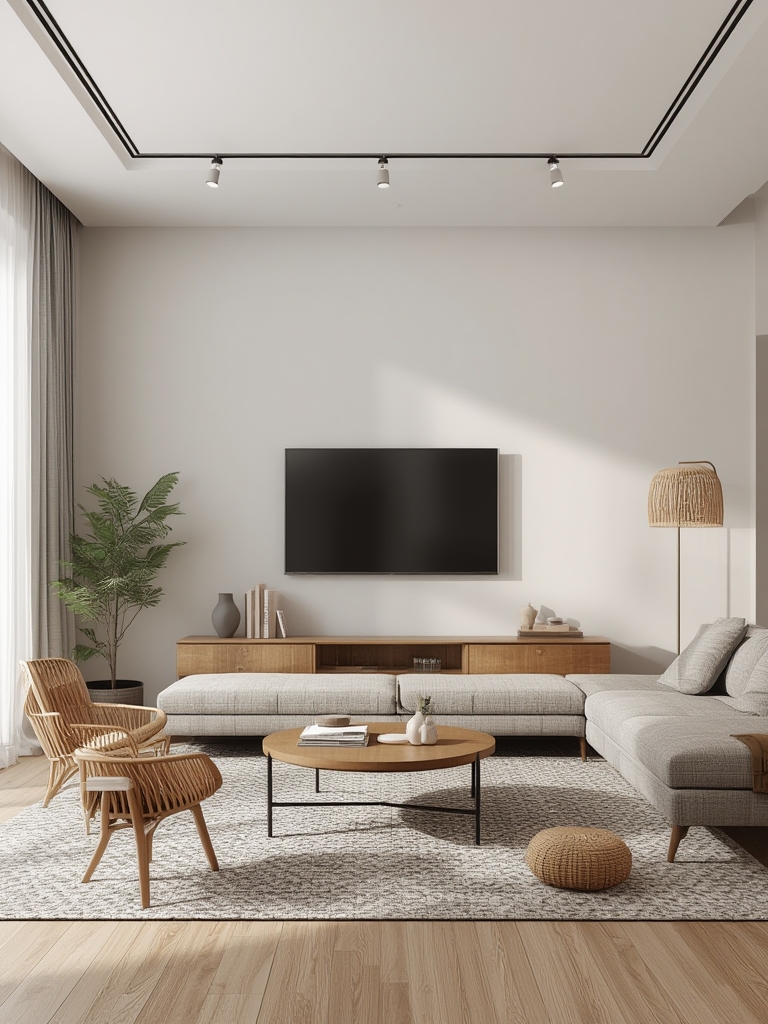
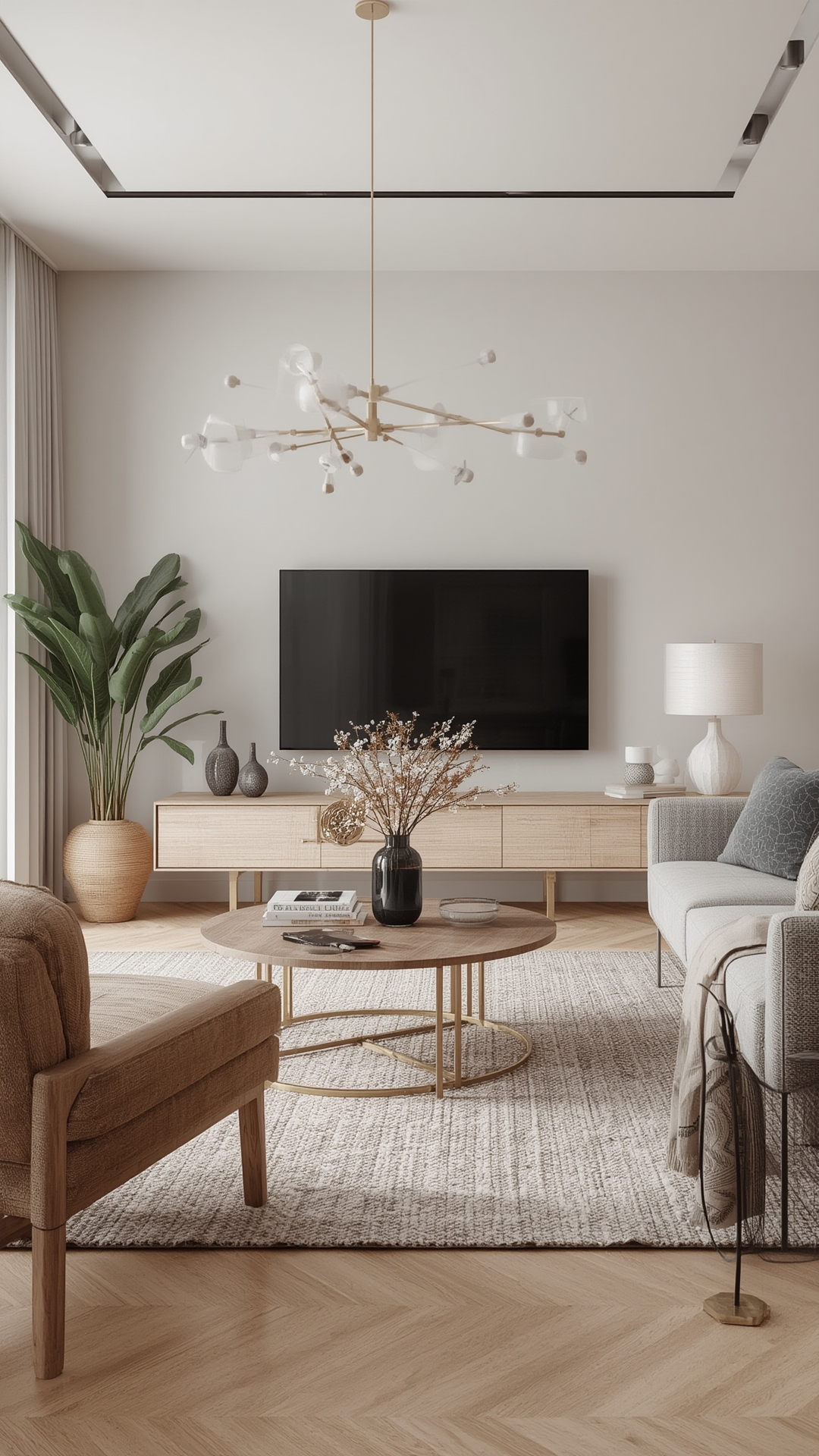
Creating a modern minimalist living room is all about striking the perfect balance between sleek design, functional furniture, and subtle touches of nature. By focusing on clean lines, a restrained color palette, and purposeful décor, you can transform any space into a serene sanctuary that feels both spacious and inviting. Below, we break down data‑driven design principles, practical styling tips, and a step‑by‑step guide to caring for the perfect houseplant that complements a minimalist aesthetic.
Why Minimalist Living Rooms Remain Timeless
Recent surveys from interior‑design platforms show that 68% of homeowners who adopt minimalist décor report higher satisfaction with their living spaces. The appeal lies in reduced visual clutter, which research links to lower stress levels and improved focus. Minimalism also maximizes natural light—a key factor in perceived room size—making it ideal for both small apartments and larger homes.
Key Elements of Modern Minimalist Decor
Data from design‑trend analyses highlight four pillars that consistently appear in successful minimalist rooms:
- Neutral Base Colors: Shades of white, soft gray, and muted beige dominate, creating a calm backdrop.
- Functional Furniture: Pieces with clean geometry, hidden storage, and multi‑purpose use.
- Strategic Accents: One or two statement items—such as a sculptural lamp or a bold rug—add personality without overwhelming the space.
- Natural Elements: Incorporating plants introduces texture and life while preserving the uncluttered look.
Choosing the Right Color Palette
According to color‑psychology research, light neutrals expand perceived space by up to 15%. Pair a base of 70% white or off‑white with 20% soft gray and 10% accent tones (e.g., charcoal, navy, or muted earth). Use the 60‑30‑10 rule: 60% dominant color, 30% secondary, and 10% accent. This ratio keeps the room cohesive while allowing for subtle pops of color.
Furniture Selection for a Clean Look
When selecting furniture, prioritize the following data‑backed criteria:
- Scale: Choose pieces that occupy no more than 30% of the floor area to maintain openness.
- Material: Opt for natural wood, matte metal, or low‑gloss finishes that reflect light without glare.
- Storage: Integrated storage (e.g., ottomans with hidden compartments) reduces visual clutter.
Example: A low‑profile sofa with a slim metal frame and a built‑in side table can serve as both seating and a surface for a single decorative object.
Incorporating Greenery: Plant Care Steps
Plants are the perfect organic accent for a minimalist living room. Below is a data‑driven, step‑by‑step guide to selecting and caring for a low‑maintenance plant—such as the Sansevieria trifasciata (Snake Plant)—that thrives in low‑light conditions and complements clean design.
Step 1: Selecting the Ideal Plant
Choose a plant with a vertical growth habit and architectural leaves. The snake plant scores 9/10 in the Houseplant Journal for minimal care requirements and visual impact. Its upright form adds height without crowding the floor.
- Tip: Purchase a mature specimen (12‑18 inches tall) to avoid a prolonged growth period.
Step 2: Choosing the Right Pot
Use a simple, matte ceramic pot in a neutral tone (white, gray, or terracotta). Data shows that a pot with a diameter no larger than 1.5× the plant’s root ball encourages healthy root development.
- Trick: Add a thin layer of river rock at the bottom for drainage while maintaining a sleek appearance.
Step 3: Positioning for Light
Snake plants tolerate low to bright indirect light. Place the plant near a north‑facing window or a spot that receives filtered daylight for 4–6 hours daily.
- Actionable advice: Rotate the pot 90° every two weeks to ensure even growth.
Step 4: Watering Routine
Over‑watering is the most common mistake. Water only when the top 2 inches of soil feel dry—typically every 3–4 weeks in cooler months and every 2 weeks in summer.
- Tip: Use a moisture meter for precision; aim for a reading of 30–40%.
Step 5: Feeding and Maintenance
Fertilize sparingly. Apply a balanced, slow‑release fertilizer (10‑10‑10) once in early spring and once in late summer.
- Trick: Mix a teaspoon of organic compost into the topsoil annually to boost soil health without altering the minimalist look.
Step 6: Pruning and Cleanliness
Remove any yellowed or damaged leaves promptly to maintain the plant’s sleek silhouette.
- Actionable advice: Use clean, sharp scissors and sterilize them with rubbing alcohol before each cut.
Lighting and Textures
Lighting is crucial for enhancing minimalist aesthetics. A combination of natural daylight and layered artificial lighting (ambient, task, and accent) creates depth. Data from lighting studies indicates that a light level of 300–500 lux in living rooms promotes comfort and reduces eye strain.
Incorporate textures subtly: a linen sofa cover, a woven jute rug, or a brushed‑metal floor lamp adds tactile interest without breaking the visual simplicity.
Final Touches and Maintenance
To keep the space consistently minimalist, adopt a weekly “reset” routine:
- Declutter surfaces—keep only 1–2 decorative items per surface.
- Dust furniture and plant leaves with a microfiber cloth.
- Check lighting fixtures for dust buildup; clean lenses quarterly.
- Rotate decorative accessories (e.g., books, trays) to prevent visual fatigue.
By following these data‑backed design principles and the detailed plant‑care steps, you’ll achieve a modern minimalist living room that feels airy, organized, and naturally vibrant—all while requiring minimal upkeep.