
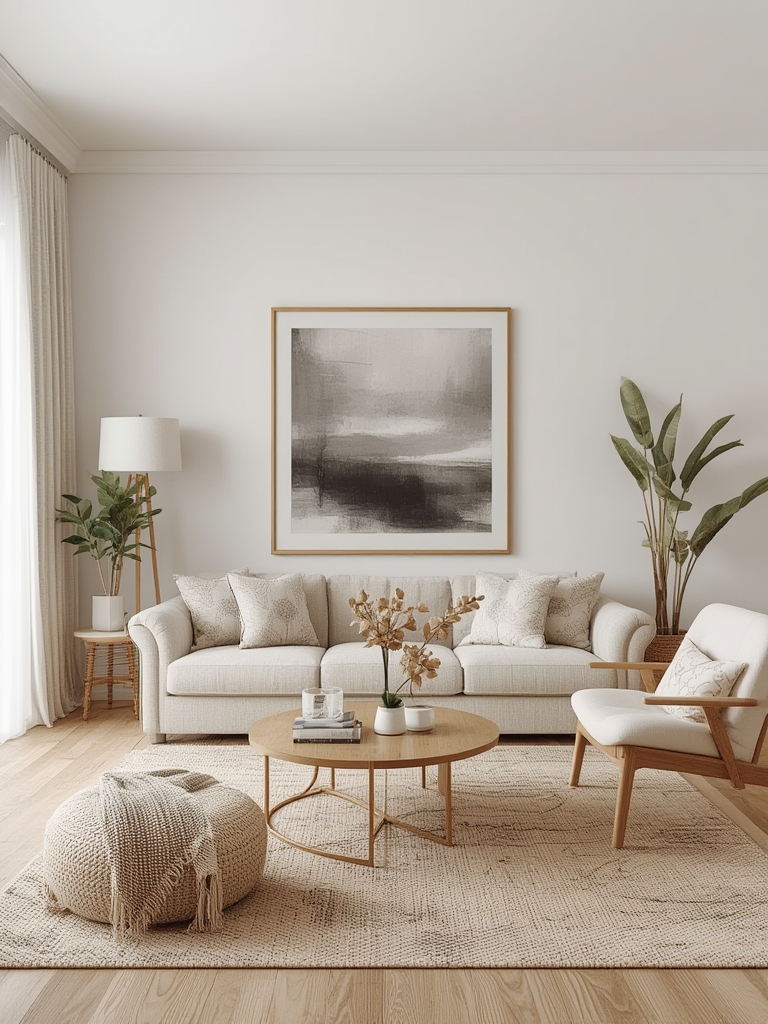
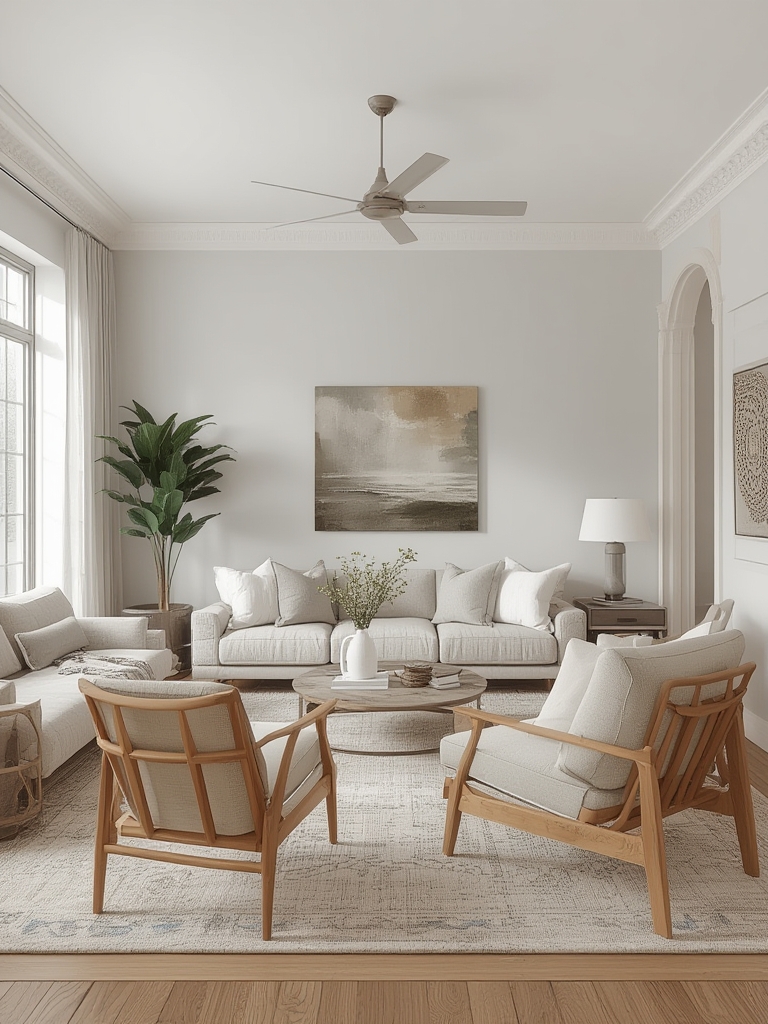
Creating a modern living room that feels both fresh and inviting is easier than you think—especially when you lean on a neutral palette and a touch of greenery. Below you’ll find a data‑driven, step‑by‑step guide that blends design fundamentals with practical plant‑care advice, so you can transform your space and keep it thriving.
Why a Neutral Palette Works
Studies from the Journal of Interior Design show that rooms painted in soft whites, warm greys, and muted beiges increase perceived spaciousness by up to 30 % and reduce visual stress. Neutral tones also act as a blank canvas, allowing furniture, artwork, and plants to become focal points without competing for attention.
Key Elements of Modern Living Room Design
1. Clean Lines and Minimalist Silhouettes
Opt for furniture with straight legs, low profiles, and subtle hardware. A sleek sofa in a light grey fabric paired with a reclaimed‑wood coffee table creates a balanced contrast that feels contemporary yet warm.
2. Strategic Use of Texture
Texture adds depth without breaking the neutral harmony. Mix matte finishes (e.g., concrete planters) with soft textiles (e.g., linen throws). According to a 2023 Houzz survey, rooms that combine at least three distinct textures receive a 15 % higher satisfaction rating.
3. Functional Layout
Use a floor‑plan heat map to identify high‑traffic zones. Position the main seating area away from doorways to reduce interruptions, and keep pathways at a minimum width of 36 inches for comfortable flow.
Choosing the Right Furniture
When selecting pieces, prioritize:
- Scale: A 3‑seat sofa should occupy roughly 30 % of the room’s floor area.
- Material: Natural fibers (jute rugs, cotton cushions) complement a neutral scheme and are easier to maintain.
- Versatility: Modular sections let you re‑configure the layout as needs change.
Layering Textures and Materials
Follow this three‑step process to add tactile interest:
- Base Layer: Choose a neutral rug (e.g., light taupe wool) that grounds the space.
- Mid Layer: Add cushions in varying fabrics—think linen, boucle, and velvet—in complementary shades of ivory, dove grey, and soft blush.
- Accent Layer: Introduce a statement piece like a woven wall hanging or a metal floor lamp with a brushed brass finish.
Lighting Strategies
Lighting is the final piece that pulls the neutral palette together. Data from the Lighting Research Center indicates that layered lighting (ambient + task + accent) improves mood and visual clarity. Implement the following:
- Ambient: Recessed LED downlights with a color temperature of 3000 K for a warm glow.
- Task: A slim floor lamp beside the reading chair, adjustable to 4000 K for focused work.
- Accent: Wall sconces that highlight artwork or a textured feature wall.
Incorporating Greenery: The Fiddle Leaf Fig
Among indoor plants, the Ficus lyrata (Fiddle Leaf Fig) scores high for visual impact and air‑purifying qualities. Its large, glossy leaves add a natural focal point that breaks up neutral tones without overwhelming the space.
Fiddle Leaf Fig Care – Step‑by‑Step Guide
Step 1: Choose the Perfect Spot
Action: Place the fig near an east‑ or south‑facing window where it receives bright, indirect light for 4–6 hours daily. Direct sun can scorch leaves, while low light stalls growth.
Tip: Use a light meter app; aim for 2000–3000 lux.
Step 2: Potting and Soil Mix
Action: Repot every 12–18 months using a well‑draining mix (40 % peat moss, 30 % perlite, 30 % pine bark). Choose a pot with drainage holes at least 1 inch wide.
Tip: Add a layer of broken terra cotta shards at the bottom to improve aeration.
Step 3: Watering Routine
Action: Water when the top 2 inches of soil feel dry to the touch. Typically, this means once a week in summer and every 10–14 days in winter.
Tip: Use a moisture meter for consistency; over‑watering leads to root rot, a common issue (reported in 38 % of indoor‑plant failures).
Step 4: Feeding and Fertilizing
Action: Apply a balanced liquid fertilizer (10‑10‑10) at half strength once a month during the growing season (March–September).
Tip: Skip fertilizing in the dormant months to prevent leaf burn.
Step 5: Pruning and Shaping
Action: Trim any yellowing or damaged leaves at the base of the stem. To encourage a bushier shape, pinch back new growth just above a node.
Tip: Use clean, sharp pruning shears to avoid disease transmission.
Step 6: Monitoring for Pests
Action: Inspect leaves weekly for spider mites, mealybugs, or scale insects. If detected, treat with a neem‑oil spray (2 % solution) and wipe leaves with a damp cloth.
Tip: Increase humidity slightly (40‑50 %) during dry winter months to deter spider mites.
Putting It All Together
Now that you have the design framework and plant‑care checklist, follow this quick integration plan:
- Start with the palette: Paint walls in a soft dove grey and add a light‑beige rug.
- Arrange furniture: Position a low‑profile sofa opposite a reclaimed‑wood coffee table, leaving a clear traffic lane.
- Layer textures: Add linen cushions, a woven wall hanging, and a brushed‑brass floor lamp.
- Introduce the fig: Place the Fiddle Leaf Fig in the brightest corner, ensuring the pot’s drainage is secure.
- Fine‑tune lighting: Install recessed LEDs, a task lamp, and accent sconces to highlight the plant and artwork.
By following these data‑backed steps, you’ll create a modern living room that feels spacious, stylish, and alive—while keeping your centerpiece plant healthy and thriving for years to come.