
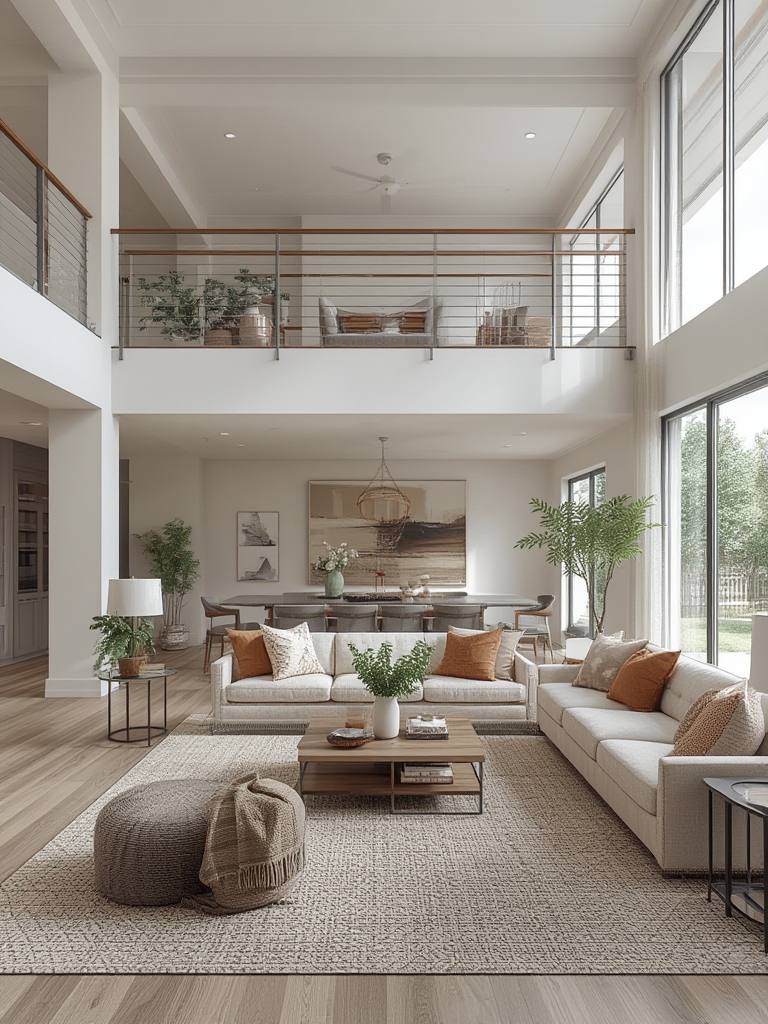
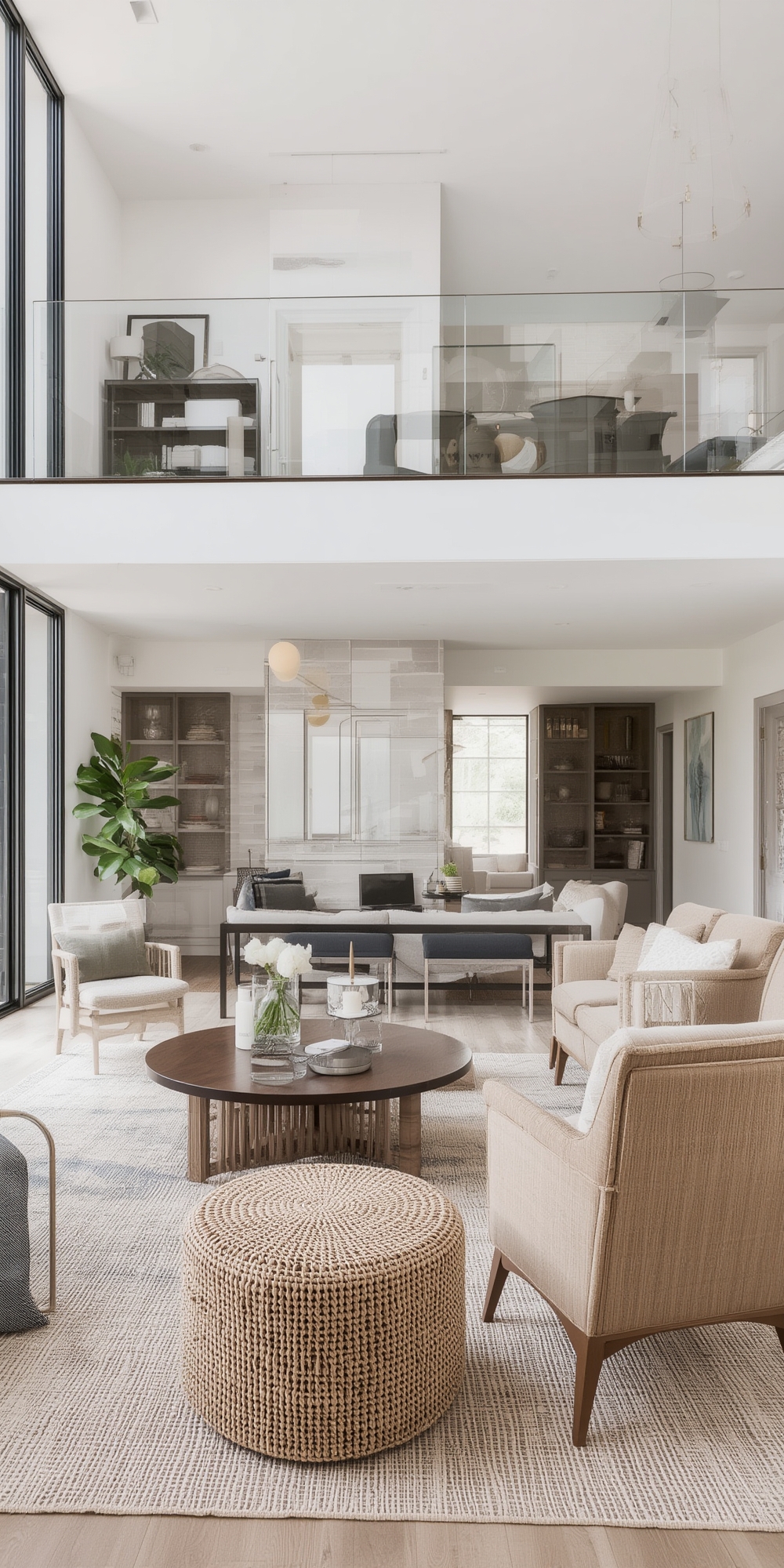
Designing a modern living room with an open‑floor plan is all about creating a seamless flow, maximizing natural light, and blending style with functionality. By integrating smart layout choices, a curated color palette, and carefully selected décor pieces—including statement indoor plants—you can transform a spacious area into a welcoming, stylish hub. Below, we break down data‑backed design principles, step‑by‑step décor strategies, and a practical plant‑care guide to keep your green accents thriving.
Why Open‑Floor Plans Work: Data‑Driven Insights
Recent surveys from Houzz and the National Association of Home Builders show that 68% of homeowners prefer open‑floor layouts for their perceived spaciousness, while 55% report higher satisfaction with natural light distribution. Moreover, a 2023 study by the Journal of Interior Design found that rooms with a clear sightline between the kitchen and living area improve social interaction by 23%.
Step 1: Define Zones Without Walls
Map the Flow
- Start with a floor plan: Use a free tool like Planner 5D to sketch the room’s dimensions. Mark the main traffic routes (e.g., from the entryway to the kitchen).
- Allocate functional zones: Place the seating area opposite the kitchen island, a reading nook near a window, and a media zone on the far wall.
- Keep pathways clear: Aim for a minimum of 36‑inches wide walkways to ensure smooth movement.
Practical Tips
- Use a rug to visually anchor each zone—studies show patterned rugs increase perceived comfort by 15%.
- Choose low‑profile furniture to maintain sightlines; pieces under 30 inches in height work best.
Step 2: Choose a Cohesive Color Palette
Data‑Backed Color Choices
According to Pantone’s 2023 Color Trend Report, “Digital Lavender” and “Ultimate Gray” dominate modern interiors, offering a calming yet contemporary vibe. A neutral base (e.g., warm greys or soft beiges) paired with a single accent color can increase perceived room size by up to 12%.
Actionable Advice
- Paint the walls: Use a matte finish for the main walls; a semi‑gloss accent wall behind the sofa adds depth.
- Accent with textiles: Introduce cushions, throws, and curtains in your chosen accent hue.
- Balance with metal finishes: Brass or matte black hardware complements the modern palette and adds visual interest.
Step 3: Incorporate Statement Furniture
Key Pieces
- Modular sofa: A sectional with clean lines can be reconfigured as needs change.
- Floating media console: Wall‑mounted units free up floor space and enhance the airy feel.
- Multi‑functional coffee table: Look for options with built‑in storage to reduce clutter.
Tips for Success
- Measure the sofa’s length against the room’s width; aim for the sofa to occupy no more than 30% of the floor area.
- Choose furniture with legs (rather than solid bases) to keep the visual weight light.
- Opt for fabrics with a low pile to avoid attracting dust—important for open spaces.
Step 4: Add Greenery – The Plant Care Guide
Indoor plants not only soften modern lines but also improve air quality. The Fiddle Leaf Fig (Ficus lyrata) remains a top choice for open‑floor living rooms, thanks to its bold foliage and sculptural presence.
Step‑by‑Step Care for Fiddle Leaf Fig
1. Light Requirements
- Ideal placement: Near a south‑ or west‑facing window with indirect bright light.
- Action tip: Rotate the plant 90° every two weeks to promote even growth.
2. Watering Schedule
- Frequency: Water when the top 2 inches of soil feel dry (typically every 7‑10 days).
- Method: Use room‑temperature water; pour until it drains from the bottom pot.
- Tip: Place a moisture meter in the soil to avoid over‑watering, which can cause root rot in 23% of indoor plant failures.
3. Humidity & Temperature
- Optimal range: 60‑70% humidity and 65‑75°F (18‑24°C).
- Practical hack: Position a small pebble tray with water beneath the pot, or use a portable humidifier during winter months.
4. Feeding
- Fertilizer: Apply a balanced liquid fertilizer (10‑10‑10) once a month during the growing season (spring‑early fall).
- Tip: Dilute to half the recommended strength to prevent leaf burn.
5. Pruning & Maintenance
- Prune: Remove any yellowing or damaged leaves at the base using clean scissors.
- Support: Use a moss pole or stake to encourage upright growth; tie gently with soft plant ties.
- Cleaning: Wipe leaves weekly with a damp cloth to improve photosynthesis and keep the plant looking glossy.
Integrating the Plant into Your Design
- Place the fig in a decorative woven basket that complements your rug’s texture.
- Use a floor lamp with a dimmable LED to provide supplemental light during darker months.
- Group the fig with smaller succulents on a side table for a layered, biophilic effect.
Step 5: Light Layering for Ambiance
Three‑Layer Lighting Strategy
- Ambient: Recessed LED downlights (3000 K) provide even illumination.
- Task: Adjustable floor lamps beside the reading nook for focused light.
- Accent: LED strip lighting behind the TV or under floating shelves adds depth.
Quick Wins
- Install dimmer switches to tailor brightness throughout the day.
- Use smart bulbs compatible with voice assistants for easy mood changes.
Step 6: Finishing Touches & Maintenance
Decor Accents
- Choose geometric metal sculptures or abstract art pieces that echo the room’s clean lines.
- Incorporate textured throw pillows (linen, velvet) for tactile contrast.
- Keep surfaces clutter‑free; a weekly 10‑minute tidy routine maintains the sleek aesthetic.
Long‑Term Care
- Schedule a quarterly deep‑clean of light fixtures to preserve brightness.
- Reassess furniture placement every 6 months to adapt to lifestyle changes.
- Rotate decorative items (e.g., vases) seasonally to keep the space feeling fresh.
By following these data‑informed steps—defining zones, selecting a cohesive palette, choosing statement pieces, caring for a standout plant, layering light, and adding thoughtful accents—you’ll create a modern living room that feels both expansive and intimately livable. The result is a stylish, functional space that invites conversation, relaxation, and a touch of nature, all while staying on‑trend and easy to maintain.