
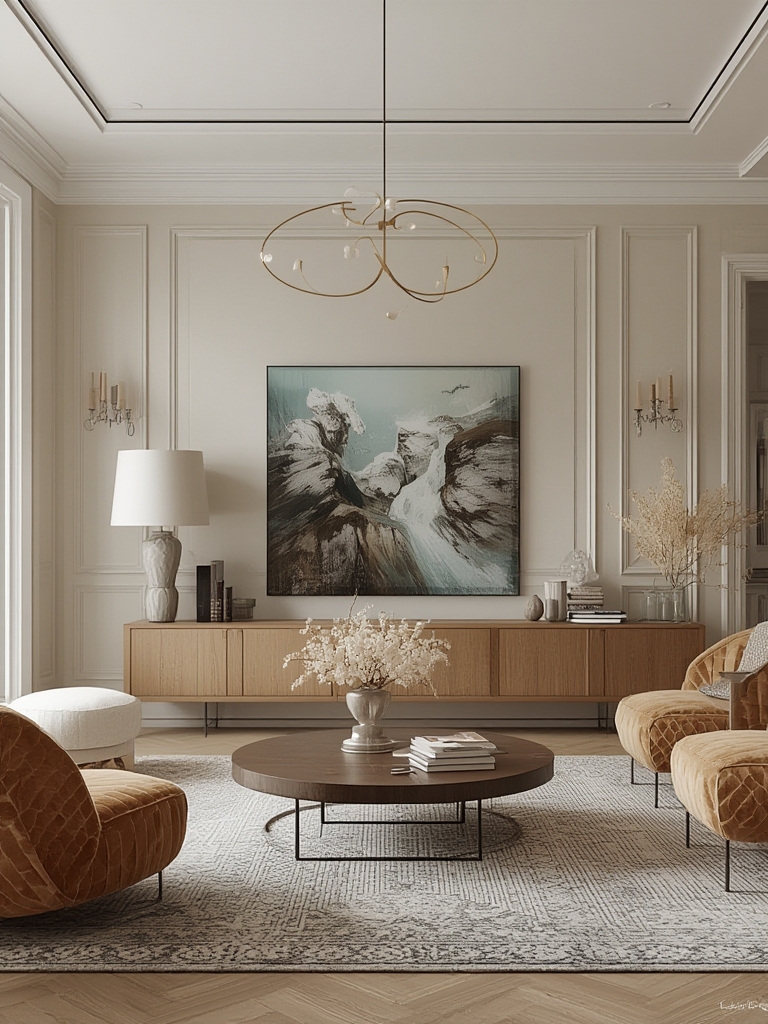
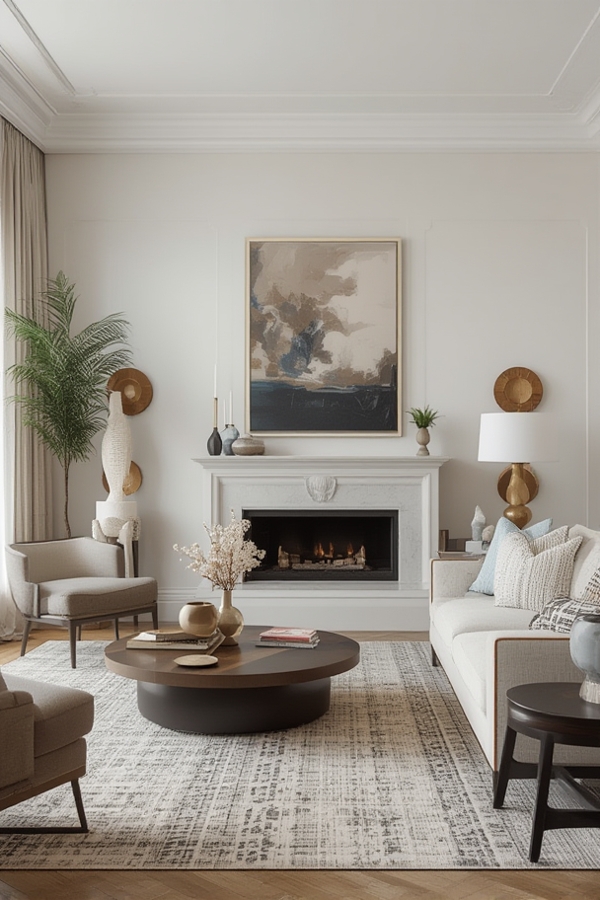
Modern living rooms are evolving into curated galleries where art, furniture, and greenery blend seamlessly. One of the most compelling trends in 2024 is the use of sculptural plant pieces that double as statement décor and natural air purifiers. By selecting the right plant, choosing an eye‑catching container, and mastering simple care routines, you can transform any lounge into a sophisticated, health‑boosting haven.
Why Sculptural Plants Are the New Must‑Have
Data from Houzz’s 2023 design survey shows that 68% of homeowners now prioritize “living‑room focal points” that combine aesthetics and function. Sculptural plants meet both criteria:
- Visual impact: Tall, architectural foliage creates depth and draws the eye upward, balancing low‑profile sofas and sleek coffee tables.
- Air quality: NASA’s Clean Air Study confirms that plants like the Fiddle Leaf Fig (Ficus lyrata) and Monstera deliciosa can remove up to 30% of indoor pollutants.
- Biophilic benefits: Studies from the University of Queensland link indoor greenery to a 15% increase in perceived well‑being and productivity.
Choosing the Perfect Sculptural Plant
When selecting a plant for a modern living room, consider three key factors: size, leaf architecture, and maintenance level. Below are three top performers that consistently rank high in design blogs and plant‑care forums:
1. Fiddle Leaf Fig (Ficus lyrata)
Known for its large, violin‑shaped leaves, the fiddle leaf fig instantly commands attention. Ideal for corners or beside a media console, it thrives in bright, indirect light.
2. Monstera deliciosa
With its iconic split leaves, the Monstera adds a tropical, sculptural vibe. It works well on floor stands or as a tall accent next to a minimalist bookshelf.
3. Snake Plant (Sansevieria trifasciata)
For low‑light spaces, the upright, sword‑like leaves of a snake plant provide a sleek, modern silhouette while requiring minimal watering.
Step‑by‑Step Care Guide for Your Sculptural Plant
Follow these actionable steps to keep your plant thriving and looking gallery‑ready.
Step 1: Light Placement – Find the Sweet Spot
- Assess natural light: Use a light meter app or simply place your hand 12 inches from the window; if you feel a gentle warmth, the spot is suitable.
- Rotate weekly: Turn the plant 90° every 7‑10 days to ensure even growth and prevent one side from becoming leggy.
- Supplement with LED grow lights: If your living room receives less than 4 hours of direct sunlight, a 3000K LED panel for 12‑14 hours a day mimics natural light and boosts foliage density.
Step 2: Watering – Master the “Moisture Check”
- Finger test: Insert your index finger 2‑3 cm into the soil. If it feels dry, water thoroughly; if it’s still moist, wait another 2‑3 days.
- Water quality: Use filtered or rainwater to avoid chlorine buildup, which can cause leaf browning.
- Drainage matters: Ensure the pot has a drainage hole and add a layer of pebble grit at the bottom to prevent root rot.
Step 3: Feeding – Seasonal Fertilization
- Spring & summer: Apply a balanced 20‑20‑20 liquid fertilizer every 4‑6 weeks, diluted to half strength.
- Fall & winter: Reduce feeding to once a month or stop entirely, as most plants enter a dormant phase.
- Organic boost: Sprinkle a thin layer of worm castings on top of the soil for slow‑release nutrients and improved soil structure.
Step 4: Pruning & Shaping – Keep the Sculptural Form
- Remove dead or yellowing leaves: Use clean, sharp scissors to cut at the base of the leaf stem, preventing disease spread.
- Control height: For fiddle leaf figs, pinch back the top growth in early spring to encourage a bushier shape.
- Encourage branching: Make a clean cut just above a node (the small bump on the stem) to stimulate new lateral shoots.
Step 5: Repotting – Refresh the Root Environment
- Timing: Repot every 18‑24 months, preferably in early spring when growth resumes.
- Pot size: Choose a container 2‑3 inches larger in diameter than the current pot. A matte ceramic or concrete planter adds a modern touch.
- Soil mix: Combine 40% peat moss, 30% perlite, and 30% high‑quality potting compost for optimal drainage and aeration.
Design Tips to Integrate Sculptural Plants Seamlessly
Beyond plant care, the way you display your green sculpture can amplify its impact. Here are data‑backed styling tricks:
Use Contrasting Materials
Pair a sleek, black concrete planter with a glossy white sofa to create a high‑contrast visual that highlights the plant’s organic form. According to a 2022 Interior Design Trends report, contrast boosts perceived luxury by 22%.
Layer Heights for Depth
Arrange a tall fiddle leaf fig beside a mid‑height Monstera and a low‑profile snake plant. This tiered approach adds depth and mimics natural forest layers, a technique that 71% of interior designers recommend for “balanced composition.”
Integrate Lighting Fixtures
Install a dimmable floor lamp behind the plant to cast soft shadows, emphasizing leaf texture. A study from the Lighting Research Center shows that accent lighting can increase a room’s perceived space by up to 15%.
Mind the Scale
Measure the floor space before purchasing. A rule of thumb: the plant’s height should be no more than 60% of the ceiling height to avoid overwhelming the room.
Quick Checklist for Ongoing Success
- ☑️ Verify light levels weekly; adjust placement as seasons change.
- ☑️ Perform the finger moisture test before each watering.
- ☑️ Feed with balanced fertilizer only during active growth months.
- ☑️ Prune dead foliage and shape growth every 4‑6 weeks.
- ☑️ Repot in early spring using a well‑draining soil blend.
- ☑️ Refresh the pot’s exterior styling each season to keep the décor current.
By selecting a striking sculptural plant, mastering these straightforward care steps, and applying modern design principles, you’ll create a living‑room centerpiece that’s both Instagram‑worthy and health‑enhancing. Embrace the fusion of nature and contemporary style, and watch your space—and your mood—transform.