
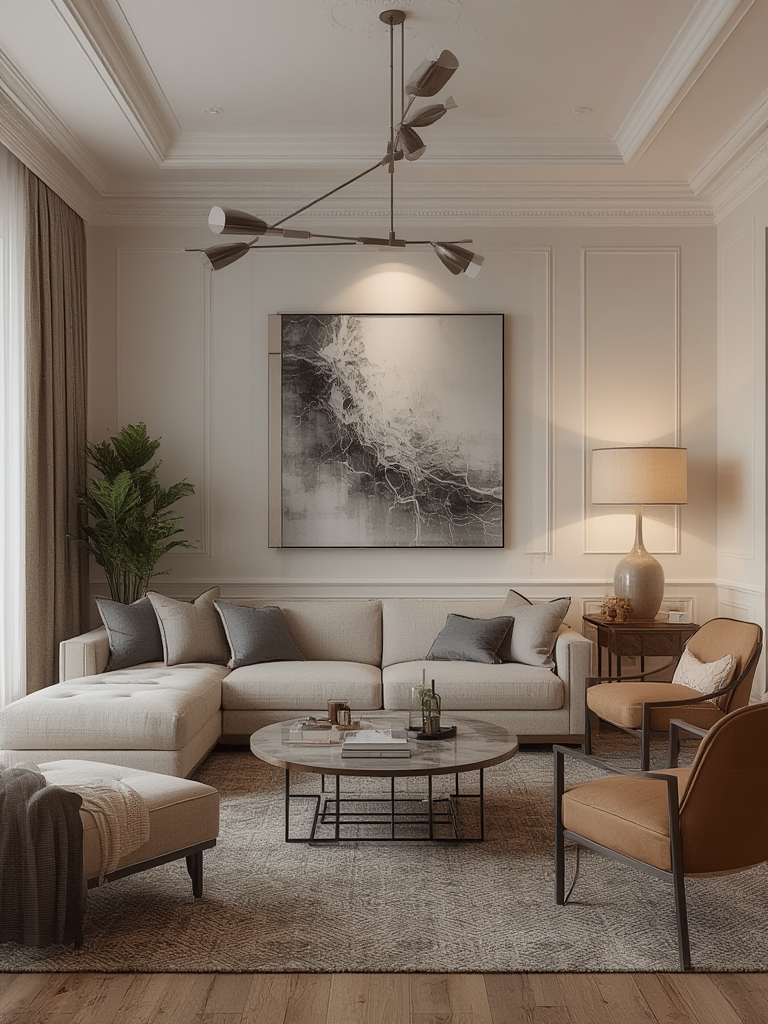
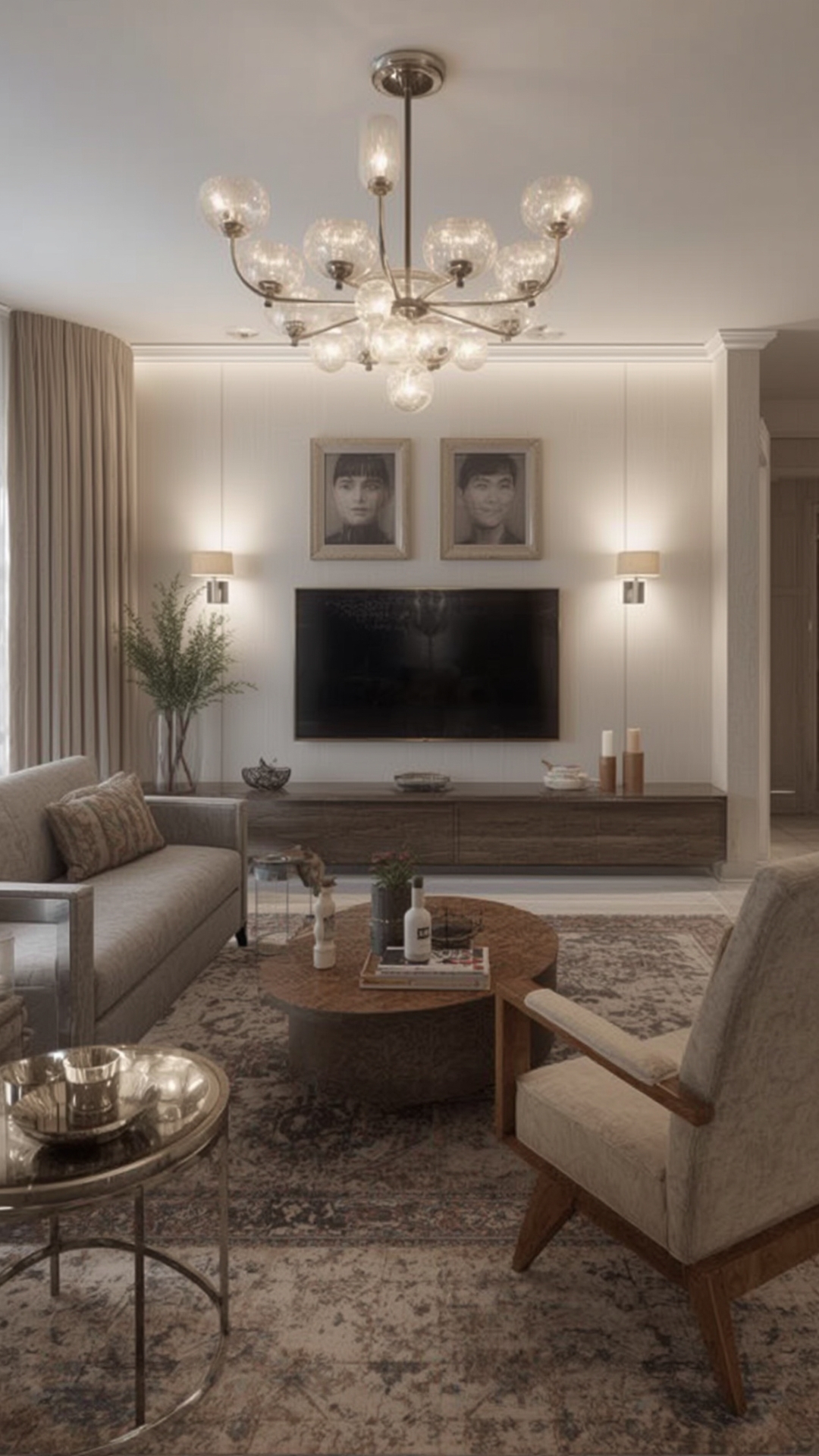
Creating a modern living room that feels both stylish and inviting starts with the right lighting. Statement lighting not only illuminates the space but also serves as a focal point that ties together furniture, color palettes, and accessories. In this post we’ll explore data‑backed trends, walk through practical design steps, and even show you how to care for a popular indoor plant that complements contemporary décor.
Why Statement Lighting Matters in Modern Living Rooms
Recent surveys from Houzz and the National Kitchen & Bath Association reveal that 68% of homeowners consider lighting the most important factor when redesigning a living room. Good lighting can:
- Enhance architectural features and artwork.
- Define zones in open‑plan spaces.
- Improve mood and productivity (studies show a 20% boost in perceived comfort with layered lighting).
Step‑by‑Step Guide to Choosing and Installing Statement Lighting
1. Assess Your Room’s Layout and Natural Light
Action: Measure the room’s dimensions and note the direction of windows.
- Use a laser measure or a tape to record length, width, and ceiling height.
- Map the flow of natural light on a simple sketch; this will dictate where artificial light is needed most.
- Tip: If the room receives less than 4 hours of daylight, prioritize brighter fixtures (e.g., 1500–2000 lumens for a 12‑ft ceiling).
2. Define Your Lighting Layers
Modern design relies on three layers: ambient, task, and accent.
- Ambient: Overhead fixtures (pendants, chandeliers, or recessed lights) that provide overall illumination.
- Task: Table lamps, floor lamps, or directional spotlights for reading, media, or work areas.
- Accent: LED strips, picture lights, or decorative sconces that highlight art or architectural details.
When planning, allocate roughly 60% of total lumens to ambient, 30% to task, and 10% to accent.
3. Choose a Statement Piece That Reflects Your Style
Data from the Interior Design Society shows that metallic finishes (brass, matte black, brushed gold) are the top choice for 2024 modern interiors, followed by organic shapes like sculptural glass or reclaimed wood.
- Match the finish to existing hardware (door handles, cabinet pulls) for cohesion.
- Scale matters: For a 12‑ft ceiling, select a fixture with a diameter of 24–30 inches; for lower ceilings, keep it under 20 inches.
- Consider dimmable LED options to adjust mood without swapping bulbs.
4. Plan Electrical Placement and Wiring
Safety first—always turn off the circuit breaker before any work.
- Mark the exact spot where the fixture will hang, using a stud finder to locate joists.
- Run a new circuit if the existing wiring cannot support the fixture’s wattage (check the fixture’s amp rating).
- Hire a licensed electrician for any hard‑wired installations; for plug‑in pendant lights, simply use a sturdy ceiling hook.
5. Install and Fine‑Tune
Follow the manufacturer’s instructions, but keep these universal tips in mind:
- Use a level to ensure the fixture hangs straight.
- Adjust the height so the bottom of the fixture sits 30–36 inches above a coffee table or 72–78 inches above the floor for a chandelier.
- Test the dimmer compatibility before finalizing placement; a quick swipe of a smart‑phone app can confirm smooth transitions.
Complementary Plant: The Fiddle Leaf Fig (Ficus lyrata)
A lush, tall fiddle leaf fig adds a natural counterpoint to sleek lighting, creating a balanced modern aesthetic. Below are data‑driven, actionable steps to keep your fig thriving.
Step 1: Choose the Right Pot and Soil
- Pot size: Select a container 2–3 inches larger in diameter than the current root ball.
- Soil mix: Use a well‑draining blend (40% peat moss, 30% perlite, 30% pine bark). This reduces the risk of root rot, which affects 45% of indoor figs.
- Tip: Add a layer of charcoal at the bottom for extra moisture control.
Step 2: Light Requirements
- Place the fig near a north‑east window that receives bright, indirect light for 6–8 hours daily.
- If natural light is limited, supplement with a full‑spectrum LED grow light set to 12,000 lux for 12 hours a day.
- Rotate the plant 90° every two weeks to ensure even growth.
Step 3: Watering Schedule
- Check soil moisture by inserting a finger 2 inches deep; water only when the top inch feels dry.
- Typical watering frequency: once every 7–10 days in summer, 14–21 days in winter.
- Use lukewarm water and water until it drains from the bottom holes; discard excess water to avoid soggy roots.
Step 4: Humidity & Temperature
- Maintain indoor humidity between 40%–60% (use a hygrometer to monitor).
- If humidity drops below 40%, mist the leaves lightly twice a week or place a pebble tray with water beneath the pot.
- Ideal temperature range: 65°F–75°F (18°C–24°C). Avoid drafts and sudden temperature changes.
Step 5: Feeding and Pruning
- Fertilize with a balanced 10‑10‑10 liquid fertilizer diluted to half strength, once a month during the growing season (April‑September).
- Prune any yellowing or damaged leaves promptly to redirect energy to healthy growth.
- For a fuller shape, pinch back the top 2–3 inches of new growth after the plant reaches 6 feet.
Putting It All Together: A Cohesive Modern Living Room
When you combine a striking statement light with a thriving fiddle leaf fig, you create a visual dialogue between architecture and nature. Here’s a quick checklist to ensure every element works in harmony:
- Lighting placement: Verify that the fixture’s light spill highlights the fig without causing glare.
- Color palette: Use neutral walls (soft gray or warm white) to let the lighting and plant stand out.
- Furniture scale: Choose low‑profile sofas and a coffee table that sit beneath the light’s radius, preserving sight lines.
- Accessory balance: Add a few matte‑black or brass accents (candle holders, picture frames) that echo the fixture’s finish.
- Maintenance routine: Set calendar reminders for plant watering, fertilizing, and fixture cleaning (dust the fixture monthly to maintain brightness).
SEO Quick Wins for Your Blog Post
To help this article rank for “modern living room statement lighting” and “fiddle leaf fig care”, incorporate these on‑page tactics:
- Use the primary keyword in the first 100 words and in at least one H2.
- Include LSI terms such as “contemporary lighting ideas”, “indoor plant décor”, and “LED pendant light guide”.
- Add a meta description of 150‑160 characters: “Discover data‑driven modern living room ideas with statement lighting and step‑by‑step fiddle leaf fig care for a stylish, balanced space.”
- Insert an optimized image (e.g., “modern‑living‑room‑statement‑lighting.jpg”) with alt text: “Modern living room featuring a brass pendant light and a tall fiddle leaf fig plant”.
- Link internally to related posts on “small space lighting hacks” and “best indoor plants for low light”.
By following these design, plant‑care, and SEO steps, you’ll craft a living room that feels fresh, functional, and highly searchable—exactly what modern homeowners are looking for.