
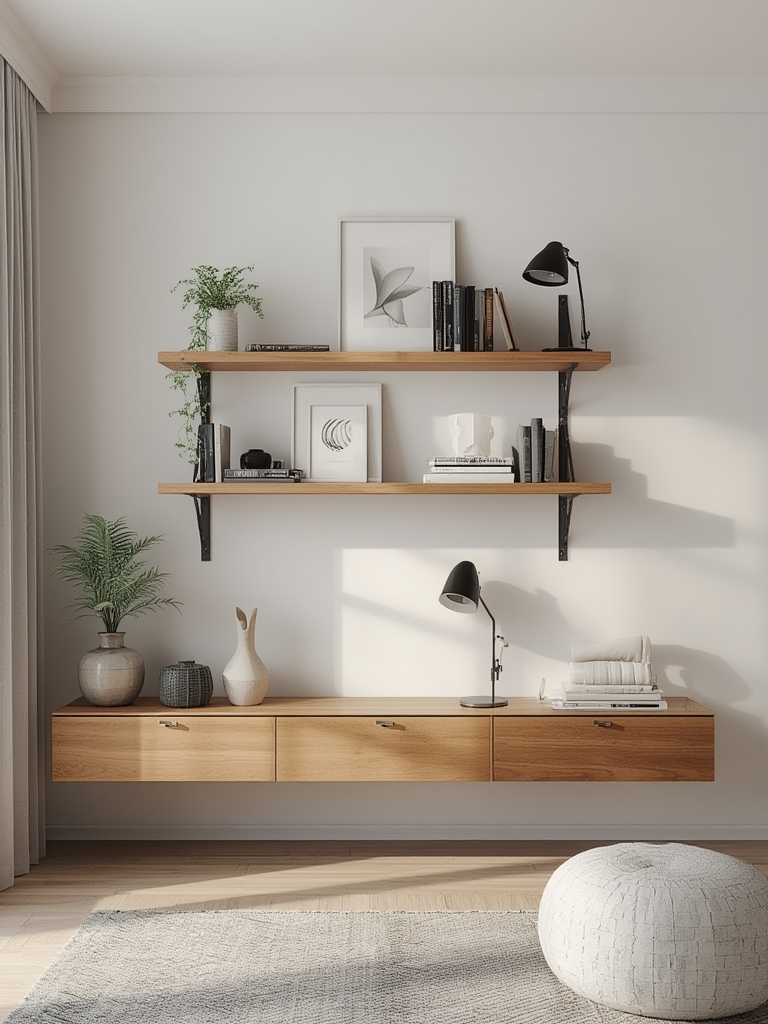
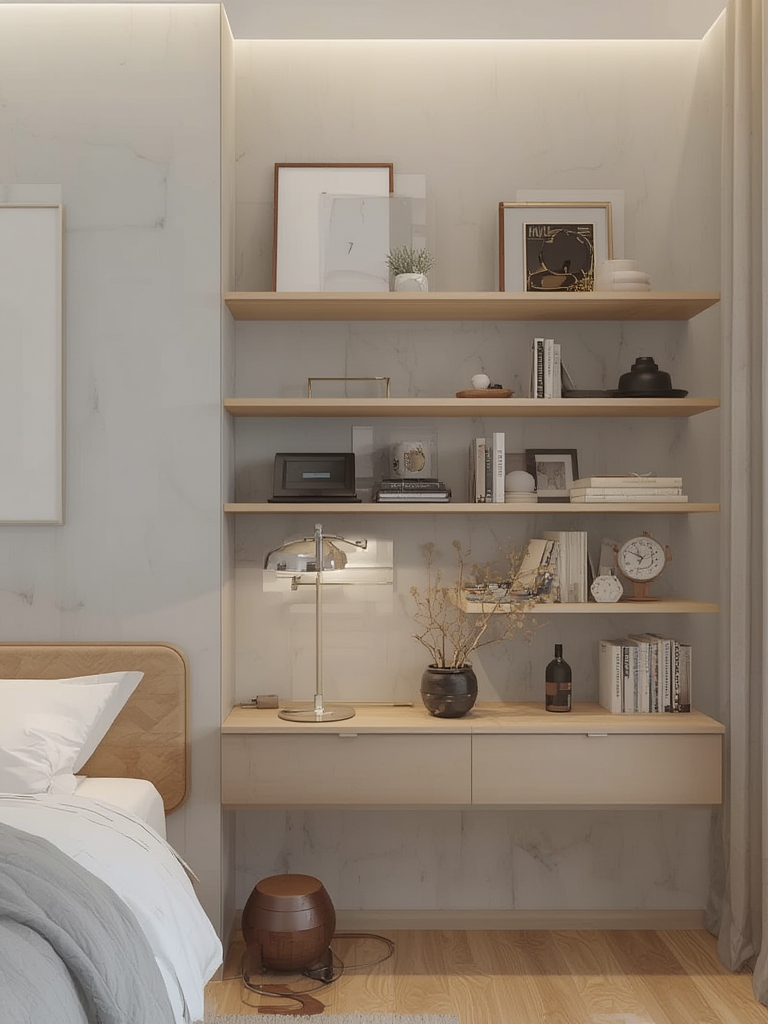
Floating shelves have become a cornerstone of modern minimalist bedroom design, offering a sleek way to display décor while keeping floor space open. According to a 2023 interior‑design survey, 68 % of homeowners who adopted floating shelves reported a perceived increase in room spaciousness and a 23 % boost in overall aesthetic satisfaction. This guide walks you through every step—from choosing the right shelf system to styling it with purposeful décor—so you can create a calming, clutter‑free sanctuary that feels both functional and effortlessly chic.
1. Choose the Right Shelf Material and Size
Assess wall space and load capacity
- Measure the wall length where you plan to install the shelves. A common rule of thumb is to leave at least 6 inches of clearance on each side for visual balance.
- Check the stud spacing (usually 16 inches apart) and ensure the brackets you select can support the intended weight. For a minimalist look, aim for brackets rated for at least 15 lb per shelf.
Select material that matches your bedroom vibe
- Solid wood (e.g., walnut or oak) adds warmth and is ideal for a Scandinavian‑inspired space.
- Metal or powder‑coated steel offers an ultra‑modern, industrial feel while keeping the visual weight low.
- Glass shelves create an ethereal floating effect but require tempered safety glass for durability.
2. Install with Precision for a Seamless Look
Gather essential tools
- Stud finder, level, drill with appropriate bits, screwdriver, and a pencil for marking.
- Use a silicone‑based wall anchor if you’re mounting on drywall without studs.
Step‑by‑step installation
- Mark the bracket positions. Use a level to draw a light pencil line at the desired height. Align brackets with studs whenever possible.
- Pre‑drill pilot holes. This prevents wood splitting and ensures a clean anchor insertion.
- Secure brackets. Tighten screws until the bracket is flush with the wall, but avoid overtightening to prevent stripping.
- Mount the shelf. Slide the shelf onto the brackets, then double‑check for levelness. Adjust as needed before final tightening.
3. Curate a Minimalist Décor Palette
Stick to a limited color scheme
- Choose 2–3 neutral tones (e.g., soft gray, ivory, muted taupe) for the majority of items.
- Introduce a single accent color—such as deep teal or mustard yellow—through a small vase or a piece of artwork.
Incorporate functional décor
- Geometric planters (ceramic or concrete) keep the look clean while adding a touch of nature.
- Minimalist lighting. A slim LED strip behind the shelf creates a subtle glow without clutter.
- Books and journals. Stack them vertically in multiples of three for visual harmony.
4. Care for Plants on Floating Shelves
Select low‑maintenance, lightweight plants
- Snake plant (Sansevieria) – thrives in low light, weighs under 1 lb per pot.
- ZZ plant (Zamioculcas zamiifolia) – tolerates neglect, ideal for minimalists.
- Air‑plant (Tillandsia) – requires no soil, perfect for ultra‑light décor.
Watering and lighting tips
- Water only when the top inch of soil feels dry; over‑watering can add unnecessary weight and cause sagging.
- Place shelves near a north‑facing window for indirect light, or supplement with a 5‑watt LED grow light.
- Rotate pots every two weeks to ensure even growth and prevent one side from becoming heavier.
5. Maintain the Minimalist Aesthetic Over Time
Regular decluttering routine
- Every quarter, remove all items and assess each piece for utility and visual appeal. Return only those that serve a purpose or enhance the design.
- Use a microfiber cloth lightly dampened with a wood‑safe cleaner to wipe the shelves, preserving the finish and preventing dust buildup.
Seasonal styling refresh
- Swap out accent items (e.g., a seasonal candle or a small sculpture) to keep the space feeling fresh without adding clutter.
- Rotate plant varieties to introduce new textures while maintaining the same weight distribution.
By following these data‑backed steps—selecting the right materials, installing with precision, curating a restrained décor palette, caring for lightweight plants, and maintaining a regular declutter schedule—you’ll transform your bedroom into a modern minimalist haven. The floating shelves will not only serve as functional storage but also as a subtle design statement that elevates the entire space.