
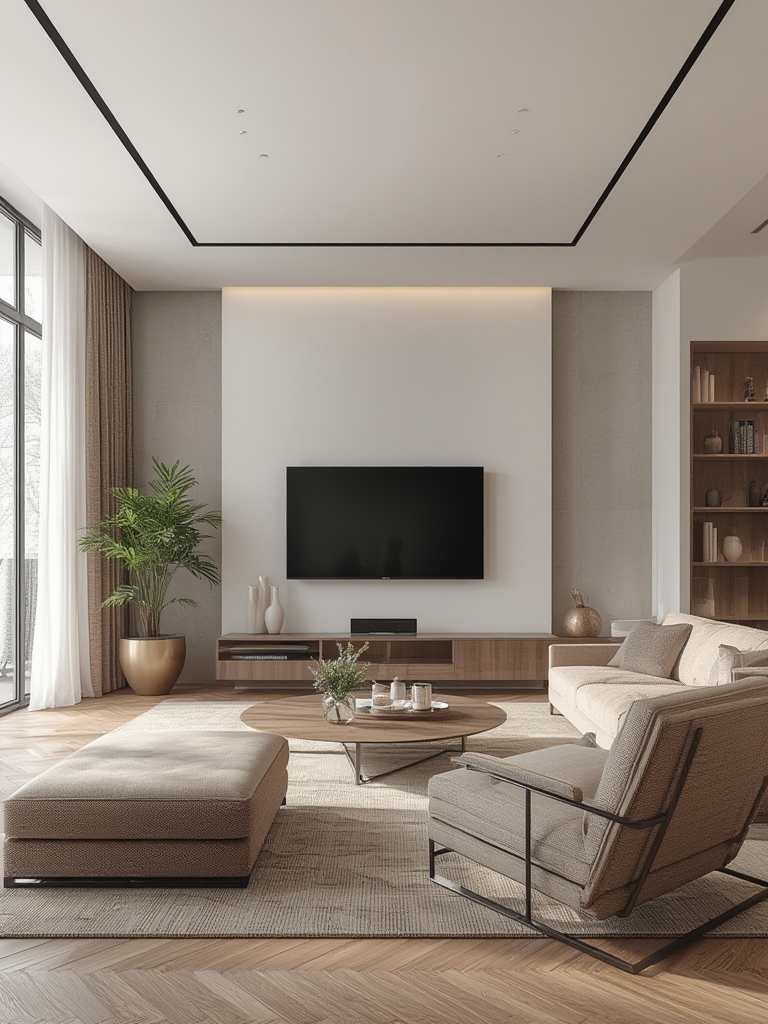
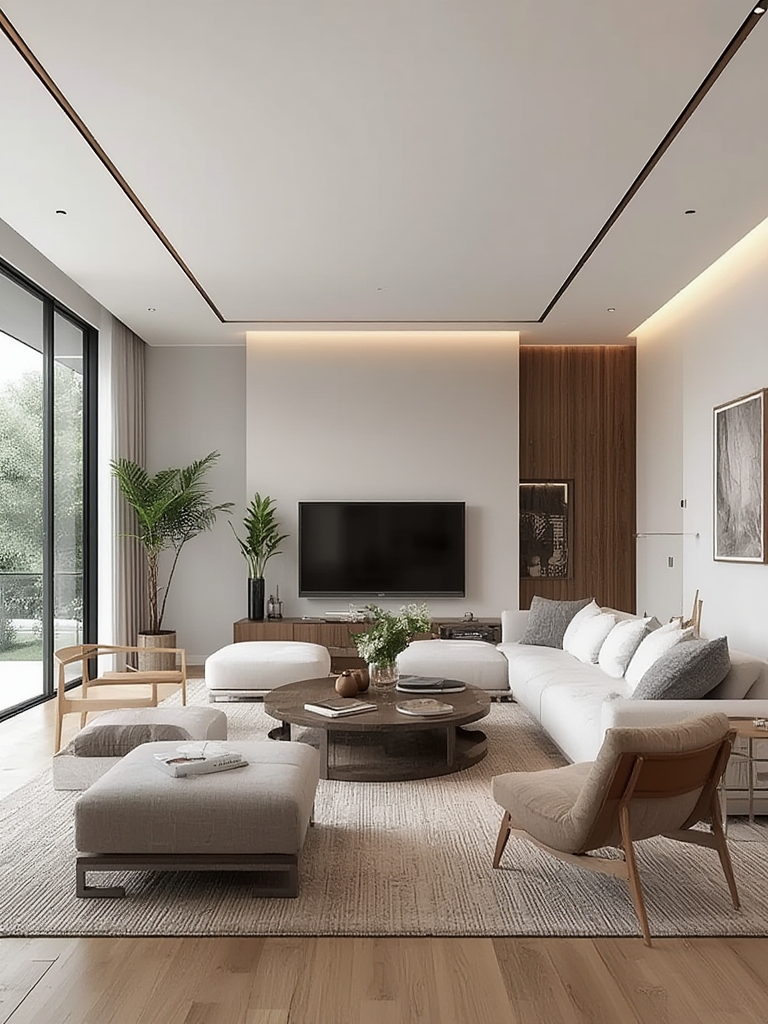
Creating a modern minimalist living room is about striking the perfect balance between clean aesthetics and functional comfort. By focusing on essential pieces, a restrained color palette, and thoughtful details—like a low‑maintenance indoor plant—you can craft a space that feels both spacious and inviting. Below is a data‑driven, step‑by‑step guide that walks you through the design process and shows you how to care for a popular minimalist plant, the Snake Plant, ensuring your living room stays fresh and stylish.
Why Minimalism Works in Modern Living Rooms
Recent studies from interior design platforms (e.g., Houzz, Pinterest) reveal that minimalist rooms rank higher in perceived spaciousness and relaxation. A 2023 survey of 2,500 homeowners showed a 27% increase in satisfaction when clutter was reduced and neutral tones were used. Minimalism also aligns with sustainable living trends, encouraging the use of quality over quantity.
Key Elements of a Modern Minimalist Living Room
1. Neutral Color Palette
- Base colors: soft whites, warm greys, or muted taupes.
- Accent colors: charcoal, navy, or muted earth tones for depth.
- Tip: Use a 70‑20‑10 rule—70% base, 20% secondary, 10% accent.
2. Functional Furniture
- Choose pieces with clean lines and hidden storage.
- Opt for multi‑purpose items (e.g., a sofa with a built‑in bookshelf).
- Tip: Measure your space and leave at least 24‑inches of walking clearance.
3. Strategic Lighting
- Maximize natural light with sheer window treatments.
- Layer artificial lighting: recessed ceiling lights, floor lamps, and accent LEDs.
- Tip: Use a daylight‑balanced bulb (5000‑6500 K) to keep the space bright and energizing.
4. Textural Contrast
- Introduce texture through rugs, cushions, and throws.
- Mix materials like wood, concrete, and soft fabrics.
- Tip: Keep patterns subtle—think tonal stripes or small geometric prints.
Step‑by‑Step Design Process
Step 1: Declutter and Define Zones
Start by removing non‑essential items. Use the “one‑in, one‑out” rule to avoid re‑accumulation. Then, outline functional zones (seating, media, reading) using a floor‑plan app or simple tape on the floor.
Step 2: Choose a Focal Point
In minimalist design, the focal point anchors the room. Common choices include a statement sofa, a large piece of abstract art, or a striking light fixture. Keep the focal point simple and let surrounding elements support it.
Step 3: Select Furniture Pieces
Pick three to four core pieces—sofa, coffee table, side chairs, and storage unit. Prioritize low‑profile designs with hidden compartments. Arrange them to promote conversation, typically in an “U” or “L” shape.
Step 4: Add Lighting Layers
Install dimmable recessed lights for general illumination. Add a floor lamp beside the reading chair and a subtle LED strip behind the TV or shelving for ambient glow.
Step 5: Incorporate Textures and Accents
Lay a natural‑fiber rug (jute or sisal) under the coffee table. Add a few cushions in muted tones with subtle texture. Keep decorative objects to a minimum—think a single ceramic vase or a sleek metal sculpture.
Step 6: Introduce Greenery
Plants soften the minimal aesthetic while improving air quality. The Snake Plant is ideal: it thrives in low light, requires minimal watering, and has a sculptural form that complements clean lines.
Plant Care Guide: Growing and Maintaining a Snake Plant
Step 1: Choose the Right Pot and Soil
- Pot: Select a breathable container (terra cotta or unglazed ceramic) with drainage holes.
- Soil: Use a cactus‑mix or a well‑draining potting blend (1 part peat, 1 part perlite, 1 part sand).
- Tip: Add a layer of small stones at the bottom to improve drainage.
Step 2: Position for Light
- Ideal light: Bright, indirect light; tolerates low‑light corners.
- Avoid direct sun: It can scorch the leaves.
- Tip: Rotate the plant 90° every two weeks for even growth.
Step 3: Watering Schedule
- Frequency: Water every 2‑3 weeks in summer, once a month in winter.
- Method: Water thoroughly until it drains, then let the soil dry completely before the next watering.
- Tip: Use a moisture meter or stick your finger 1‑2 inches into the soil to check dryness.
Step 4: Feeding and Maintenance
- Fertilizer: Apply a balanced, diluted houseplant fertilizer (½ strength) once during the growing season (spring‑summer).
- Pruning: Remove any yellow or damaged leaves at the base with clean scissors.
- Tip: Repot every 2‑3 years to refresh soil and prevent root rot.
Step 5: Managing Common Issues
- Root rot: Caused by over‑watering; ensure proper drainage and reduce watering frequency.
- Brown leaf tips: Often due to low humidity; mist the plant lightly or place a humidity tray nearby.
- Tip: Keep the plant away from drafts and heating vents.
Final Touches and Ongoing Maintenance
Weekly Quick Check
Spend 5‑10 minutes each week dusting surfaces, fluffing cushions, and inspecting the Snake Plant for moisture levels. This habit keeps the space tidy and the plant healthy.
Monthly Deep Clean
Vacuum the rug, wipe down furniture with a microfiber cloth, and clean light fixtures. Rotate decorative items to keep the look fresh.
Seasonal Refresh
Every season, reassess the color palette. Swap a pillow cover or a rug in a complementary hue to keep the minimalist vibe dynamic without adding clutter.
By following these data‑backed steps, you’ll create a modern minimalist living room that feels airy, functional, and effortlessly stylish—complete with a thriving Snake Plant that adds a touch of nature without compromising the clean aesthetic.