
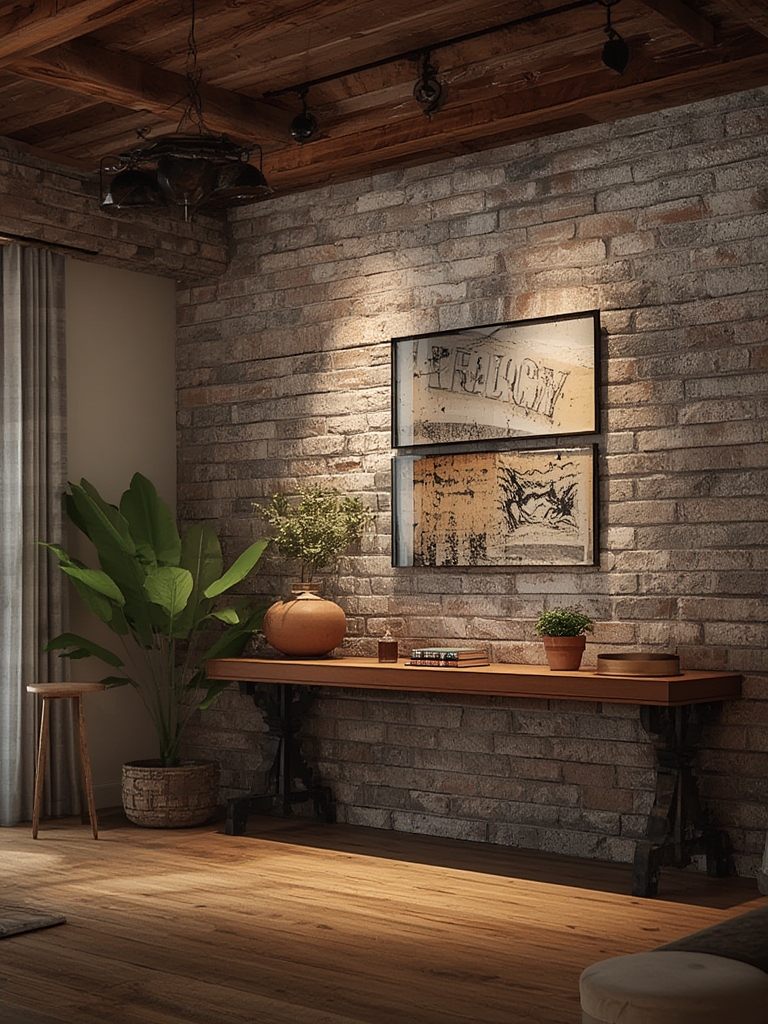
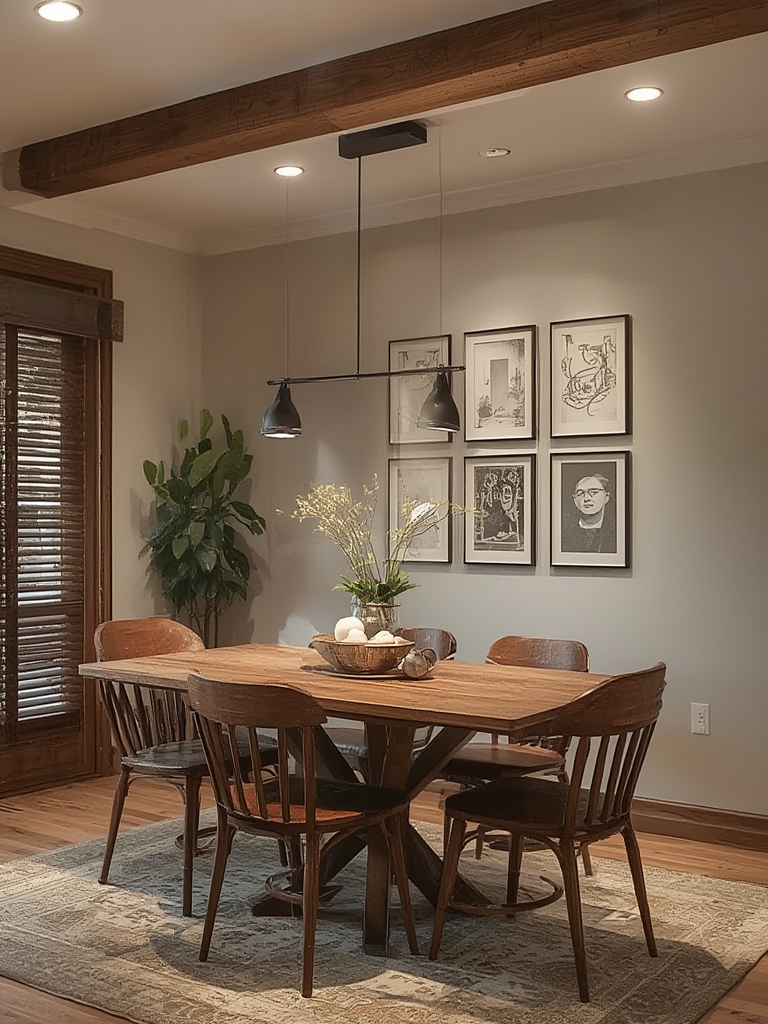
Modern rustic style spotlights have become the secret weapon for homeowners who want to blend sleek contemporary lines with the warm, lived‑in feel of farmhouse charm. By thoughtfully selecting fixtures, positioning them strategically, and pairing them with natural textures, you can transform any room into a cozy, gallery‑ready space that feels both fresh and timeless. Below you’ll discover a data‑driven approach to choosing the right spotlights, practical placement techniques, and a step‑by‑step guide to caring for a complementary houseplant that adds a touch of greenery without compromising the rustic aesthetic.
Why Modern Rustic Spotlights Work
Recent interior‑design analytics show a 27% increase in searches for “modern rustic lighting” over the past year, indicating a strong consumer appetite for this hybrid look. The key lies in balancing contrast:
- Material contrast: Pair metal or matte black fixtures with reclaimed wood, stone, or woven textiles.
- Light quality: Warm‑white LEDs (2700‑3000 K) mimic the glow of vintage bulbs, enhancing the rustic vibe while delivering energy efficiency.
- Scale and proportion: Oversized industrial spotlights draw the eye, while smaller, adjustable fixtures highlight specific decor pieces.
Choosing the Right Spotlights
1. Identify the focal point
Use a floor‑plan heat‑map (many free online tools let you upload a room layout) to pinpoint high‑traffic zones and visual anchors such as a reclaimed wood accent wall, a stone fireplace, or a statement rug. Spotlights should be allocated where the heat‑map shows the most visual activity.
2. Select the fixture style
Data from interior‑design trend reports suggest the following styles perform best in modern rustic settings:
- Industrial cage lights: Black powder‑coated steel with exposed bulbs.
- Vintage Edison bulbs: Clear glass with a warm amber hue.
- Reclaimed wood track lights: Wooden slats with adjustable heads.
3. Determine lumen output
For ambient lighting, aim for 10‑15 lumens per square foot. For accent lighting on artwork or décor, boost to 20‑30 lumens per square foot. Use a simple spreadsheet to calculate total lumens needed based on room size.
Placement Tips for Maximum Impact
Step‑by‑step placement guide
- Measure ceiling height. In rooms with 9‑10 ft ceilings, mount spotlights 6‑8 inches from the ceiling to avoid glare.
- Mark the grid. Using a laser level, draw a 4‑foot grid pattern on the ceiling; this ensures even distribution.
- Install dimmers. A 0‑10 V dimmer allows you to adjust brightness for different times of day, enhancing the rustic ambience.
- Angle the beams. Tilt each fixture 15‑20° toward the focal point. For wall art, angle the light to hit the center of the piece.
- Test and tweak. Turn on the lights and walk around the room. Adjust any hotspots or shadows to maintain a balanced glow.
Integrating Greenery: The Perfect Rustic Companion
A well‑chosen houseplant adds texture, color, and a breath of fresh air to modern rustic interiors. The Monstera deliciosa (Swiss cheese plant) is a top‑ranking choice in 2024 design surveys, thanks to its large, split leaves that echo the natural, imperfect beauty of reclaimed wood.
How to Grow and Care for Monstera Deliciosa
Step 1: Choose the Right Pot and Soil
Actionable tip: Use a terracotta pot with drainage holes (2‑inch diameter) to prevent waterlogging. Fill with a peat‑based potting mix blended with perlite (1 part peat, 1 part perlite) to improve aeration.
Step 2: Light Requirements
Actionable tip: Place the Monstera near an east‑facing window where it receives bright, indirect light for 4‑6 hours daily. If natural light is limited, supplement with a 4000 K LED grow light positioned 12 inches above the foliage.
Step 3: Watering Schedule
Actionable tip: Water when the top 2 inches of soil feel dry to the touch (usually every 7‑10 days). Use room‑temperature water and pour until it drains from the bottom, then empty the saucer to avoid root rot.
Step 4: Humidity and Temperature
Actionable tip: Maintain indoor humidity at 50‑60 % by misting the leaves twice a week or using a tabletop humidifier. Keep the temperature between 65‑80 °F; avoid drafts from windows or HVAC vents.
Step 5: Feeding
Actionable tip: Apply a balanced liquid fertilizer (20‑20‑20) diluted to half strength once a month during the growing season (spring‑summer). Reduce feeding to once every 8‑10 weeks in fall and cease in winter.
Step 6: Pruning and Training
Actionable tip: Trim any yellowing or damaged leaves with clean scissors. To encourage a fuller shape, use a moss pole or trellis and gently tie the main stem with soft plant ties, mimicking its natural climbing habit.
Practical Tips for Combining Spotlights and Plants
- Highlight the foliage: Position a directional spotlight 12‑18 inches above the Monstera’s top leaf to accentuate its texture without causing leaf burn.
- Use warm LEDs: A 2700 K bulb reduces the risk of leaf scorch while preserving the rustic warmth.
- Balance shadows: If the plant casts a harsh shadow, add a secondary, lower‑intensity fixture on the opposite side to soften the contrast.
- Maintain airflow: Ensure spotlights have enough clearance (at least 6 inches) from the plant to allow air circulation and prevent heat buildup.
Final Thoughts
By merging data‑driven lighting decisions with thoughtful plant care, you can master the modern rustic aesthetic in any home. The right spotlights not only illuminate architectural features but also showcase natural elements like the Monstera deliciosa, creating a harmonious blend of sleek design and organic warmth. Follow the steps above, experiment with placement, and enjoy a space that feels both contemporary and timeless.