
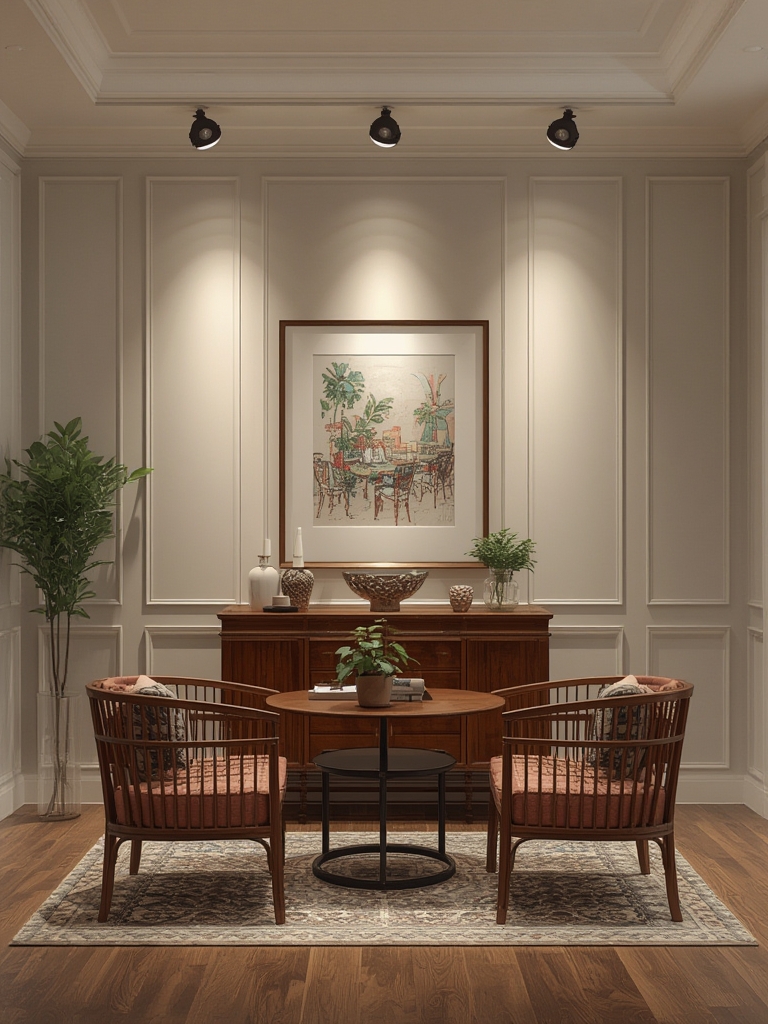
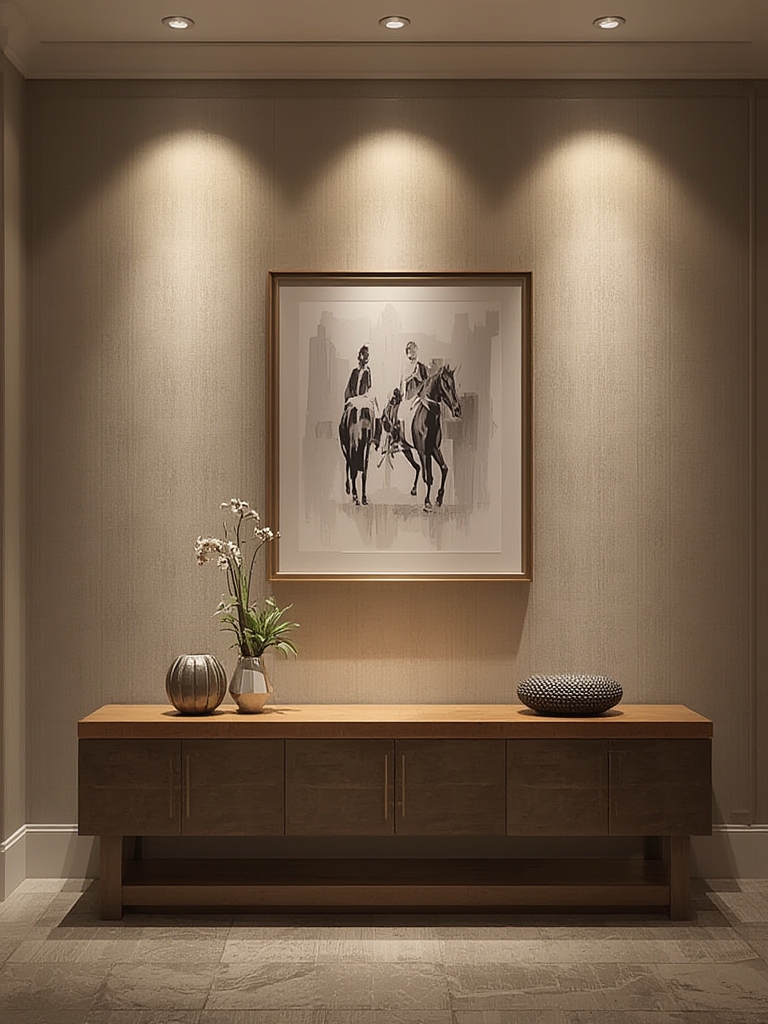
Modern traditional style spotlights have become the silent heroes of contemporary interiors, blending the timeless elegance of classic design with the sleek precision of modern lighting technology. When paired with the right greenery—such as the ever‑popular Monstera deliciosa—these spotlights not only highlight architectural details but also showcase the plant’s dramatic foliage, creating a focal point that feels both fresh and sophisticated. Below, you’ll discover why this lighting approach works, how to choose the perfect fixtures, and a step‑by‑step guide to growing and caring for your spotlight‑ready plant.
Why Modern Traditional Spotlights Matter in Home Décor
In the world of interior design, “modern traditional” is more than a buzzword; it’s a philosophy that respects heritage while embracing innovation. Spotlights embody this balance by offering:
- Precision illumination: Adjustable beams draw attention to crown molding, wainscoting, or a statement artwork without flooding the room.
- Energy efficiency: LED technology delivers bright, consistent light while consuming less power—a key selling point for eco‑conscious homeowners.
- Versatile aesthetics: From brushed brass to matte black, modern traditional fixtures complement both classic wood tones and contemporary minimalism.
Selecting the Right Spotlights for a Modern Traditional Look
1. Choose a Finish That Echoes Classic Details
Finishes like antique bronze, oil‑rubbed bronze, or polished nickel echo the hardware found in traditional homes. Pair these with clean, geometric shapes to keep the look fresh.
2. Opt for Adjustable, Directional Heads
Recessed or surface‑mounted spotlights with swivel heads let you fine‑tune the angle, ensuring the light highlights the intended feature—whether it’s a decorative ceiling medallion or a leafy plant.
3. Prioritize Color Temperature
Warm white (2700‑3000 K) enhances the cozy feel of traditional interiors, while a slightly cooler range (3500‑4000 K) can accentuate modern textures. Consider using a dimmable driver to shift between moods.
Integrating Plants: The Spotlight‑Ready Monstera
The Monstera deliciosa, with its iconic split leaves, thrives under bright, indirect light—making it an ideal companion for spotlights. When positioned correctly, the plant becomes a living sculpture that reflects the light’s intensity and direction, adding depth and vitality to any room.
Step‑by‑Step Guide to Growing and Caring for Your Monstera Under Spotlights
Step 1: Choose the Perfect Location
- Proximity to the spotlight: Place the Monstera 12‑18 inches from the light source to receive ample illumination without scorching the leaves.
- Background surface: A neutral wall (soft gray or off‑white) enhances the plant’s green tones and prevents color washout.
Step 2: Select the Right Pot and Soil
- Pot size: Choose a container that’s 2‑3 inches larger than the root ball to allow growth while maintaining stability.
- Soil mix: Use a well‑draining blend of peat moss, perlite, and orchid bark (2:1:1). This mimics the plant’s natural epiphytic environment and prevents waterlogging.
Step 3: Watering Technique
- Frequency: Water when the top 2 inches of soil feel dry—typically every 7‑10 days, depending on humidity.
- Method: Water thoroughly until it drains from the bottom holes, then empty the saucer to avoid root rot.
Step 4: Feeding for Lush Foliage
- Fertilizer type: Apply a balanced, water‑soluble fertilizer (20‑20‑20) diluted to half strength.
- Schedule: Feed once a month during the growing season (spring‑early fall); reduce to every 8‑10 weeks in winter.
Step 5: Pruning and Training
- Prune for shape: Trim any yellow or damaged leaves at the base to promote airflow.
- Support growth: Use a moss pole or trellis positioned near the spotlight to encourage upward climbing, which maximizes light exposure.
Step 6: Managing Humidity and Temperature
- Humidity: Aim for 50‑70% relative humidity. A tabletop humidifier or a pebble tray with water can help, especially in dry climates.
- Temperature: Keep the room between 65‑80 °F (18‑27 °C). Avoid drafts from windows or air‑conditioning vents that can stress the plant.
Practical Tips to Maximize Spotlight Impact
- Layer lighting: Combine spotlights with ambient fixtures (e.g., recessed downlights) to create depth and avoid harsh shadows.
- Use dimmers: Adjust brightness to highlight the Monstera’s leaf patterns during evenings or parties.
- Rotate the plant: Turn the pot 90° every month so all sides receive equal light, preventing lopsided growth.
- Clean the lenses: Dust buildup reduces lumen output; wipe fixtures with a soft, dry cloth quarterly.
SEO‑Friendly Recap: Boosting Your Blog’s Visibility
When publishing this post on WordPress, follow these SEO best practices to attract organic traffic:
- Keyword placement: Use primary keywords—“modern traditional spotlights,” “home décor lighting,” “Monstera care”—in the first 100 words, headings, and meta description.
- Internal linking: Connect to related articles such as “Top LED Fixtures for Classic Interiors” or “Indoor Plant Styling Tips.”
- Image optimization: Include high‑resolution photos of spotlights and Monstera leaves, naming files with descriptive alt text (e.g., “brushed‑bronze spotlight highlighting Monstera deliciosa”).
- Schema markup: Add “Article” and “How‑To” structured data to help search engines understand the step‑by‑step guide.
- Readability: Keep sentences under 20 words, use bullet points, and break content into digestible sections—exactly as shown above.
By thoughtfully pairing modern traditional spotlights with a thriving Monstera, you create a dynamic visual centerpiece that elevates any space. Follow the care steps, fine‑tune your lighting, and watch both design and plant flourish together.