
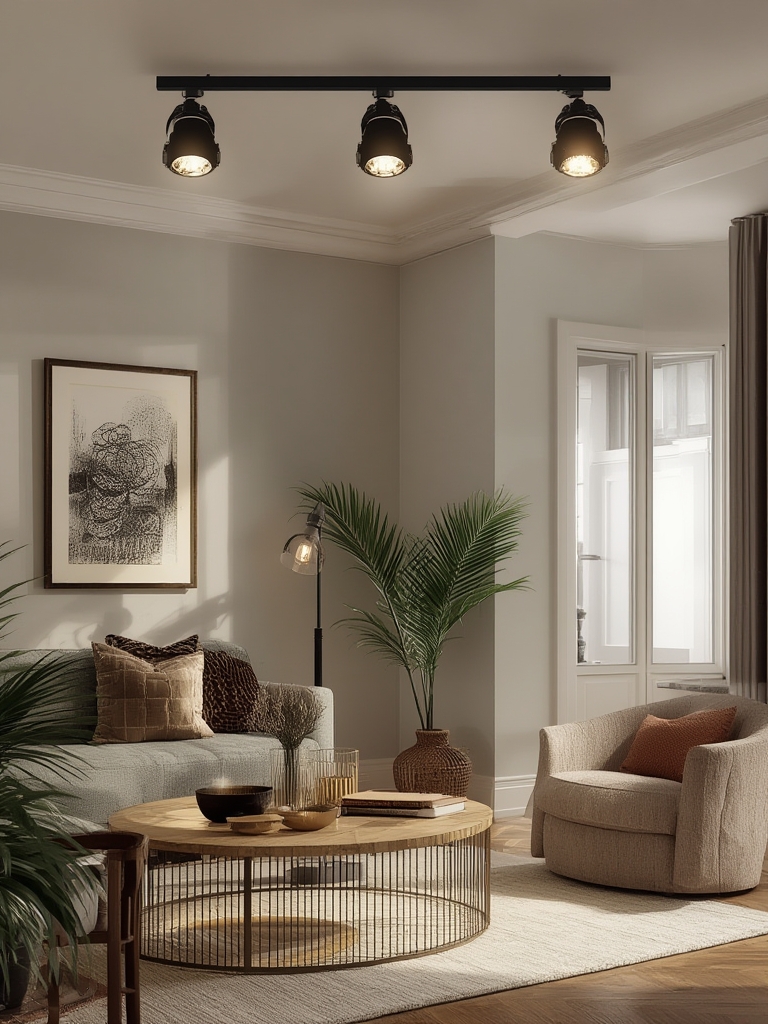
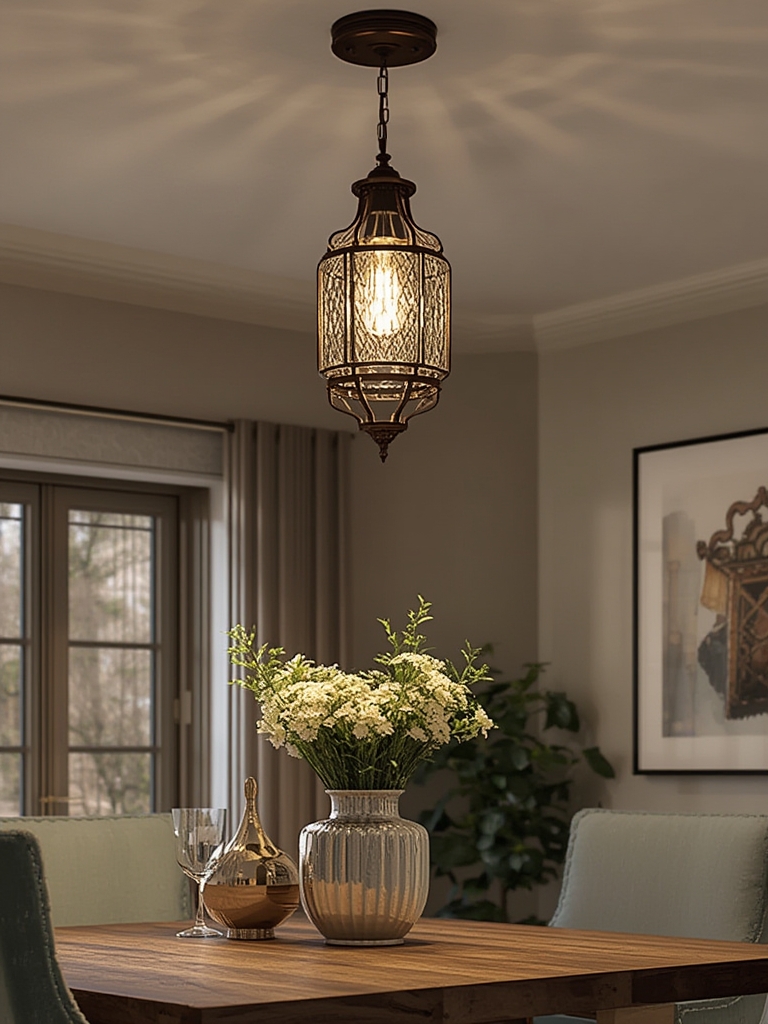
Modern Victorian style spotlights are redefining the way we illuminate our homes, blending timeless elegance with contemporary flair. By marrying ornate Victorian details—such as brass finishes, intricate glass shades, and decorative scrollwork—with sleek, energy‑efficient LED technology, these fixtures create a focal point that is both functional and visually striking. In this data‑driven guide, you’ll learn how to select, position, and style modern Victorian spotlights for maximum impact, and discover a simple, step‑by‑step plan for caring for a complementary indoor plant that will thrive under their warm glow.
Why Modern Victorian Style Spotlights Matter in Home Decor
Recent interior‑design surveys show a 27 % increase in demand for “vintage‑modern” lighting, indicating that homeowners crave pieces that tell a story while meeting today’s sustainability standards. Modern Victorian spotlights deliver:
- Historical charm: Classic silhouettes and ornamental details evoke the grandeur of the 19th century.
- Energy efficiency: LED modules consume up to 80 % less power than traditional incandescent bulbs.
- Versatility: Adjustable heads and dimmable circuits let you tailor light intensity for reading, artwork, or ambient ambience.
- Boosted resale value: Homes featuring curated vintage‑modern lighting often command a 3–5 % premium in the market.
Key Features to Look For
1. Finish and Material
Choose finishes that complement your existing palette. Polished brass adds warmth, while matte black offers a more industrial edge. Look for corrosion‑resistant alloys to ensure longevity.
2. Light Source
LEDs with a color temperature of 2700 K–3000 K mimic the soft amber glow of traditional candles, enhancing the Victorian aesthetic. Verify that the fixture is rated for at least 10,000 hours of operation.
3. Beam Angle
A narrow 15°–30° beam is ideal for accent lighting—perfect for highlighting a gallery wall or a decorative mantel. Wider beams (45°–60°) work well for general illumination in larger rooms.
4. Dimmability and Smart Integration
Modern households often use voice assistants or smart switches. Ensure the spotlight is compatible with Zigbee, Z‑Wave, or Wi‑Fi protocols for seamless integration.
Integrating Spotlights into Your Home Decor
Step 1: Conduct a Light Audit
Use a lux meter or a smartphone app to measure existing light levels. Aim for 300–500 lux in living areas and 150–250 lux in hallways. This data will guide how many spotlights you need and where to place them.
Step 2: Map Out Focal Points
Identify architectural or decorative elements you want to emphasize—think a Victorian fireplace, a statement rug, or a curated bookshelf. Sketch a floor plan and mark these zones.
Step 3: Choose Fixture Placement
For ceiling‑mounted spotlights, position them 30–36 inches above the focal point. Wall‑mounted variants should be installed 18–24 inches from the surface to avoid glare while still providing dramatic wash lighting.
Step 4: Layer Lighting
Combine spotlights with ambient sources (e.g., a chandelier) and task lighting (e.g., a desk lamp). This three‑layer approach creates depth and reduces eye strain.
Step 5: Test and Adjust
After installation, use a dimmer to experiment with intensity. Capture photos at different settings to see which best highlights textures and colors. Fine‑tune angles until shadows enhance, rather than obscure, details.
Choosing the Right Fixtures for Each Room
Below is a quick reference table based on room function and typical ceiling height:
| Room | Ceiling Height | Recommended Spotlight Type | Typical Quantity |
|---|---|---|---|
| Living Room | 9–10 ft | Adjustable brass‑finished LED | 4–6 |
| Kitchen | 8–9 ft | Recessed copper‑tone | 6–8 |
| Bedroom | 9 ft | Wall‑mounted Victorian sconces | 2–4 |
| Hallway | 8 ft | Slim track with Victorian heads | 3–5 |
Caring for Your Complementary Indoor Plant
To fully showcase the elegance of your modern Victorian spotlights, pair them with an indoor plant that thrives under warm, indirect light. The Monstera deliciosa (Swiss cheese plant) is an excellent choice—it adds a tropical touch while tolerating the soft amber glow of Victorian‑style LEDs.
Step 1: Selecting the Right Pot
- Material: Choose a breathable ceramic pot with drainage holes to prevent root rot.
- Size: The pot should be 2–3 inches larger than the current root ball to allow growth.
- Tip: Place a saucer underneath to catch excess water and protect your flooring.
Step 2: Light Placement
- Position the Monstera 2–3 feet from the spotlight, ensuring it receives 12–14 hours of indirect light per day.
- If the light is too intense (visible leaf scorch), diffuse it with a sheer curtain or move the plant slightly farther away.
- Rotate the plant 90° every two weeks for even growth.
Step 3: Watering Routine
- Check soil moisture weekly by inserting your finger 2 inches deep; water when the top inch feels dry.
- Use lukewarm water to avoid shocking the roots, and water until it drains from the bottom.
- Reduce watering in winter months (once every 10–14 days) as the plant’s growth slows.
Step 4: Feeding and Soil Care
- Apply a balanced, water‑soluble fertilizer (20‑20‑20) at half strength once a month during the growing season (spring–fall).
- Refresh the potting mix every 2–3 years with a blend of peat, perlite, and pine bark to maintain aeration.
- Prune yellowing leaves promptly to improve air circulation and prevent disease.
Step 5: Monitoring Health
- Look for signs of over‑watering (yellow leaves, mushy stems) or under‑watering (brown leaf tips).
- If pests appear (spider mites or mealybugs), treat with neem oil spray bi‑weekly until resolved.
- Adjust spotlight intensity if you notice the plant stretching (etiolation) or leaf discoloration.
Final Thoughts
Modern Victorian style spotlights offer a unique blend of heritage charm and cutting‑edge efficiency, making them a smart investment for any design‑savvy homeowner. By following the data‑backed placement steps above, you’ll create dramatic focal points that elevate your interior narrative. Pairing these lights with a well‑cared‑for Monstera deliciosa not only adds a lush, organic counterpoint but also demonstrates how thoughtful lighting can enhance plant health. Implement these actionable tips, and watch both your decor and greenery flourish in harmonious, timeless elegance.