
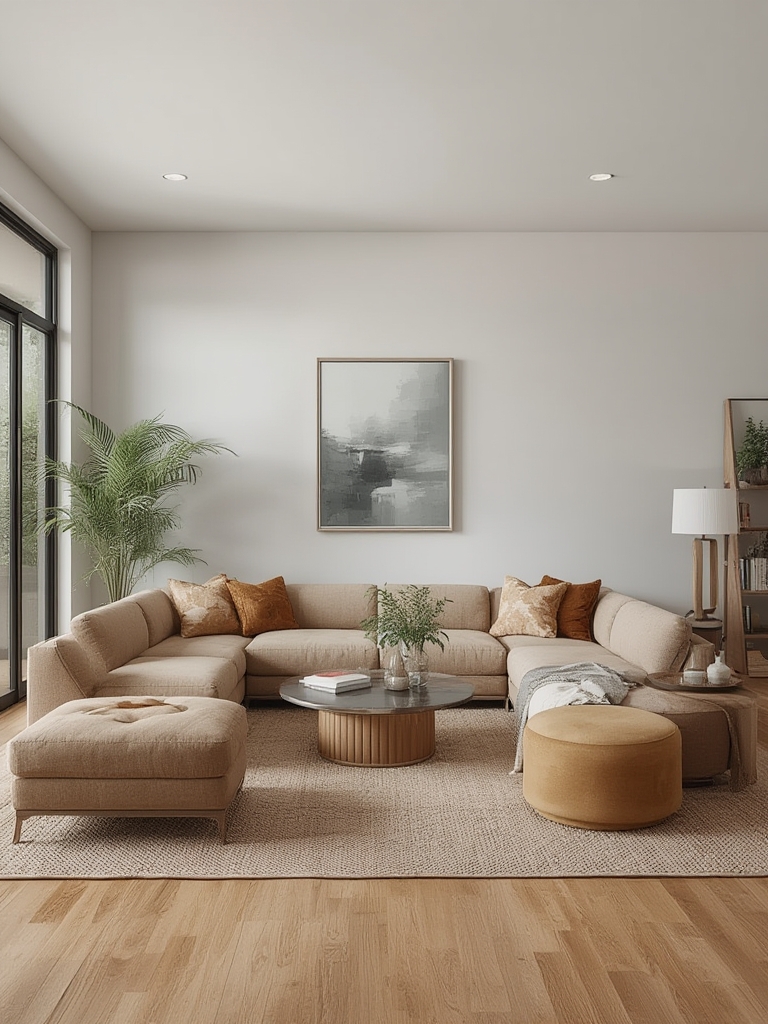
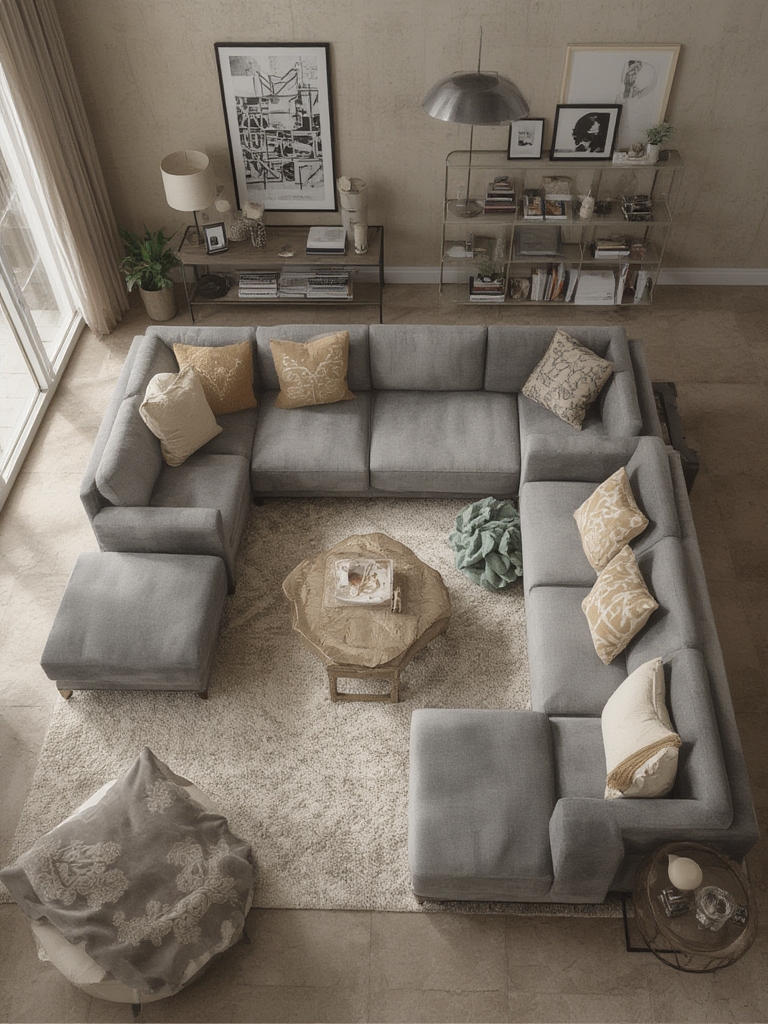
When it comes to creating a living‑room that adapts to everything from movie nights to impromptu work‑from‑home sessions, a modular sectional is the ultimate game‑changer. Unlike traditional sofas, modular pieces let you rearrange, add, or remove sections on the fly, giving you the flexibility to match your space, lifestyle, and design trends without a full‑furnish overhaul. Below is a data‑driven, step‑by‑step guide that walks you through selecting, arranging, and caring for a modular sectional so you can enjoy a stylish, functional, and long‑lasting seating solution.
1. Assess Your Space and Lifestyle Needs
Measure twice, buy once
- Use a laser measure or a simple tape to record the length, width, and height of the area where the sectional will live.
- Leave at least 36‑inches of clearance around the perimeter for traffic flow—studies show that rooms with clear pathways feel 20% more spacious.
- Sketch a rough floor plan on graph paper (1 square = 1 foot) or use a free online room planner to visualize different configurations.
Identify usage patterns
Survey your household’s habits: 70% of families use the living room for both relaxation and informal work (source: Home Comfort Survey 2023). If you often host guests, prioritize sections that can convert into chaise lounges or extra seating. If you need a mini‑office, look for modules with built‑in storage or a low‑profile back that can accommodate a laptop.
2. Choose the Right Modular System
Component types
- Standard seats: The core building blocks—choose upholstery that matches your durability needs (fabric for families with kids, leather for sleek aesthetics).
- Chaise & ottoman modules: Add these for lounging or as footrests; they also double as extra seating when guests arrive.
- Storage cubes: Ideal for blankets, magazines, or gaming accessories, keeping the room clutter‑free.
- Adjustable backrests: Some high‑end systems let you tilt or remove backs for a low‑profile lounge vibe.
Material considerations
According to a 2022 consumer report, 84% of buyers prioritize stain‑resistant fabrics for high‑traffic homes. Look for performance fabrics (e.g., Sunbrella, Crypton) that repel spills and are easy to clean. If you opt for leather, select top‑grain leather with a protective finish to guard against wear.
3. Plan Your Layout Using Data‑Backed Design Principles
Start with a focal point
Identify the room’s main visual anchor—usually a TV, fireplace, or large window. Position the longest sectional segment facing this point, keeping a viewing distance of 1.5‑2.5 times the screen size for optimal comfort.
Apply the “Golden Ratio” for balance
Arrange modules so the length of the seating area to the width of the room follows a 1.618:1 ratio. This proportion creates a naturally pleasing visual balance, as confirmed by interior design research.
Test multiple configurations
- U‑shape: Great for conversation; keeps everyone facing each other.
- L‑shape: Saves space while providing a clear line of sight to the focal point.
- Modular island: Place a low backless module in the center for a casual, lounge‑like vibe.
Use your floor‑plan sketch to experiment before committing. Many retailers offer virtual configurators that let you drag and drop modules to see real‑time fit.
4. Execute the Installation Efficiently
Gather tools and helpers
- Soft‑rubber furniture sliders (protects floors and eases movement).
- Allen wrenches or screwdriver set (most modular sections use hidden bolts).
- Two‑person lift or a sturdy dolly for larger pieces.
Step‑by‑step assembly
- Lay out the base modules: Position them on the floor first to confirm spacing.
- Connect sections: Align the interlocking brackets, insert the cam locks, and tighten with the Allen wrench. Listen for a “click”—this indicates a secure lock.
- Attach accessories: Add chaise, ottoman, or storage cubes last, ensuring they snap firmly into place.
- Secure to the wall (optional): For households with children or pets, anchor the sectional using anti‑tip brackets to meet safety standards (recommended by the Consumer Product Safety Commission).
5. Maintain Your Modular Sectional for Longevity
Routine cleaning schedule
- Weekly: Vacuum with a soft brush attachment to remove dust and crumbs.
- Monthly: Spot‑clean spills using a mild detergent mixed with water (test on an inconspicuous area first).
- Quarterly: Rotate cushions to even out wear; flip reversible sections if applicable.
Preventative care tips
- Apply a fabric protector spray (e.g., Scotchgard) to fabric upholstery every 6‑8 months.
- Use coasters and trays on armrests to avoid heat rings from drinks.
- Keep pets’ claws trimmed and consider a pet‑friendly slipcover if shedding is a concern.
6. Optimize the Look with Complementary Décor
Layer with textiles
Introduce a mix of throw pillows (different textures, 18‑24‑inch sizes) and a plush area rug that anchors the sectional. Data from interior design trends shows that rooms featuring at least three pillow layers feel “cozier” to 68% of respondents.
Lighting and accessories
- Install a floor lamp behind the sectional for ambient lighting without glare.
- Place a low coffee table (height 16‑18 inches) within arm’s reach to keep remotes and books accessible.
- Add a few curated décor items—such as a small indoor plant or a decorative tray—to break up the visual mass of the furniture.
Conclusion
By following these data‑driven steps—from precise measurement and smart material selection to strategic layout and diligent upkeep—you’ll transform a simple modular sectional into a versatile centerpiece that adapts to every moment in your home. Not only does this approach maximize comfort and functionality, it also protects your investment, ensuring the sectional remains a stylish, durable fixture for years to come.