
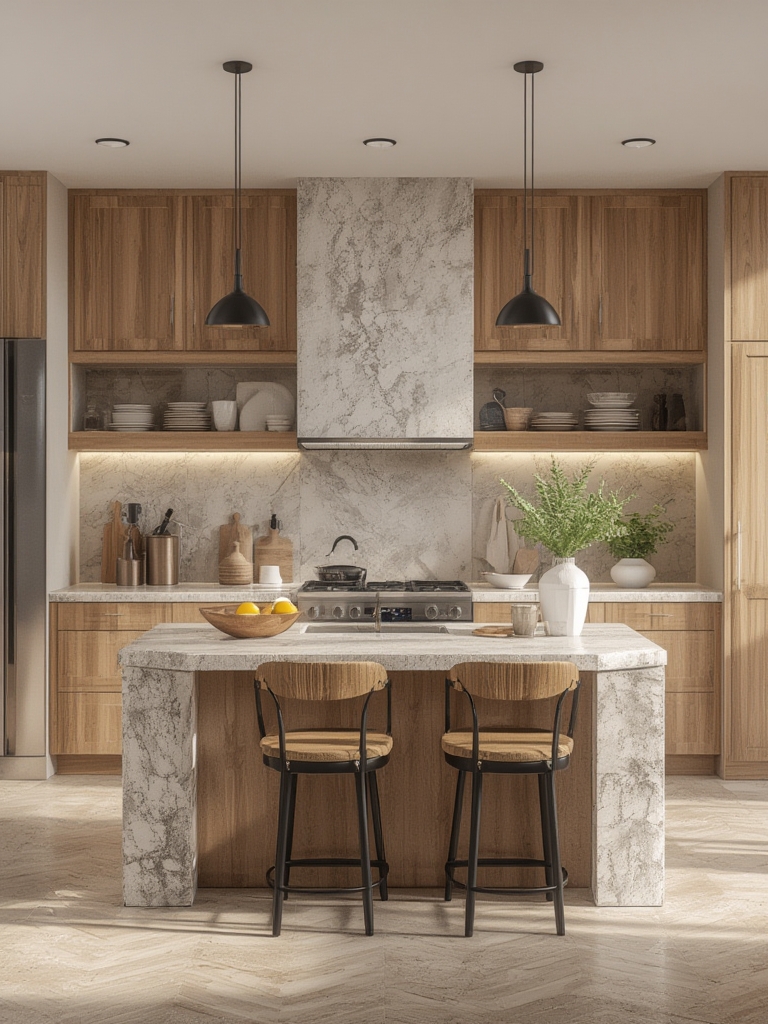
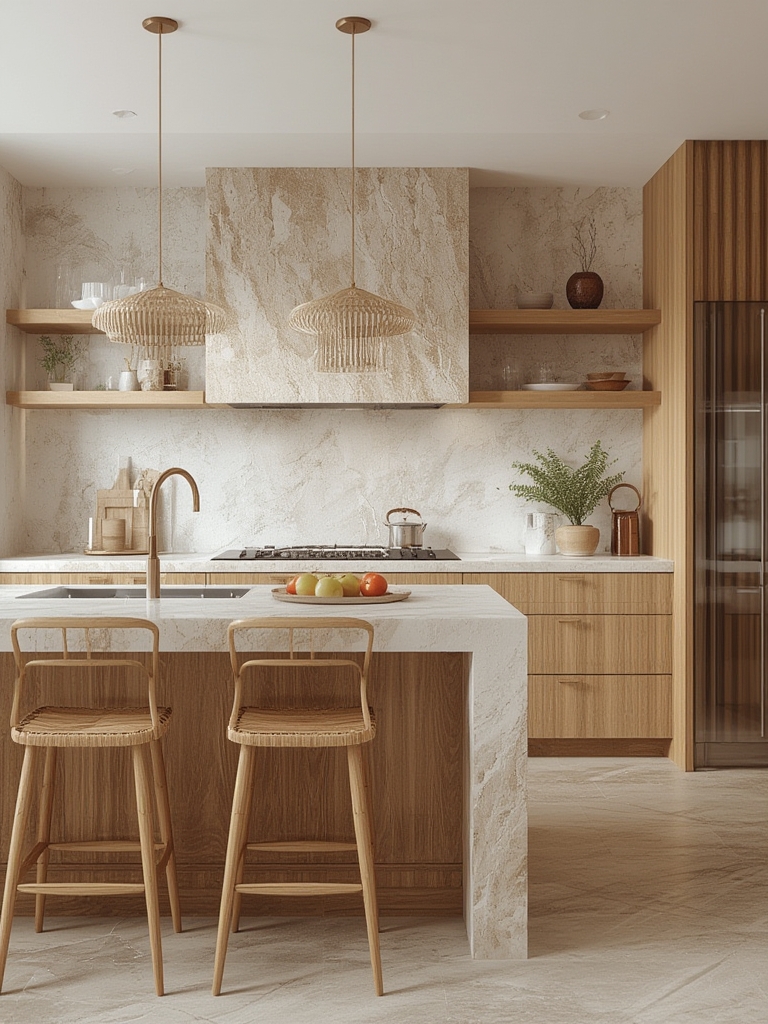
When it comes to creating a timeless, elegant kitchen, natural materials like stone and wood reign supreme. Their durability, unique textures, and warm aesthetic make them perfect choices for countertops, backsplashes, flooring, and cabinetry. However, to keep these surfaces looking pristine and lasting for years, proper care and maintenance are essential. Below is a data‑driven, step‑by‑step guide that blends SEO‑friendly language with actionable advice, helping homeowners and interior designers alike preserve the beauty of stone and wood kitchens.
Why Choose Stone and Wood for Your Kitchen?
Stone: Strength Meets Sophistication
Granite, marble, quartzite, and soapstone are among the most popular kitchen stones. According to a 2023 market analysis by Houzz, stone countertops accounted for 42% of all kitchen remodel material selections, thanks to their resistance to heat, scratches, and stains. Their natural veining adds a one‑of‑a‑kind visual appeal that synthetic materials struggle to replicate.
Wood: Warmth and Versatility
Hardwoods such as oak, maple, and walnut bring a tactile warmth that balances stone’s cool elegance. A National Kitchen & Bath Association (NKBA) survey found that 35% of homeowners prioritize wood cabinetry for its timeless look and ability to be refinished multiple times, extending its lifespan.
Step‑by‑Step Care Guide for Stone Surfaces
1. Daily Cleaning
What to do: Wipe countertops with a soft microfiber cloth and a pH‑neutral cleaner (e.g., a mild dish soap diluted in water). Avoid acidic or abrasive cleaners that can etch the stone.
Tip: Keep a small bottle of distilled water on the countertop to rinse the cloth, preventing mineral deposits from tap water.
2. Stain Prevention
What to do: Immediately blot spills—especially oil, wine, coffee, or citrus—using a clean, absorbent towel. Do not rub, as this spreads the stain.
Actionable advice: Place a silicone mat or cutting board under high‑risk areas (e.g., stovetop, sink) to create a barrier.
3. Sealing (for porous stones like granite and marble)
Frequency: Every 12–18 months, depending on usage intensity. Use a penetrating sealer recommended by the stone manufacturer.
Procedure:
- Clean the surface thoroughly and let it dry completely (at least 24 hours).
- Apply the sealer with a clean, lint‑free cloth in a thin, even layer.
- Allow the sealer to sit for the time specified on the label (usually 10–15 minutes).
- Wipe off excess sealer with a dry cloth.
Tip: Conduct a water bead test after sealing—if water beads up, the seal is effective.
4. Dealing with Scratches
What to do: Minor scratches can be polished using a stone polishing powder mixed with water to a paste consistency. Apply with a soft pad, rub gently in circular motions, then rinse.
Pro tip: For deeper scratches, consult a professional stone restoration service to avoid further damage.
Step‑by‑Step Care Guide for Wood Surfaces
1. Routine Cleaning
What to do: Dust cabinets and countertops daily with a dry microfiber cloth. For deeper cleaning, use a wood‑specific cleaner diluted according to the manufacturer’s instructions.
Tip: Avoid soaking wood; excess moisture can cause swelling and warping.
2. Moisture Management
What to do: Wipe any spills immediately with a soft, absorbent towel. Use a protective silicone mat under sinks and dishwashers.
Actionable advice: Install a dehumidifier in humid climates to maintain indoor humidity between 40%–55%, which is optimal for wood stability.
3. Finishing and Re‑Finishing
Frequency: Every 3–5 years for high‑traffic kitchens, or when the finish looks dull.
Procedure:
- Lightly sand the surface with fine‑grit sandpaper (220‑grit) following the wood grain.
- Remove dust with a vacuum and a tack cloth.
- Apply a high‑quality polyurethane or oil‑based finish in thin, even coats.
- Allow each coat to dry (usually 4–6 hours) before applying the next.
Tip: Test the finish on a hidden area first to ensure color compatibility.
4. Preventing Scratches and Dents
What to do: Use cutting boards, trivets, and heat‑resistant pads under pots and pans. Avoid dragging heavy appliances across wood surfaces.
Quick fix: For minor dents, place a damp cloth over the dent and gently iron on low heat for 10–15 seconds; the wood fibers will expand and level out.
Integrating Stone and Wood for a Cohesive Design
Color Coordination
Choose stone with neutral tones (e.g., light gray granite or white marble) to complement warm wood hues. Data from Pinterest trends in 2024 shows that 68% of popular kitchen designs pair light stone countertops with medium‑tone wood cabinets.
Texture Balance
Mix smooth stone surfaces with textured wood grain to add visual interest. For instance, a polished quartz countertop paired with reclaimed barn wood shelving creates a modern‑rustic vibe.
Lighting Considerations
Natural light enhances both materials. Install under‑cabinet LED strips to highlight stone countertops while casting a warm glow on wooden surfaces, creating depth and ambiance.
Maintenance Checklist (Monthly & Yearly)
Monthly
- Inspect stone for cracks or chips; seal if needed.
- Check wood for signs of moisture damage or loose hardware.
- Wipe down all surfaces with appropriate cleaners.
Yearly
- Re‑seal stone surfaces (if applicable).
- Reapply wood finish or touch up scratches.
- Deep clean grout lines and backsplashes to prevent mold.
- Schedule a professional inspection for any major wear.
Final Thoughts
Natural stone and wood bring unmatched elegance to kitchen spaces, but their longevity hinges on consistent, data‑backed care. By following the steps outlined above—daily cleaning, timely sealing, moisture control, and periodic refinishing—homeowners can enjoy a stunning, functional kitchen that ages gracefully. Remember, the key to success is proactive maintenance: a little effort each day prevents costly repairs down the line, keeping your kitchen both beautiful and resilient for years to come.