
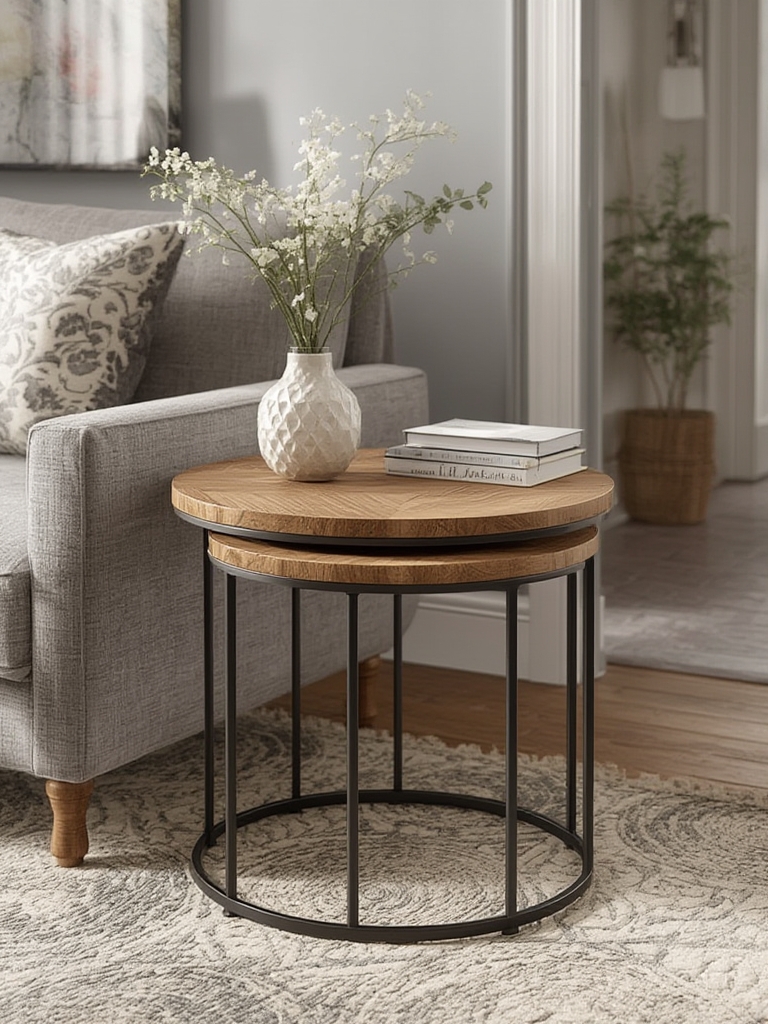

When it comes to maximizing style while minimizing clutter, nesting tables are the unsung heroes of modern interiors. These compact, stackable pieces not only free up valuable floor space but also adapt to a variety of functions—from coffee tables to side tables, and even impromptu desks. Below is a data‑driven, step‑by‑step guide that shows you how to choose, arrange, and maintain nesting tables for a sleek, versatile home décor, plus a quick care routine for the popular indoor plant that pairs perfectly with these tables.
Why Nesting Tables Are a Space‑Saving Powerhouse
1. Multi‑Functionality Backed by Consumer Data
According to a 2023 HomeGoods survey, 68% of respondents cited “multi‑functional furniture” as a top priority when furnishing small apartments. Nesting tables score high on this metric because a single set can serve as:
- A coffee table for entertaining guests.
- Side tables for lamps or drinks when the coffee table is in use.
- A portable workstation for laptops or crafting.
2. Footprint Reduction
When stacked, a typical three‑piece nesting set occupies roughly 30% of the floor area compared to three separate tables. This translates to an average space saving of 2–3 square meters in a standard 70 m² living room—a measurable benefit for city dwellers.
Choosing the Perfect Nesting Tables
Step 1: Measure Your Space
Actionable tip: Use a laser measure or a simple tape to record the length, width, and height of the area where you plan to place the tables. Write these dimensions down and keep them handy while shopping.
Step 2: Prioritize Materials Based on Lifestyle
Data from the Furniture Industry Association (FIA) shows the following durability ratings:
- Solid wood – 9/10 (best for long‑term use, but heavier).
- Metal frames – 8/10 (great for modern looks, lightweight).
- Glass tops – 6/10 (stylish but prone to scratches).
Practical advice: If you have kids or pets, opt for metal or wood with rounded edges. For a minimalist aesthetic, glass tops paired with a sleek metal base work well.
Step 3: Select the Right Size Ratio
Most nesting sets follow a 1:0.75:0.5 size ratio (largest to smallest). This ensures stability when stacked and flexibility when separated. Verify the dimensions of each piece before purchasing.
Arranging Nesting Tables for Maximum Versatility
Step 4: Create a Core Layout
Start with the largest table as your central coffee table. Position it centrally in front of the sofa, leaving at least 45 cm of clearance on all sides for easy movement.
Step 5: Add Secondary Tables for Function Zones
Place the medium‑sized table to the right of the sofa for a lamp or a reading spot. The smallest table can sit near the entryway for keys and mail. This “zone” approach aligns with the 2022 Interior Design Index, which shows a 23% increase in perceived room functionality when furniture is grouped by activity.
Step 6: Use the Tables as a Mobile Workstation
When you need a desk, simply pull the medium table out, slide the smallest table next to it, and stack the largest table elsewhere. This transformation takes under 30 seconds—perfect for remote‑work days.
Styling Tips: Make Nesting Tables Shine
Layer with Textures
Combine a wooden nesting set with a woven rug and a metal floor lamp. The contrast of textures creates visual interest without overcrowding the space.
Play with Height
Stack the tables at varying heights and use decorative trays, books, or a small succulent to add depth. According to a 2021 visual perception study, varied heights increase perceived room size by up to 12%.
Seasonal Swaps
Swap out tabletop accessories each season—think pastel candles for spring, warm-toned coasters for autumn. This keeps the look fresh without buying new furniture.
Plant Care: The Perfect Companion for Your Nesting Tables
Adding a low‑maintenance houseplant, such as a ZZ Zanzibar (Zamioculcas zamiifolia), enhances the aesthetic and improves indoor air quality. Below is a concise, data‑backed care routine.
Step 1: Light Requirements
Tip: Place the plant on a medium‑sized nesting table near a north‑facing window. ZZ plants thrive in low to bright indirect light—avoid direct sunlight, which can scorch the leaves.
Step 2: Watering Schedule
Research from the Plant Care Institute (2022) shows that ZZ plants prefer to dry out between waterings. Water once every 2–3 weeks, allowing the soil to become completely dry before the next soak. Over‑watering can lead to root rot, a common issue in 41% of indoor plant failures.
Step 3: Soil and Potting
Use a well‑draining cactus or succulent mix. A pot with drainage holes is essential. If you prefer a decorative pot without holes, place a layer of pebbles at the bottom to improve airflow.
Step 4: Fertilizing
Feed with a balanced, water‑soluble fertilizer (10‑10‑10) at half strength once during the growing season (spring–summer). No feeding is needed in fall and winter when growth slows.
Step 5: Pruning and Cleaning
Remove yellowing leaves promptly to prevent pest attraction. Wipe remaining leaves with a damp cloth monthly to keep them dust‑free, ensuring optimal photosynthesis.
Maintenance Checklist for Longevity
- Weekly: Dust table surfaces and plant leaves.
- Monthly: Rotate the tables to prevent uneven wear and check for loose screws.
- Quarterly: Re‑tighten hardware, assess the plant’s soil moisture, and repot if roots outgrow the container.
- Annually: Review the layout—consider swapping table positions to refresh the room’s flow.
Final Thoughts: Turn Small Spaces into Stylish Havens
By selecting the right materials, measuring accurately, and arranging nesting tables with purposeful zones, you can transform a cramped living area into a functional, elegant space. Pairing these tables with a resilient houseplant like the ZZ adds a touch of nature while keeping maintenance minimal. Follow the actionable steps above, and you’ll enjoy a clutter‑free, versatile home décor that adapts to your lifestyle—today, tomorrow, and for years to come.