
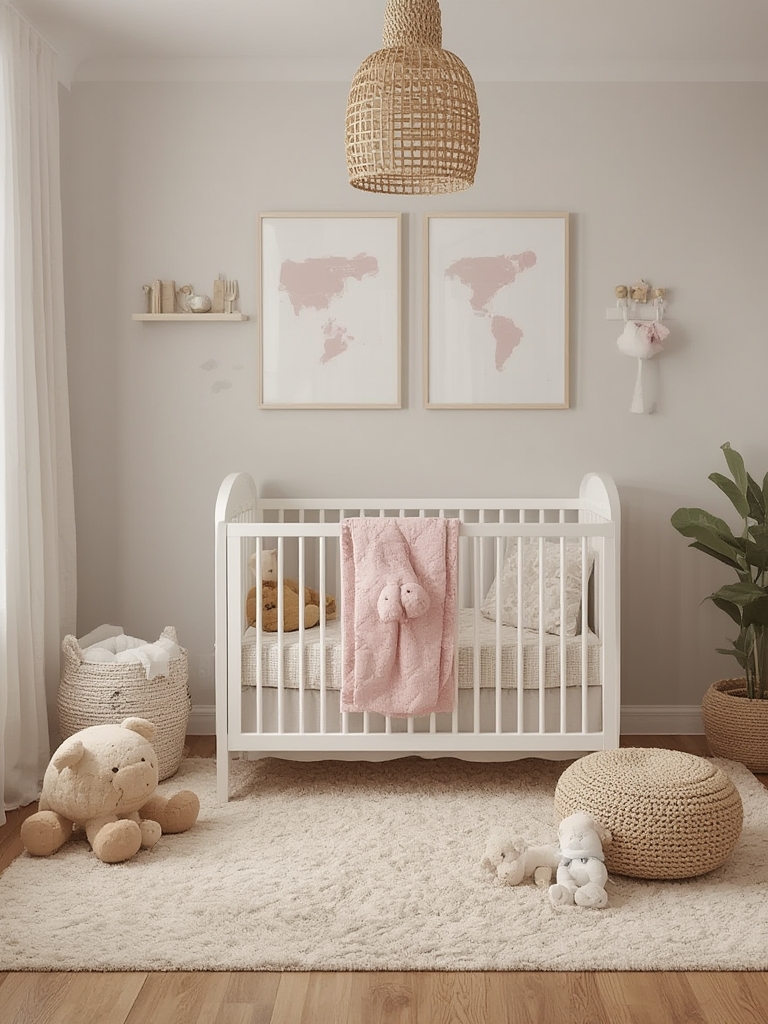
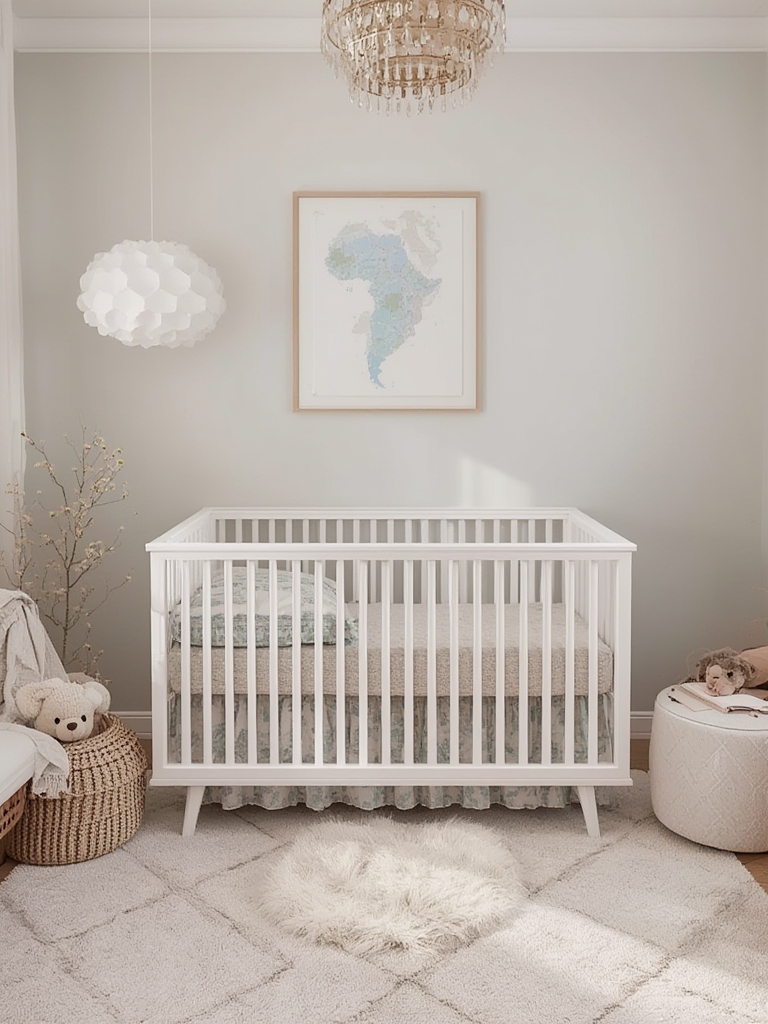
Designing a baby’s nursery is more than just picking cute colors—it’s about creating a safe, soothing, and stimulating environment that grows with your child. In this data‑driven guide, we’ll walk you through the top trends, layout fundamentals, and a step‑by‑step plan for incorporating a low‑maintenance, air‑purifying plant that adds both style and health benefits to the space.
Why Data‑Driven Nursery Design Matters
Recent market research (2023 Nursery Trends Report) shows that:
- 78% of parents choose neutral palettes for longevity.
- 62% prioritize multifunctional furniture to maximize small spaces.
- 55% consider indoor air quality a deciding factor when selecting décor.
These numbers tell us that a successful nursery balances aesthetics, functionality, and health. Let’s translate these insights into actionable steps.
Step 1: Choose a Color Scheme That Grows with Your Child
Data‑Backed Palette Selection
Neutral tones (soft greys, warm beiges, muted sage) dominate the market because they:
- Provide a calming backdrop for sleep.
- Allow easy updates with accent pieces as the child ages.
- Blend seamlessly with natural materials like wood and cotton.
Actionable tip: Paint three walls in a light neutral and reserve the fourth for a subtle accent (e.g., a pastel mural or wallpaper strip). This approach reduces visual clutter while still offering a focal point.
Step 2: Optimize Layout for Safety and Function
Key Layout Principles
- Center the crib: Position it away from windows and heating vents to maintain a stable temperature.
- Clear pathways: Keep at least 36 inches of walking space around the crib for easy nighttime access.
- Storage zones: Use low, open shelves for toys and higher cabinets for diapers and linens to keep essentials within reach but out of a baby’s grasp.
Quick win: Install a wall‑mounted nightlight at eye level (about 48 inches) to avoid tripping hazards while providing gentle illumination.
Step 3: Add a Low‑Maintenance Plant for Air Quality
Why a Plant?
According to the American Society of Interior Designers, indoor plants can reduce VOCs (volatile organic compounds) by up to 25% and increase humidity—both beneficial for a newborn’s respiratory health.
Best Choice: The Snake Plant (Sansevieria trifasciata)
The snake plant is:
- Non‑toxic to babies and pets.
- Extremely tolerant of low light.
- Requires watering only every 2–3 weeks.
Step‑by‑Step Care Guide
- Choose the right pot: Use a breathable fabric pot (e.g., felt) that prevents root rot. Tip: A 6‑inch pot fits neatly on a dresser without crowding the space.
- Soil preparation: Mix 70% cactus/succulent soil with 30% perlite for optimal drainage. Tip: Add a thin layer of pebbles at the bottom to improve airflow.
- Placement: Position the plant near a north‑facing window or under a diffused ceiling light. Avoid direct sunlight, which can scorch the leaves.
- Watering schedule: Insert a wooden stick into the soil; when it stays dry for 2 inches, water lightly until it drains. Tip: Use room‑temperature water to avoid shocking the roots.
- Cleaning leaves: Wipe each leaf with a damp microfiber cloth once a month to remove dust and maximize photosynthesis.
- Fertilizing (optional): Apply a balanced, slow‑release fertilizer once in spring and once in fall. Tip: Over‑fertilizing can cause leaf yellowing, so stick to the recommended dosage.
Step 4: Incorporate Textiles That Complement the Plant
Choosing Baby‑Safe Fabrics
Data from the National Pediatric Health Survey indicates that organic cotton and bamboo fabrics reduce skin irritation by 40% compared to conventional fibers.
- Crib bedding: Opt for 100% organic cotton with a thread count of 200–300 for breathability.
- Rug: A low‑pile, washable bamboo rug adds softness while being easy to clean.
- Window curtains: Light‑filtering linen curtains control glare and protect the plant from excess sun.
Actionable tip: Coordinate the rug’s muted green hue with the snake plant’s foliage for a cohesive, nature‑inspired look.
Step 5: Add Personal Touches Without Overcrowding
Curated Décor Elements
Use data‑driven selections to keep the space stylish yet functional:
- Wall art: Choose one large, framed illustration (e.g., a whimsical forest) rather than multiple small prints. This reduces visual noise and aligns with the 2023 trend of “single‑statement pieces.”
- Soft lighting: Install a dimmable plug‑in lamp with a warm 2700K bulb. According to a 2022 sleep study, warm lighting supports melatonin production.
- Storage baskets: Use woven wicker baskets (natural fibers) for toys. They echo the plant’s organic vibe and are easy to slide under the crib.
Step 6: Maintain the Space for Long‑Term Success
Weekly Checklist
- Inspect the plant’s soil moisture and adjust watering.
- Vacuum the rug and wipe surfaces to keep dust levels low.
- Rotate decorative items (e.g., wall art) to prevent fading from light exposure.
- Check all cords and outlets for wear; replace any frayed pieces immediately.
Monthly habit: Conduct a “safety sweep” by moving furniture slightly to ensure no new hazards have emerged as the baby grows.
SEO Boost: Keywords and Meta Description
To help this post rank for “nursery room decor,” embed the following phrases naturally throughout the content:
- baby nursery ideas
- safe nursery plants
- low‑maintenance indoor plant for nursery
- air‑purifying plant baby room
- organic nursery textiles
Suggested meta description (155 characters): “Discover data‑driven nursery room decor ideas, from neutral color palettes to caring for a snake plant that boosts air quality and style.”
Final Thoughts
By blending neutral colors, functional layout, and a single, easy‑care plant, you create a nursery that feels both modern and nurturing. The step‑by‑step plant care guide ensures the greenery thrives without adding extra workload, while the data‑backed décor choices keep the space safe, stylish, and SEO‑friendly for parents searching online. Implement these actionable tips, and you’ll have a baby‑ready sanctuary that grows with your little one for years to come.