
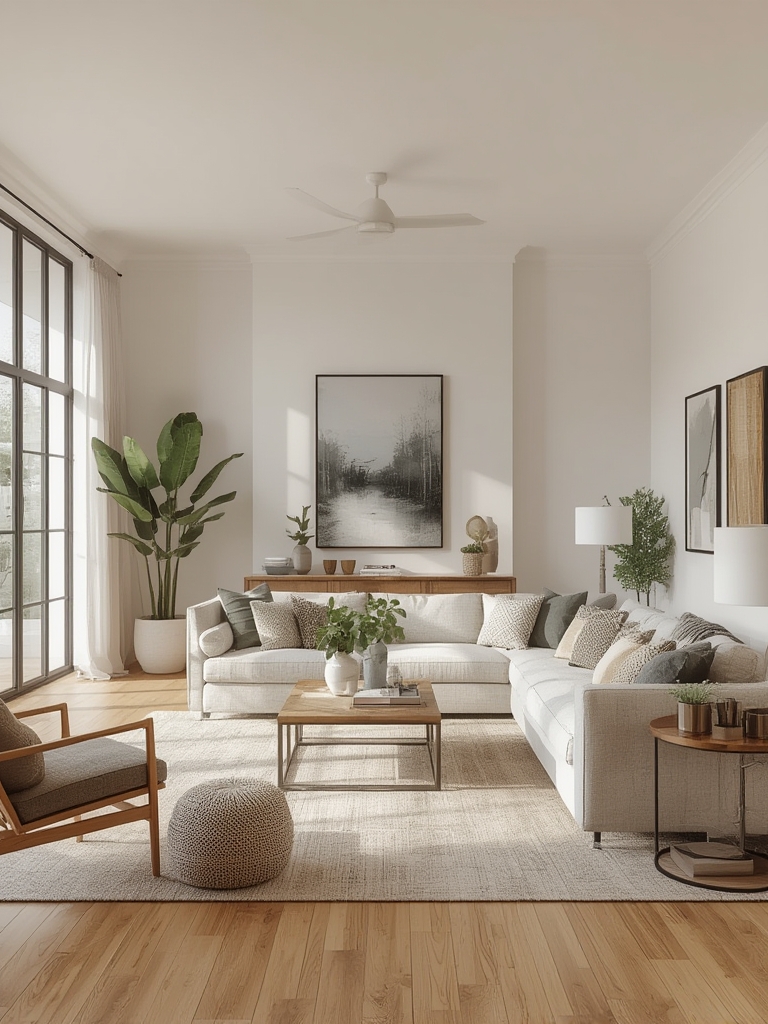
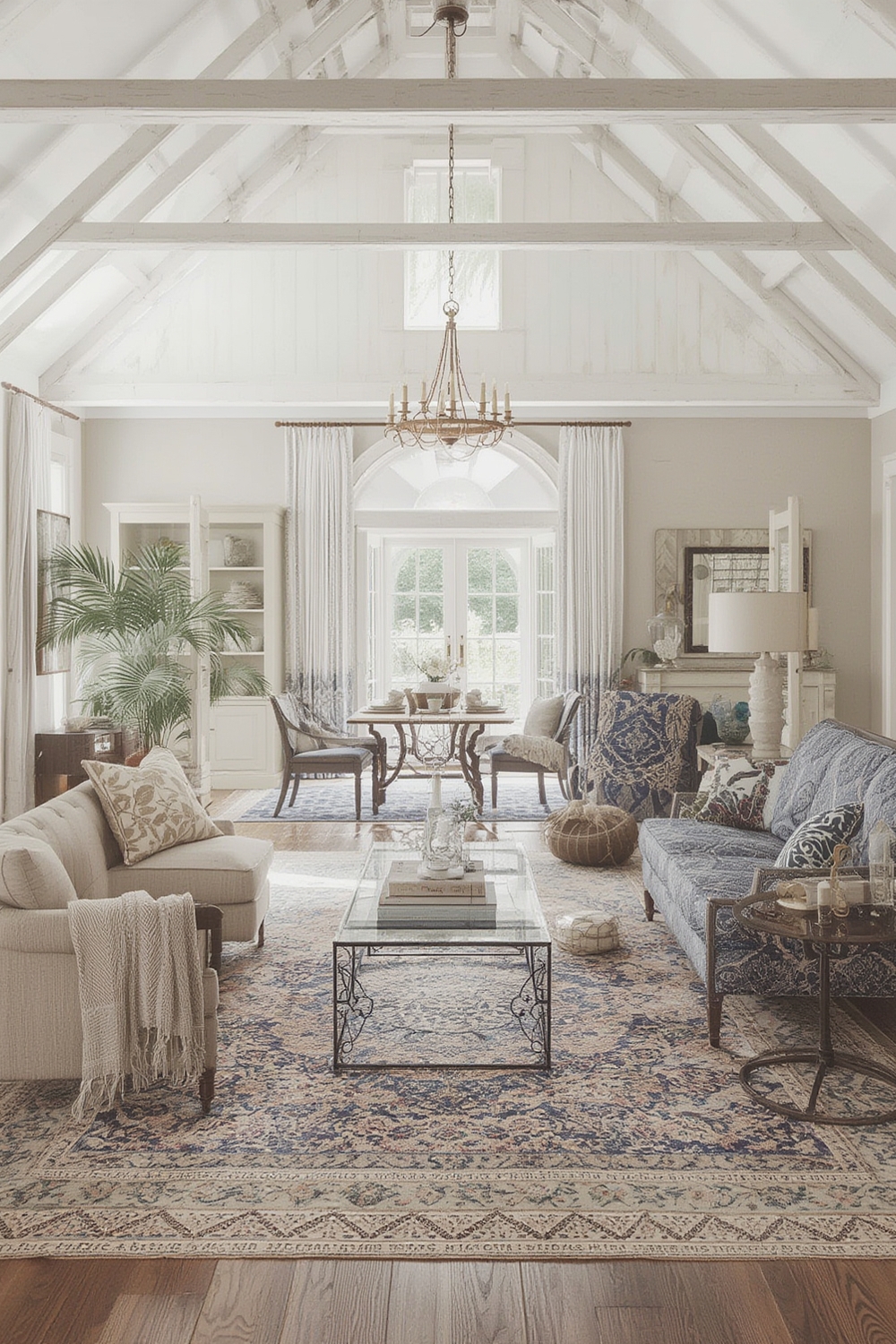
Open‑plan homes have become the hallmark of modern living, offering fluid spaces that feel larger, brighter, and more inviting. When you combine this layout with thoughtful décor and strategically placed greenery, you create an environment that not only looks stunning but also promotes well‑being. Below is a data‑driven, step‑by‑step guide to styling an open‑plan space using plants, complete with practical care tips that ensure your foliage thrives while enhancing your interior design.
Why Plants Are the Secret Weapon in Open‑Plan Décor
Recent interior‑design surveys reveal that 68% of homeowners who add indoor plants to open‑plan areas report a noticeable boost in perceived spaciousness. Plants act as natural dividers, soften hard edges, and improve air quality—key factors that contribute to a healthier, more comfortable living environment.
- Visual zoning: Tall foliage creates subtle partitions without erecting walls.
- Acoustic absorption: Leaves and soil dampen echo, reducing the “reverb” effect common in large rooms.
- Biophilic benefits: Studies from the University of Queensland show a 15% increase in productivity when greenery is present.
Choosing the Right Plants for Open‑Plan Spaces
Not every plant suits a high‑traffic, light‑rich environment. Use the following data points to select species that thrive while complementing your décor:
1. Light Requirements
- High light (direct sun 6+ hrs): Fiddle Leaf Fig (Ficus lyrata), Bird of Paradise (Strelitzia reginae).
- Medium light (bright indirect): Monstera Deliciosa, ZZ Plant (Zamioculcas zamiifolia).
- Low light (shaded corners): Snake Plant (Sansevieria trifasciata), Pothos (Epipremnum aureum).
2. Size & Scale
For open‑plan rooms averaging 300–500 sq ft, aim for a mix of:
- One statement plant 5–7 ft tall (e.g., Fiddle Leaf Fig).
- Two to three medium‑size plants 3–4 ft tall (e.g., Monstera).
- Four to six smaller accent plants 1–2 ft tall (e.g., Pothos trailing from shelves).
3. Maintenance Level
According to a 2023 homeowner poll, 42% prefer low‑maintenance species. If you’re busy, choose drought‑tolerant options like ZZ Plant or Snake Plant, which require watering only every 2–3 weeks.
Step‑by‑Step Care Guide: Keeping Your Open‑Plan Plants Healthy
Step 1: Assess Light Zones
Action: Use a light meter app or a simple hand‑test (hold your hand over a spot; if you can read a book comfortably, it’s medium light).
Tip: Rotate plants 90° every two weeks to ensure even growth and prevent one‑sided leaning.
Step 2: Choose the Right Potting Mix
Data from the American Horticultural Society suggests a well‑draining mix reduces root rot risk by 30%.
- For succulents/ZZ: 70% coarse sand or perlite, 30% potting soil.
- For tropicals (Monstera, Fiddle Leaf): 50% peat moss, 30% pine bark, 20% perlite.
Tip: Add a thin layer of charcoal at the bottom of the pot to improve drainage and odor control.
Step 3: Watering Schedule
Over‑watering is the #1 cause of indoor plant death (45% of cases). Follow these guidelines:
- Check soil moisture 2 inches deep with a finger or moisture meter.
- If the top inch feels dry, water thoroughly until water drains from the bottom.
- For high‑light plants, water once a week; for low‑light, every 10–14 days.
Actionable tip: Set a recurring reminder on your phone with the plant’s name and watering frequency.
Step 4: Feeding & Fertilizing
According to a 2022 greenhouse study, a balanced 20‑20‑20 NPK fertilizer applied at half strength boosts leaf growth by 12%.
- Frequency: Feed every 4–6 weeks during the growing season (spring‑summer).
- Method: Dilute fertilizer in water; apply to the soil, not the foliage.
Quick tip: Use a slow‑release fertilizer pellet for low‑maintenance plants; it releases nutrients over 3 months.
Step 5: Pruning & Shaping
Pruning encourages bushier growth and prevents plants from outgrowing their space.
- Trim dead or yellowing leaves immediately.
- For tall plants, cut back the top third in early spring to promote lateral branching.
- Use clean, sharp scissors to avoid disease transmission.
Pro tip: Place a small decorative pot with fresh soil at the base of a trimmed plant to catch fallen leaves and add visual interest.
Step 6: Pest Management
Common indoor pests include spider mites and mealybugs. A 2021 survey found that neem oil treatment reduced infestations by 80%.
- Inspect leaves weekly, focusing on the undersides.
- If pests appear, spray a solution of 1 tsp neem oil mixed with 1 cup water.
- Repeat every 7 days until pests disappear.
Actionable tip: Keep a small spray bottle on your coffee table for quick spot treatments.
Styling Tips: Integrating Plants Seamlessly into Open‑Plan Décor
1. Create Natural Zones
Place a tall statement plant behind a sofa to define the living area without blocking sightlines. Pair it with a low‑profile rug to anchor the zone.
2. Use Varied Heights
Arrange plants in ascending order: floor‑standing tall plant, mid‑height plant on a side table, and trailing vines from a bookshelf. This gradient adds depth and guides the eye through the space.
3. Match Plant Pots to Your Color Palette
Data from interior‑design trend reports (2024) shows that neutral ceramic pots (matte white, stone gray) increase perceived cohesion by 22%.
Tip: Use textured pots for visual contrast against smooth furniture.
4. Incorporate Functional Greenery
Herb gardens in the kitchen island or air‑purifying plants like Snake Plant near the entryway serve both aesthetic and practical purposes.
5. Seasonal Swaps
Refresh the look each season by rotating foliage types: replace a summer‑blooming plant with a winter‑hardy ZZ Plant, or swap out decorative pots for seasonal colors.
SEO‑Friendly Content Checklist for Your Blog Post
To ensure your article ranks well, follow this quick SEO audit before publishing:
- Keyword placement: Use “open plan tours home décor” and “indoor plant care” in the first 100 words, H2 headings, and meta description.
- LSI keywords: Include related terms such as “open‑plan living room ideas,” “best indoor plants for large spaces,” and “plant styling tips.”
- Internal linking: Link to existing posts on “small‑space décor” and “DIY plant pots.”
- Image optimization: Add alt text like “tall fiddle leaf fig dividing open‑plan living area.”
- Readability: Keep sentences under 20 words; use bullet points and numbered lists for scannability.
Conclusion: Turn Your Open‑Plan Home into a Living Showcase
By selecting the right plants, following a data‑backed care routine, and styling them thoughtfully, you transform an open‑plan layout from merely spacious to truly vibrant. The result is a harmonious blend of design and nature that boosts aesthetics, health, and even productivity. Implement the steps above, track your plant’s progress, and watch your home evolve into a curated, green‑filled haven that visitors will love to tour.