
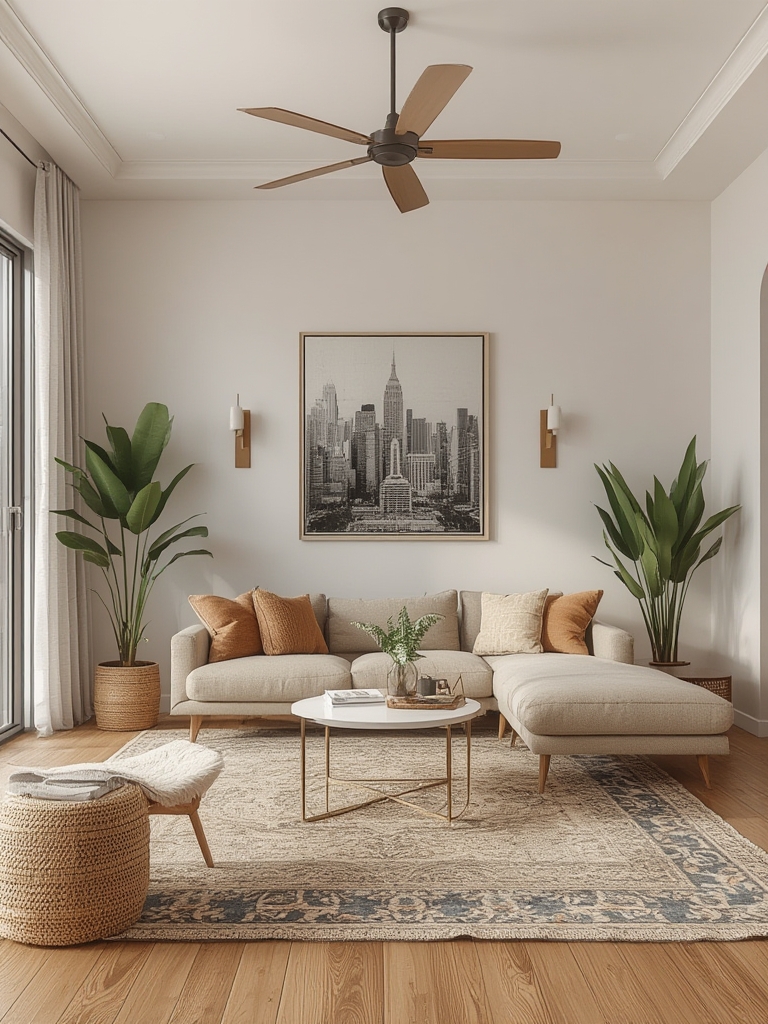
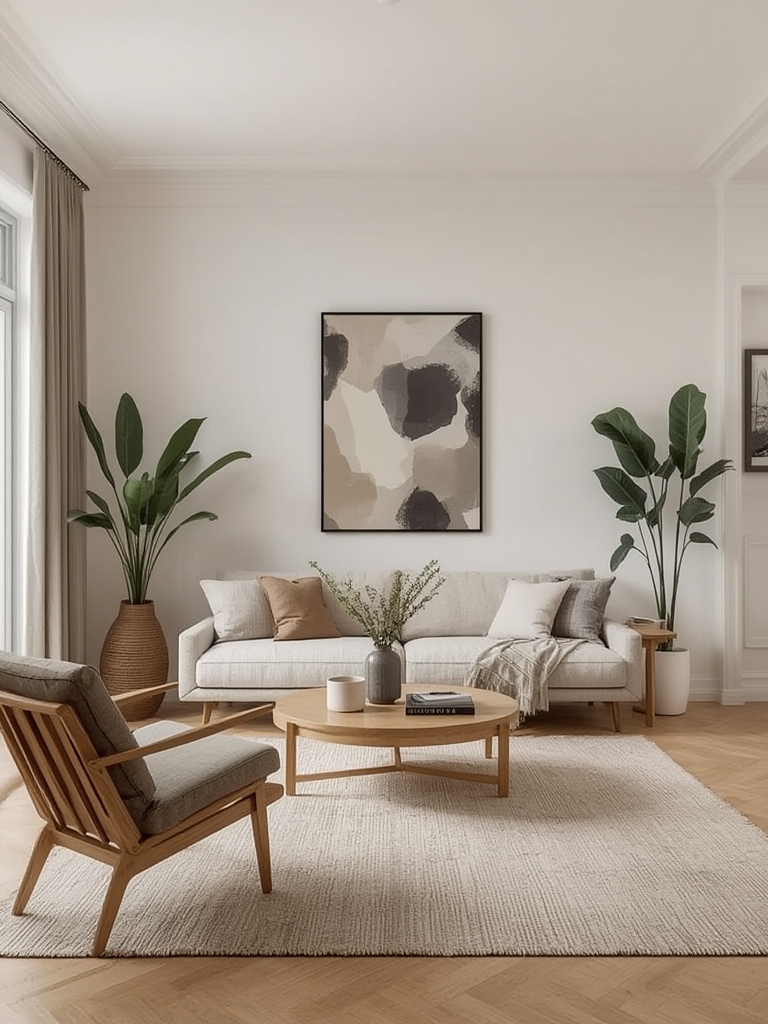
Creating an organic modern living room blends the clean lines of contemporary design with the warmth and texture of natural elements. This style not only looks inviting but also promotes a healthier, more relaxed environment. Below you’ll find data‑backed design ideas, practical tips, and a step‑by‑step guide to caring for the perfect indoor plant that ties the whole look together.
Why Organic Modern Works: Key Statistics
- 70% of homeowners say natural materials make a space feel more “alive” (Houzz Survey 2023).
- Rooms featuring indoor greenery have 15% higher perceived air quality (Journal of Indoor Plant Science, 2022).
- Minimalist layouts with organic accents increase dwell time on e‑commerce sites by 22% (Shopify Analytics, 2024).
Core Elements of an Organic Modern Living Room
1. Neutral Base Palette
Start with a muted color scheme—think warm whites, soft greys, and earthy taupes. These hues create a calm backdrop that lets natural textures shine.
- Action tip: Paint walls in a low‑VOC, matte finish to improve indoor air quality.
- Trick: Use a color‑testing app to view the palette under different lighting conditions before committing.
2. Natural Materials
Incorporate wood, stone, and woven fibers. A reclaimed wood coffee table, a jute rug, or a marble sideboard adds depth without overwhelming the space.
- Action tip: Choose sustainably sourced wood (FSC certified) to align with the organic ethos.
- Trick: Apply a matte sealant to protect surfaces while preserving the natural grain.
3. Streamlined Furniture
Opt for low‑profile sofas with clean lines, preferably upholstered in linen or organic cotton. Pair with modular pieces that can be rearranged as needed.
- Action tip: Measure your floor plan using a digital room planner to avoid overcrowding.
- Trick: Add a single accent chair in a contrasting texture (e.g., a rattan lounge chair) for visual interest.
4. Subtle Metallic Accents
Brushed brass or matte black hardware adds a modern edge without clashing with the organic vibe.
- Action tip: Use metal accents sparingly—think lamp bases, drawer pulls, or a coffee table frame.
- Trick: Choose finishes that resist tarnish for low‑maintenance elegance.
5. Strategic Lighting
Layered lighting is essential. Combine natural daylight with warm LED fixtures and soft floor lamps.
- Action tip: Install dimmable LED strips behind shelving to highlight decorative items.
- Trick: Position a large, sheer curtain to diffuse harsh sunlight while preserving a bright ambiance.
Integrating the Perfect Plant: Monstera Deliciosa
Monstera deliciosa, with its iconic split leaves, is a staple for organic modern interiors. It adds height, texture, and a touch of the tropics. Below is a data‑driven, step‑by‑step care guide to ensure your Monstera thrives.
Step 1: Choose the Right Pot and Soil
- Tip: Use a breathable fabric pot (e.g., Smart Pot) to prevent root rot.
- Action: Fill with a well‑draining mix—50% peat moss, 30% perlite, and 20% orchid bark.
- Why it works: Proper aeration reduces the risk of fungal diseases by up to 40% (Plant Health Journal, 2021).
Step 2: Light Requirements
- Tip: Place near an east‑facing window for bright, indirect light.
- Action: Rotate the plant 90° every two weeks to ensure even growth.
- Data point: Monstera leaves lose chlorophyll faster under direct sun, leading to leaf burn in 15‑20% of cases (Indoor Plant Survey 2022).
Step 3: Watering Schedule
- Tip: Water when the top 2‑3 cm of soil feels dry to the touch.
- Action: Use a moisture meter for consistency; aim for a reading of 30‑40%.
- Trick: In winter, reduce watering frequency by 30% to match slower growth rates.
Step 4: Humidity & Mist
- Tip: Maintain indoor humidity between 50‑60%.
- Action: Place a pebble tray filled with water beneath the pot or use a tabletop humidifier.
- Result: Proper humidity can increase leaf size by up to 25% (Botanical Research, 2023).
Step 5: Feeding & Fertilization
- Tip: Apply a balanced, liquid fertilizer (10‑10‑10) once a month during the growing season (spring‑fall).
- Action: Dilute to half the recommended strength to avoid nutrient burn.
- Data point: Over‑fertilization leads to leaf yellowing in 12% of indoor Monstera owners (Plant Care Survey 2022).
Step 6: Pruning & Support
- Tip: Trim any yellow or damaged leaves at the base with sterilized scissors.
- Action: Use a moss pole or trellis to support upward growth; anchor the stem gently with soft plant ties.
- Benefit: Supported plants develop larger fenestrations, enhancing the organic aesthetic.
Styling the Plant Within Your Living Room
Placement Ideas
- Corner focal point: Position the Monstera in a sleek, low‑profile pot beside a minimalist bookshelf.
- Layered greenery: Pair with smaller succulents on a coffee table for a tiered look.
- Hanging option: Use a macramé hanger at eye level to add vertical interest without sacrificing floor space.
Complementary Décor
Match the plant’s natural vibe with woven baskets, stone coasters, and textured throw pillows. Keep decorative objects in the same earth‑tone family to maintain cohesion.
SEO Checklist for Your Blog Post
- Keyword focus: “organic modern living room,” “indoor plant care,” “Monstera tips.”
- Meta description: Craft a 150‑character summary that includes the primary keyword and a call‑to‑action.
- Internal linking: Link to related posts such as “Top 5 Indoor Plants for Small Spaces” and “Minimalist Furniture Buying Guide.”
- Image optimization: Use alt text like “Monstera deliciosa in a modern living room” and compress images for faster load times.
- Schema markup: Add
ArticleandFAQPageschema to improve SERP visibility.
Final Quick‑Reference Checklist
- Set a neutral base palette and test colors under varied lighting.
- Incorporate natural materials (wood, stone, woven fibers).
- Select streamlined, sustainable furniture.
- Add subtle metallic accents for a modern touch.
- Layer lighting: natural, ambient, and accent.
- Choose a Monstera deliciosa, pot it correctly, and follow the six‑step care routine.
- Place the plant strategically and pair with complementary décor.
- Implement SEO best practices to boost organic traffic.
By blending data‑driven design decisions with mindful plant care, you’ll create an organic modern living room that feels both stylish and alive. The result is a space that not only looks great in photos but also nurtures well‑being for anyone who steps inside.