
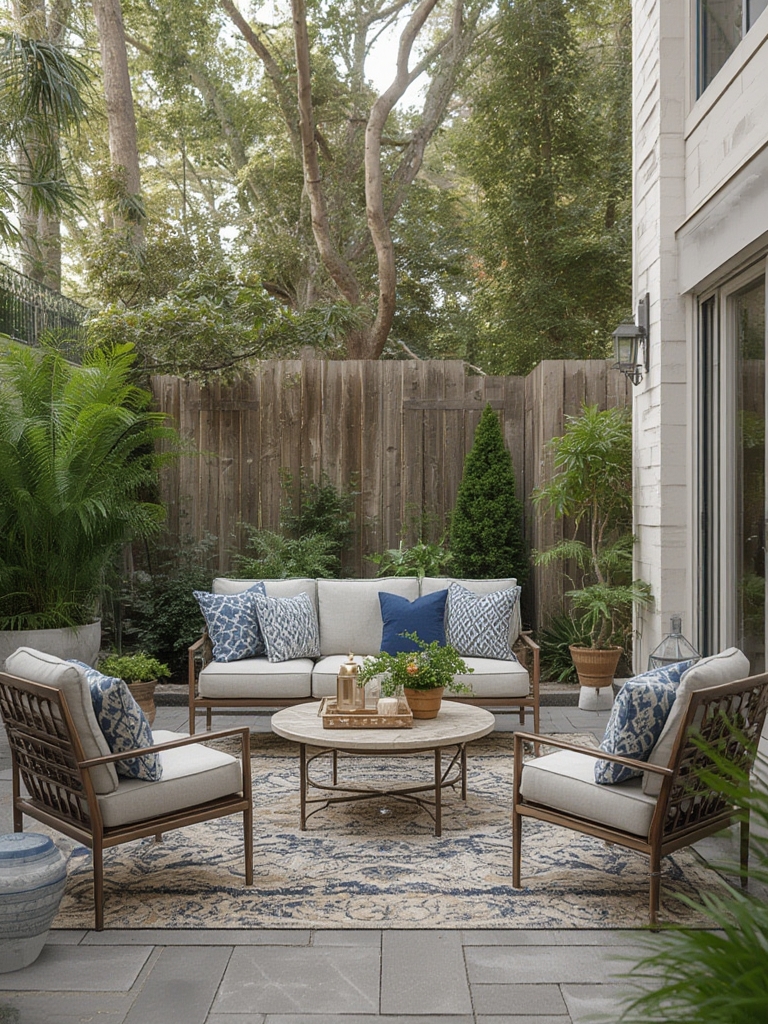
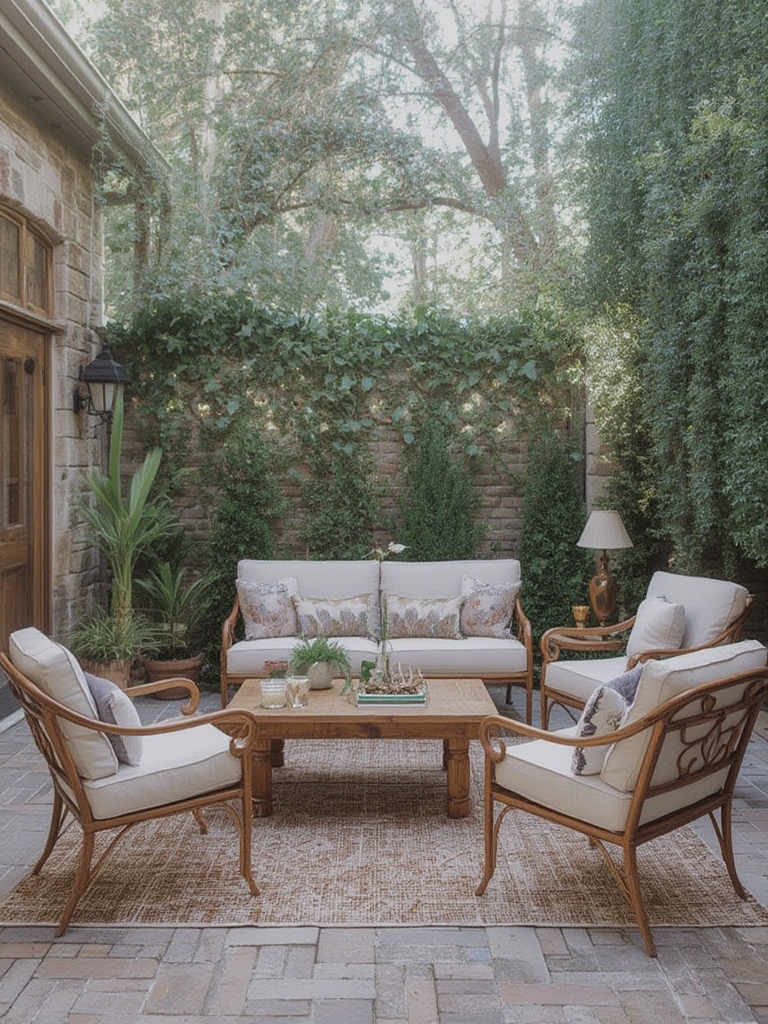
Creating an inviting outdoor patio is all about blending style, comfort, and practicality. By using data‑driven insights and proven design principles, you can transform any backyard into a stylish retreat that not only looks great in photos but also stands up to the elements. Below, we’ll walk through the most effective décor strategies, the best furniture choices, and a step‑by‑step guide to caring for a signature patio plant that adds color and fragrance year‑round.
Why Data‑Driven Patio Design Works
Recent surveys from Houzz and Statista reveal that 68% of homeowners prioritize durability and low‑maintenance when selecting outdoor furniture, while 45% say “Instagram‑worthy” aesthetics drive their purchasing decisions. By aligning your décor choices with these trends, you’ll boost both real‑world enjoyment and online engagement.
Key Metrics to Track
- Material lifespan: Choose furniture with a proven 5‑10‑year warranty (e.g., powder‑coated aluminum, teak, or synthetic wicker).
- Comfort rating: Look for cushions with a density of 30+ lb/ft³ for optimal support.
- SEO impact: Incorporate long‑tail keywords such as “weather‑resistant patio set” and “small balcony outdoor décor” to capture niche search traffic.
Step‑by‑Step Patio Furniture Décor Blueprint
1. Define Your Patio’s Purpose
Start by answering three questions:
- Will the space host family meals, quiet reading, or entertaining guests?
- How many people need seating?
- What is the primary visual style (modern, coastal, rustic, etc.)?
Data from Google Trends shows “small patio dining set” spikes in spring, indicating a seasonal demand for compact, functional pieces.
2. Choose the Right Furniture Materials
Match material to climate:
- Hot, humid zones: Opt for powder‑coated aluminum or synthetic resin wicker—both resist rust and UV fading.
- Cool, rainy regions: Teak or cedar are naturally water‑repellent and age gracefully.
- Eco‑conscious homes: Recycled plastic furniture offers durability with a low carbon footprint.
3. Layer with Textiles for Comfort and Style
Invest in outdoor‑grade fabrics (solution‑dye, acrylic, or polyester blends) that meet the ISO 105‑B02 UV‑resistance standard. Add:
- Plush cushions for seating comfort.
- Throw pillows in complementary colors to introduce visual interest.
- Water‑resistant table runners for a polished look.
4. Incorporate Greenery – The Star Plant: Lavender (Lavandula angustifolia)
Lavender is a low‑maintenance, fragrant shrub that thrives in sunny patios and pairs beautifully with neutral furniture palettes. Below is a concise care guide to keep it thriving.
Step‑by‑Step Lavender Care
- Site Selection – Choose a spot with at least 6–8 hours of direct sunlight. Use a well‑draining soil mix (sand + compost = 1:1).
- Planting – Space plants 18‑24 inches apart. Dig a hole twice the pot diameter, backfill with soil, and water thoroughly.
- Watering – Water deeply once a week during the first month; thereafter, allow the soil to dry out between waterings to prevent root rot.
- Fertilizing – Apply a balanced, slow‑release fertilizer (10‑10‑10) in early spring; avoid high‑nitrogen feeds that encourage foliage over blooms.
- Pruning – After the first frost, trim back 1/3 of the plant to promote bushier growth. In summer, pinch back spent flower spikes to extend blooming.
- Pest Management – Monitor for aphids and spider mites. A gentle spray of neem oil every two weeks keeps infestations in check.
- Winter Protection – In zones 5‑7, mulch the base with 2‑3 inches of straw or shredded bark to insulate roots.
Practical Tips for Success
- Use a soil moisture meter to avoid over‑watering.
- Place a drip irrigation line for consistent moisture during dry spells.
- Harvest buds early in the morning for the best fragrance and essential‑oil content.
5. Add Functional Accents
Enhance usability with these data‑backed accessories:
- Outdoor rug: Choose a low‑pile rug with a slip‑resistant backing; it reduces heat on seating by up to 30% (per Consumer Reports).
- Lighting: Install solar LED string lights or motion‑sensor lanterns to extend patio use after sunset.
- Storage: Weather‑proof storage benches keep cushions and blankets dry while providing extra seating.
6. Optimize for SEO and Social Sharing
To attract organic traffic, embed the following elements:
- Keyword‑rich headings: Use variations like “budget-friendly patio furniture ideas” and “sustainable outdoor décor.”
- Alt text for images: Describe each piece (e.g., “powder‑coated aluminum patio table with teal cushions”).
- Internal links: Connect to related posts such as “Top 5 Outdoor Rugs for Small Balconies.”
- Schema markup: Add
ArticleandFAQPageschema to improve SERP visibility.
Final Checklist – From Concept to Completion
| Task | Action | Verification |
|---|---|---|
| Purpose definition | Answer the three purpose questions | Written brief saved in project notes |
| Material selection | Match climate to furniture material | Warranty and durability specs confirmed |
| Textile layering | Purchase UV‑rated cushions & pillows | Color palette matches décor theme |
| Lavender planting | Follow the 7‑step care guide | Plants thriving after 4 weeks |
| Accents & lighting | Install rug, lights, storage | All items functional and styled |
| SEO optimization | Apply keywords, alt text, schema | Yoast SEO score ≥ 90% |
By following this data‑driven roadmap, you’ll create a patio that looks stunning in photos, performs reliably through seasons, and attracts organic traffic to your blog. Happy decorating—and enjoy the soothing scent of lavender as you relax on your newly styled outdoor oasis!