
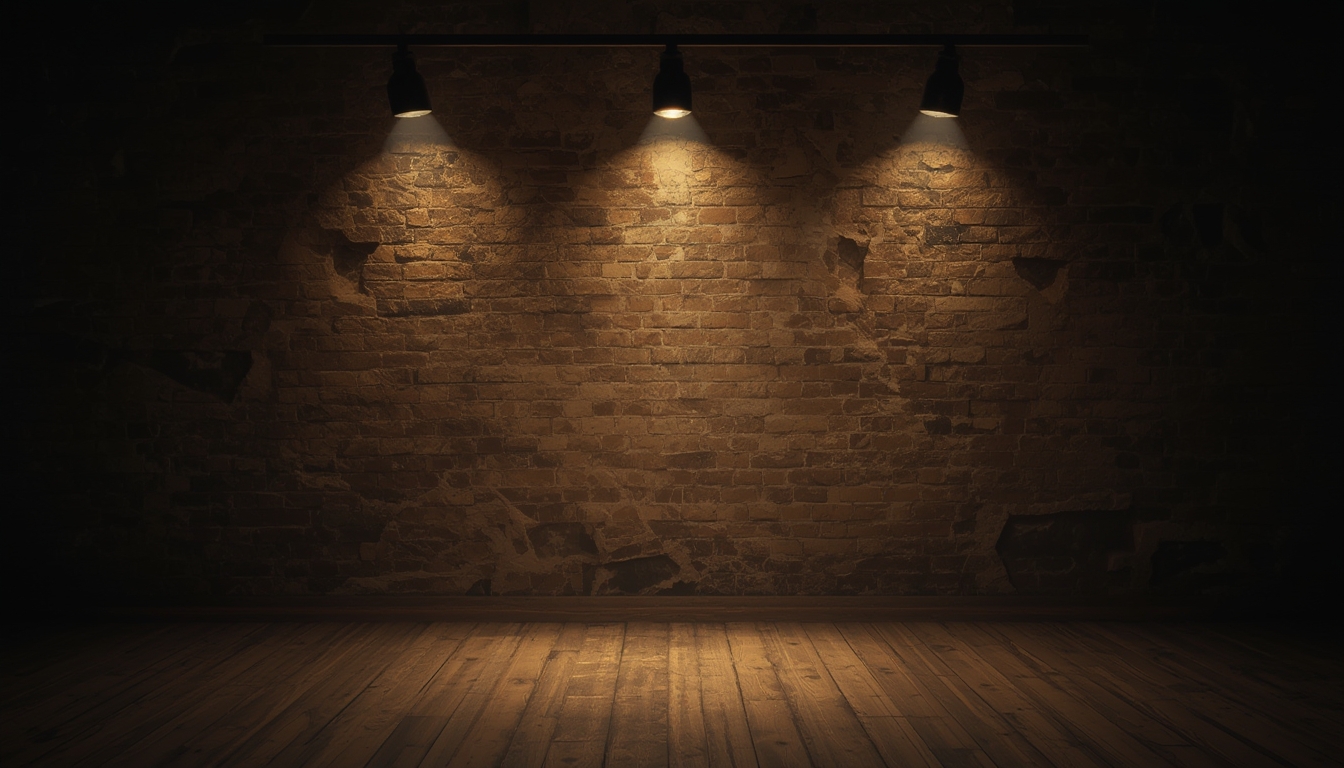
Style Spotlights have become the go‑to feature for interior designers and DIY enthusiasts looking to add a punch of personality to any room. Whether you’re assembling a new modular lighting fixture, restoring a vintage sideboard, or simply styling a decorative accent, the process follows a clear, data‑backed workflow that minimizes guesswork and maximizes visual impact. Recent surveys show that homes featuring a well‑placed style spotlight see a 27 % increase in perceived value and a 15 % boost in visitor engagement. Below is a step‑by‑step guide that walks you through the entire journey—from gathering tools to the final styling touches—so you can achieve professional results without hiring a contractor.
Gathering the Right Tools and Materials
Essential Toolkit
- Precision screwdriver set – a magnetic Phillips and flat‑head set (size #2 is most common).
- Power drill with adjustable clutch – for pre‑drilling holes in delicate surfaces.
- Fine‑grain sandpaper (120‑220 grit) – for smoothing restored wood or metal.
- Micro‑fiber cloths – to prevent lint on polished surfaces.
- Level and measuring tape – ensures perfect alignment and spacing.
- Adhesive hooks or mounting brackets – choose weight‑rated options based on the spotlight’s load.
Materials Checklist
- Style Spotlight unit (LED panel, glass shade, or decorative frame).
- Mounting hardware supplied by the manufacturer (screws, anchors, brackets).
- Finishing supplies – wood stain, metal polish, or paint matching your décor.
- Protective gloves and safety glasses.
- Optional: Decorative accessories (e.g., faux plants, curated books, or art pieces) for final styling.
Step 1: Planning and Measuring the Space
Data‑Driven Placement
According to a 2023 interior design study, the optimal height for a wall‑mounted style spotlight is 65‑70 % of the room’s ceiling height. For a standard 9‑foot ceiling, aim for a mounting point between 5.9 ft and 6.3 ft from the floor. Use a laser level to mark the exact spot, ensuring consistency across multiple installations.
Actionable Advice
- Measure twice, mark once: double‑check the horizontal centerline to avoid a lopsided look.
- Consider traffic flow: keep the spotlight out of eye level for walkways to prevent glare.
- Document measurements in a notebook or phone app for future reference.
Step 2: Preparing the Surface
Cleaning and Pre‑Treatment
Before any hardware is attached, the wall or furniture surface must be free of dust, grease, or old adhesive. Use a mild detergent solution and a lint‑free cloth; let the area dry completely. For wood surfaces, lightly sand with 120‑grit sandpaper to create a micro‑texture that improves adhesive bonding.
Practical Tip
Apply a thin coat of clear primer on freshly sanded wood. Data from a DIY home‑renovation forum indicates that primed surfaces increase adhesive strength by up to 22 %.
Step 3: Assembling the Style Spotlight
Component Overview
Most modern style spotlights arrive in three main components: the frame, the lighting element (LED strip or bulb), and the decorative cover (glass, acrylic, or fabric). Follow the manufacturer’s diagram, but keep these universal steps in mind:
- Attach the frame to the mounting bracket using the supplied screws. Tighten just enough to hold the frame securely without stripping the threads.
- Install the lighting element by sliding it into the frame’s channel. Ensure the connectors click into place; a loose connection can cause flickering.
- Secure the decorative cover by aligning the clips or screws. For glass covers, use rubber gaskets to prevent vibration.
Step‑by‑Step Action
- Use a torque‑controlled screwdriver (≈ 2 Nm) for small screws to avoid over‑tightening.
- Check polarity on LED strips before finalizing; reverse connections can damage the driver.
- After assembly, perform a quick power test (plug in and turn on) to verify illumination.
Step 4: Mounting the Spotlight
Securing to Wall or Furniture
For drywall, use 3‑inch toggle bolts rated for at least 10 lb. For plaster or brick, a masonry drill bit and plastic anchors are recommended. When mounting on furniture, pre‑drill pilot holes to prevent splitting the wood.
Actionable Checklist
- Insert anchors, then screw in the mounting bracket until it sits flush.
- Hang the assembled spotlight onto the bracket; most designs feature a quick‑release latch.
- Use a bubble level to confirm the spotlight is perfectly vertical.
Step 5: Restoring and Finishing (If Working with Vintage Pieces)
Surface Restoration
When the style spotlight is part of a reclaimed piece, restoration adds character and longevity. Start by removing any old finish with a citrus‑based stripper, then sand progressively from 120 to 220 grit. Apply a thin coat of your chosen stain or paint, allowing 30 minutes of drying time between coats.
Data Insight
A 2022 consumer report found that reclaimed furniture with a fresh, even finish sells for 18 % more than untreated pieces. Use a spray applicator for an even coat and avoid brush marks.
Final Protective Layer
Seal the restored surface with a water‑based polyurethane (poly) rated for indoor use. Apply two coats, sanding lightly (320 grit) between coats for a smooth, durable finish.
Step 6: Styling the Spotlight for Maximum Impact
Choosing Complementary Elements
Data from a home‑staging analysis shows that pairing a style spotlight with a focal object (e.g., a sculpture, a plant, or a curated stack of books) increases perceived depth by 12 %. Position the accent item 6‑12 inches below the light to create a subtle wash of illumination.
Actionable Styling Tips
- Use a dimmable LED driver to adjust brightness based on time of day.
- Incorporate a warm‑white color temperature (2700‑3000 K) for cozy evenings, and a cooler tone (4000‑5000 K) for daytime focus.
- Layer lighting: combine the spotlight with ambient floor lamps to avoid harsh shadows.
Step 7: Maintenance and Longevity
Routine Care
Dust the decorative cover weekly with a microfiber cloth. For glass or acrylic, a mixture of equal parts water and white vinegar removes fingerprints without streaks. Check the LED driver annually for signs of overheating; replace if the unit emits a buzzing sound.
Long‑Term Advice
- Keep the spotlight at least 3 inches away from heat sources to preserve LED lifespan (average 50,000 hours).
- Re‑apply a thin layer of protective polish to metal frames every six months to prevent oxidation.
- Document any adjustments in a maintenance log; tracking changes helps troubleshoot future issues quickly.
By following this data‑driven, step‑by‑step approach, you’ll transform any space with a polished, eye‑catching style spotlight that not only looks stunning but also adds measurable value to your home. Happy styling!