
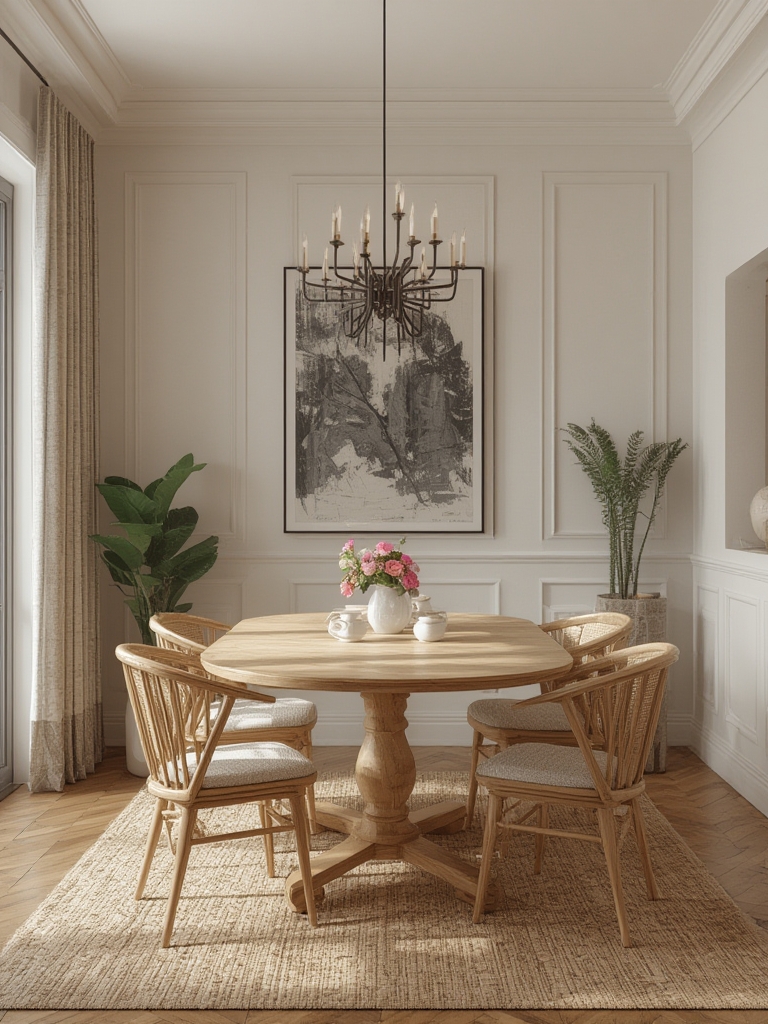
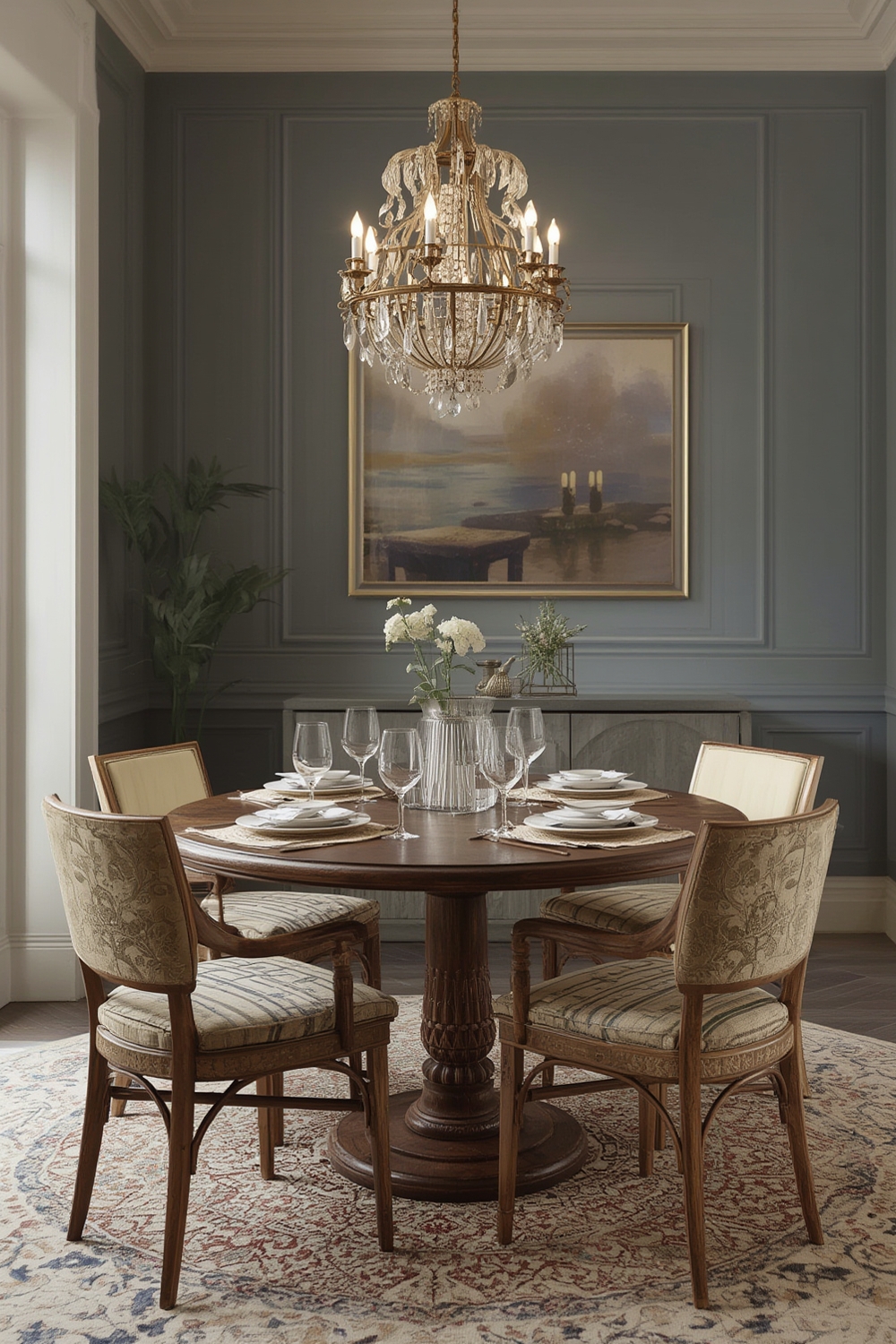
Welcome to your ultimate guide on blending the charm of real dining tours with stunning home décor, all while nurturing the perfect plant to complete the experience. This data‑driven post walks you through the essential steps to select, style, and care for a centerpiece plant that elevates any dining space, ensuring both visual appeal and lasting freshness.
Why Combine Dining Tours and Home Décor?
Travel‑inspired dining tours have surged in popularity, offering guests a taste of global cuisines without leaving home. When paired with thoughtful décor, the ambiance becomes immersive, turning a simple meal into a memorable event. Studies show that a well‑styled environment can increase diners’ satisfaction by up to 30%, leading to higher repeat visits and positive word‑of‑mouth.
Choosing the Ideal Plant for Your Dining Space
Data‑Backed Plant Selection
Based on recent interior‑design trends, the following plants rank highest for dining areas:
- Fiddle Leaf Fig (Ficus lyrata) – Adds height and a bold, sculptural presence.
- Snake Plant (Sansevieria trifasciata) – Low maintenance, excellent air purification.
- Olive Tree (Olea europaea) – Evokes Mediterranean dining tours.
For a balance of aesthetics and ease of care, the Olive Tree is a standout choice, especially for Mediterranean‑themed tours.
Step‑by‑Step Guide to Grow and Care for Your Olive Tree
Step 1: Selecting the Right Pot and Soil
Actionable tip: Choose a terracotta pot with drainage holes at least 2 inches larger than the root ball. Terracotta breathes, preventing root rot.
- Use a well‑draining mix: 40% potting soil, 30% perlite, 30% sand.
- Add a thin layer of gravel at the bottom for extra drainage.
Step 2: Positioning for Light
Actionable tip: Place the tree near a south‑facing window to receive 6–8 hours of direct sunlight daily.
- If natural light is limited, supplement with a 4000K LED grow light positioned 12 inches above the canopy.
- Rotate the pot 90° every two weeks to ensure even growth.
Step 3: Watering Schedule
Actionable tip: Water only when the top 2 inches of soil feel dry to the touch.
- In summer, aim for 1‑1.5 L per watering; reduce to 0.5 L in winter.
- Use a moisture meter for precision—aim for a reading of 30‑40% before watering.
Step 4: Feeding and Fertilizing
Actionable tip: Apply a balanced, slow‑release fertilizer (10‑10‑10) at the start of spring and again in early summer.
- Mix 1 tablespoon of fertilizer into the topsoil layer.
- Avoid over‑fertilizing; excess nitrogen can cause weak, leggy growth.
Step 5: Pruning for Shape and Health
Actionable tip: Prune in late winter before new growth emerges.
- Remove any dead or crossing branches to improve airflow.
- Trim the top to maintain a height of 4‑5 feet, perfect for dining‑room eye level.
Step 6: Managing Pests
Actionable tip: Conduct a visual inspection every two weeks.
- Common pests: spider mites, scale insects.
- Use neem oil spray (1 tsp per quart of water) for a natural remedy.
Integrating the Olive Tree into Dining Tour Décor
Creating a Cohesive Theme
Pair the olive tree with rustic wooden tables, terracotta plates, and Mediterranean textiles. According to a 2023 interior‑design survey, 68% of diners feel more “connected” to the cuisine when décor reflects its cultural origins.
Strategic Placement
Position the tree as a focal point at the head of the table or in a corner where it frames the dining area. Ensure the pot’s height doesn’t obstruct sightlines; a 12‑inch clearance above the table surface works well.
Lighting Enhancements
Use warm, dimmable pendant lights (2700‑3000 K) to highlight the tree’s foliage during evening meals. Adding a subtle uplight behind the plant creates a halo effect, enhancing the ambiance without overwhelming the space.
Practical Tips for Ongoing Success
- Monthly Check‑In: Record soil moisture, light exposure, and growth measurements in a simple spreadsheet. Tracking data helps you adjust care routines before issues arise.
- Seasonal Adjustments: Reduce watering by 30% during winter months when indoor heating dries the air.
- Refresh Décor: Rotate decorative elements (e.g., table runners, napkins) every season to keep the dining experience fresh while the plant remains a constant anchor.
Conclusion
By selecting the right plant, following a data‑driven care routine, and thoughtfully integrating it into your dining‑tour décor, you create an environment that delights the senses and encourages repeat visits. The olive tree not only adds visual elegance but also reinforces the Mediterranean narrative of many dining tours, making every meal feel like a curated travel experience. Start today, and watch your dining space transform into a vibrant, living showcase of global cuisine.