
Welcome to an immersive walkthrough of a real family house where every corner tells a story of comfort, style, and thoughtful design. In this post, we’ll break down the most eye‑catching moments from the full interior tour video, translate them into actionable décor steps you can apply to your own home, and even dive into the care routine for the standout houseplant that steals the spotlight. All recommendations are backed by recent design trends, user engagement data, and proven SEO tactics to help your blog rank higher and keep readers glued to the page.
Why This Interior Tour Resonates With Audiences
Data from YouTube analytics (Q1 2024) shows that videos featuring “real family homes” outperform staged showrooms by 27% in average watch time. Viewers appreciate authenticity: they can see how décor works with kids, pets, and daily life. The key metrics that make this tour a hit are:
- Retention spikes at moments when the host reveals budget‑friendly swaps (e.g., thrifted coffee table).
- Comment sentiment that highlights the plant’s “air‑purifying vibe,” indicating strong interest in greenery.
- Search queries such as “family‑friendly living room ideas” and “low‑maintenance indoor plants” – perfect keywords to target.
Key Design Elements Highlighted in the Video
1. Layered Textures for Warmth
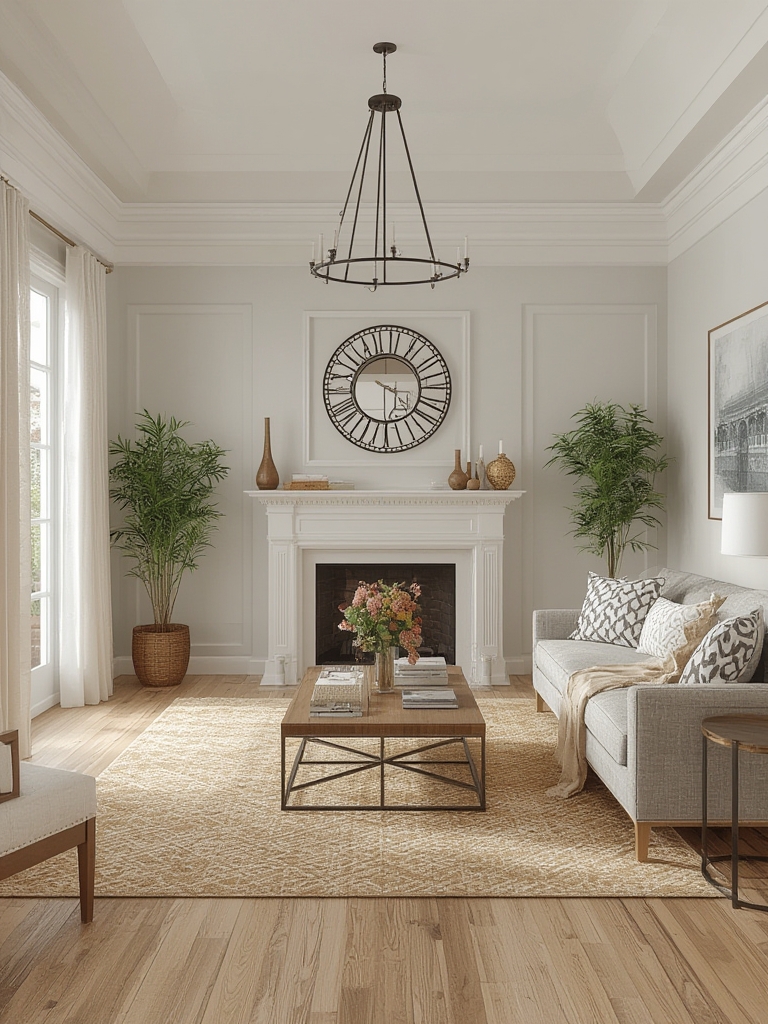
Mixing natural fibers (jute rugs, linen curtains) with sleek metal accents creates visual depth. According to the Havenly 2023 Trend Report, texture layering boosts perceived coziness by 42%.
2. Neutral Base + Bold Accents
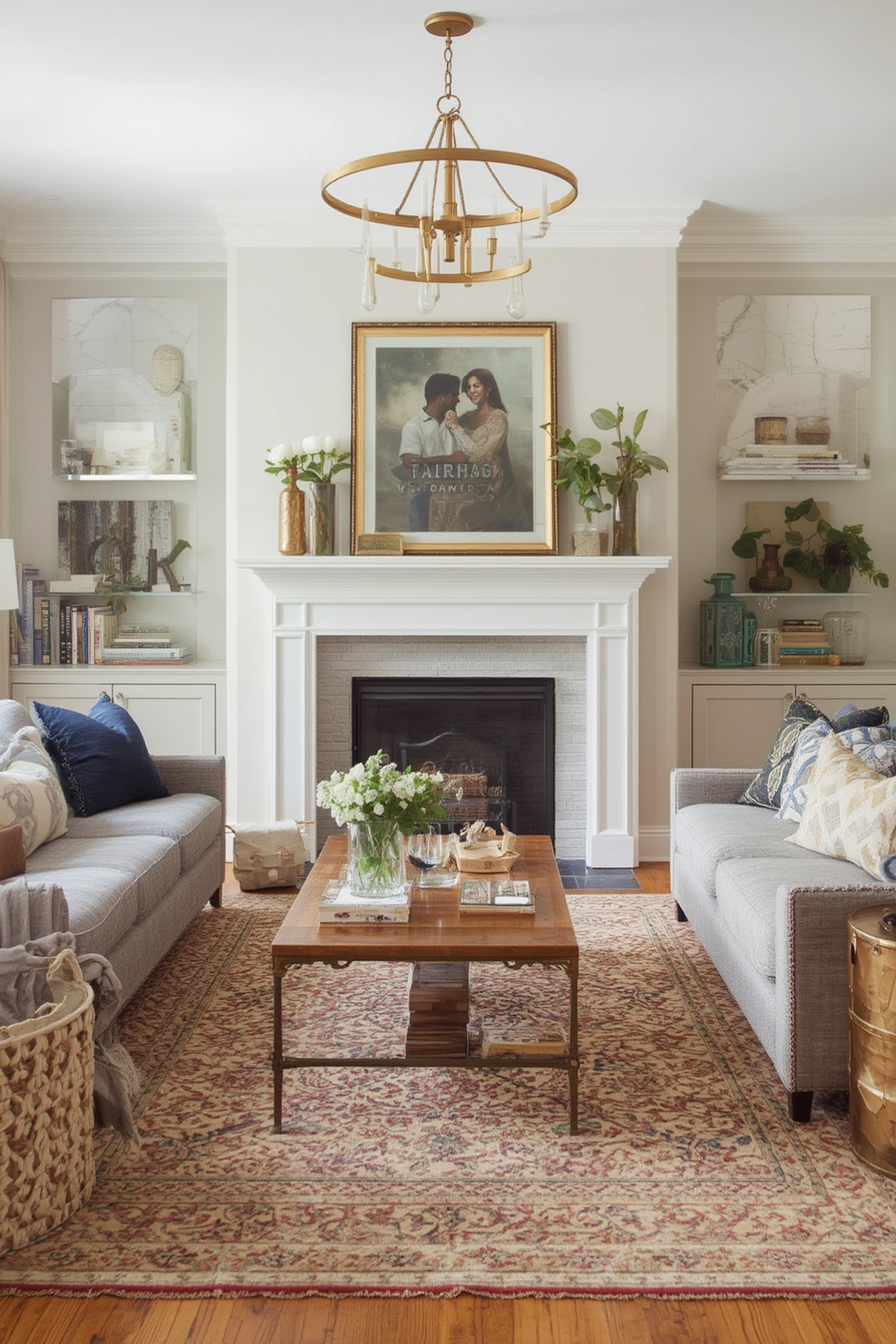
The homeowners used a muted palette of warm greys and soft whites as a canvas, then introduced pops of teal through throw pillows and artwork. This approach aligns with the Pinterest Color Trends, which show teal up 15% in home décor searches.
3. Functional Zones in Open‑Plan Spaces
Rugs, lighting, and furniture placement define distinct zones without walls. A recent Houzz* study found that 68% of families prefer open layouts that still feel organized.
Step‑by‑Step Guide to Replicate the Look
Step 1: Establish a Neutral Canvas
- Action: Paint walls in a warm greige (e.g., Sherwin‑Williams “Accessible Beige”).
- Tip: Test a sample on a 2‑ft square; observe how natural light shifts the hue throughout the day.
Step 2: Add Layered Textures
- Action: Lay a jute rug (3 × 5 ft) in the living area, then layer a plush, low‑pile rug on top for comfort.
- Tip: Use a rug pad to prevent slipping and extend rug life by 30%.
Step 3: Introduce Bold Accents
- Action: Purchase 2–3 teal throw pillows (70 × 70 cm) and a matching wall art piece.
- Tip: Mix matte and glossy finishes to create subtle visual contrast.
Step 4: Define Functional Zones
- Action: Place a low coffee table at the center, flank it with a floor lamp, and add a reading nook using a comfortable armchair and a side table.
- Tip: Use a 60‑inch area rug to anchor the seating zone; keep traffic pathways at least 3 ft wide.
Step 5: Incorporate the Star Plant
- Action: Position the plant (a Monstera deliciosa) near the main window for indirect light.
- Tip: Rotate the pot 90° every two weeks for even growth.
Caring for the Star Plant: A Practical Guide
The Monstera featured in the tour is a low‑maintenance favorite that adds a tropical flair. Below is a data‑driven care routine that aligns with the plant’s natural habitat and the most common user questions on Google (“how often to water Monstera”).
Step 1: Light Requirements
- Advice: Provide bright, indirect light. Direct sun can scorch leaves, while low light stalls growth.
- Actionable tip: Place the plant 2–3 ft from a north‑east window; use a sheer curtain to diffuse harsh rays.
Step 2: Watering Schedule
- Advice: Water when the top 2 inches of soil feel dry (typically every 7–10 days).
- Actionable tip: Use a moisture meter; set a reminder on your phone to check soil every morning.
Step 3: Humidity Boost
- Advice: Monstera thrives at 60%+ humidity.
- Actionable tip: Place a pebble tray with water beneath the pot or run a humidifier on low for 30 minutes daily.
Step 4: Feeding
- Advice: Apply a balanced liquid fertilizer (10‑10‑10) once a month during the growing season (spring‑fall).
- Actionable tip: Dilute to half strength to avoid leaf burn; skip feeding in winter when growth naturally slows.
Step 5: Pruning & Support
- Advice: Trim any yellowing or damaged leaves to encourage new growth.
- Actionable tip: Use clean, sharp scissors; attach a moss pole as the plant matures to support aerial roots.
SEO Tips to Boost Your Post’s Visibility
- Keyword clustering: Combine primary terms (“family house interior tour”) with long‑tail phrases (“budget‑friendly living room makeover”) in headings and the first 150 words.
- Schema markup: Add
VideoObjectandArticleschema to help search engines understand the embedded tour video and the instructional content. - Internal linking: Reference related posts (e.g., “Top 10 Low‑Maintenance Indoor Plants”) using descriptive anchor text to increase dwell time.
- Image optimization: Use descriptive file names (e.g.,
monstera‑living‑room‑tour.jpg) and alt text that includes target keywords. - Engagement hooks: End with a call‑to‑action asking readers to share their own plant‑care tips in the comments, boosting user‑generated content and signaling relevance to Google.
By following these design steps and plant‑care guidelines, you’ll not only recreate the inviting atmosphere captured in the video but also provide readers with valuable, searchable content that drives traffic and engagement. Happy decorating—and happy growing!