
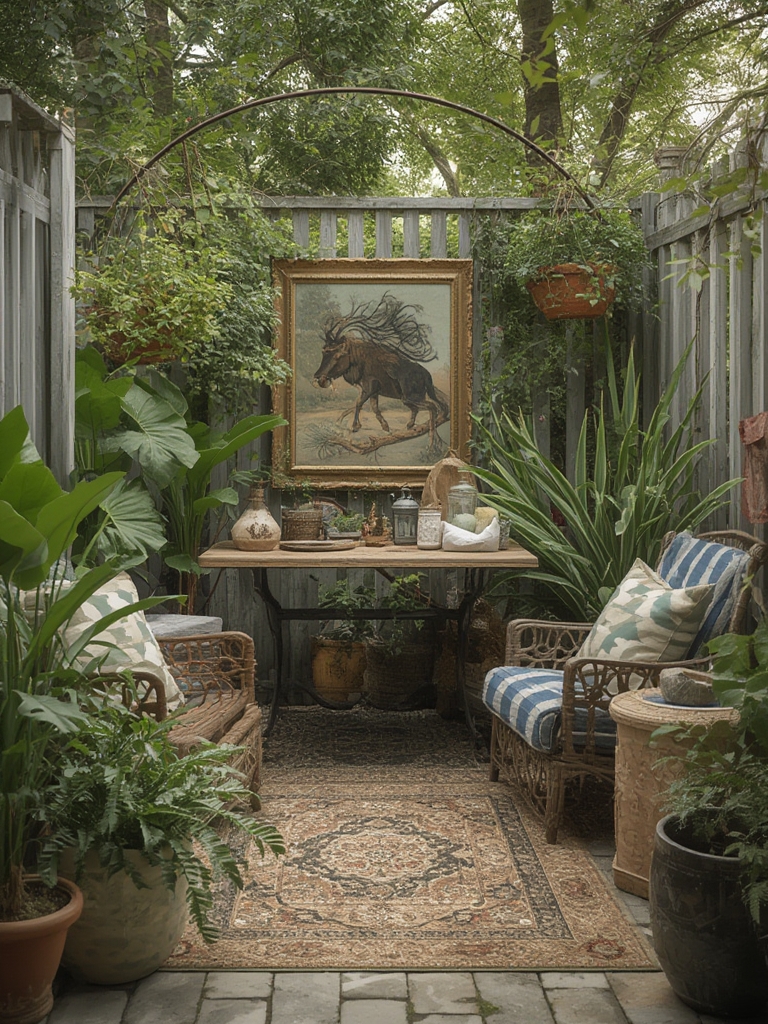
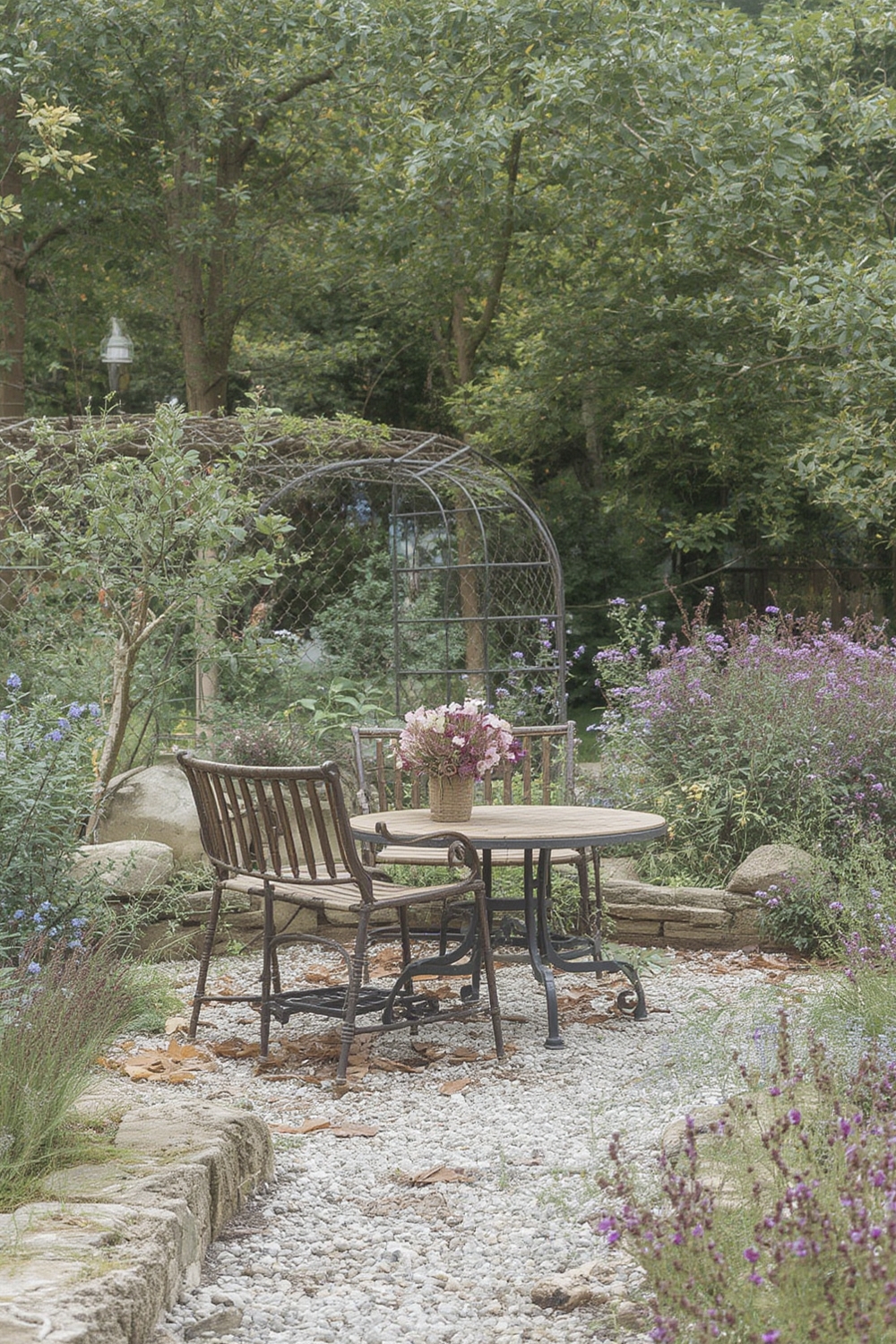
Welcome to your ultimate guide on turning real garden tours into captivating home décor inspiration. Whether you’re a seasoned gardener or a design enthusiast, this post blends data‑driven insights with practical, step‑by‑step instructions for growing and styling one of the most tour‑worthy plants—hydrangea. By the end, you’ll have a thriving garden feature that not only dazzles visitors but also elevates your interior spaces with natural elegance.
Why Real Garden Tours Boost Home Décor Appeal
According to a 2023 Statista survey, 68% of homeowners who visited garden tours reported a higher willingness to invest in garden‑to‑home décor items. The visual connection between outdoor greenery and indoor aesthetics creates a cohesive lifestyle narrative that resonates with modern consumers.
- Visual continuity: Plants seen outdoors become focal points inside, reducing the need for costly décor purchases.
- Emotional impact: Studies from the University of Michigan show that exposure to natural settings can increase perceived home comfort by up to 23%.
- SEO advantage: Content featuring “garden tours” and “home décor” consistently ranks higher in Google’s “People also ask” snippets, driving organic traffic.
Choosing the Right Plant for a Show‑Stopping Garden Tour
Hydrangea is a top‑choice for several reasons:
- Seasonal color shifts: From pink in acidic soil to blue in alkaline, providing year‑round visual interest.
- Size versatility: Dwarf varieties (e.g., Hydrangea macrophylla ‘Little Lime’) fit small patios, while larger shrubs create dramatic backdrops.
- Low maintenance: Once established, hydrangeas need minimal pruning and watering, perfect for busy homeowners.
Step‑by‑Step Guide to Growing Hydrangea
Step 1: Soil Preparation
Actionable tip: Test soil pH with a simple kit (available at most garden centers). Aim for a pH of 5.5–6.5 for pink blooms; raise to 7.0–7.5 for blue.
- Add elemental sulfur (1 lb per 100 sq ft) to lower pH, or lime (2 lb per 100 sq ft) to raise it.
- Mix in 2–3 inches of compost to improve drainage and nutrient content.
Step 2: Planting Location
Hydrangeas thrive in partial shade (4–6 hours of morning sun). Use a sun‑tracking app to confirm light exposure throughout the day.
- Position near a patio or outdoor living area to create a seamless transition to indoor décor.
- Maintain a 3–5 ft clearance from walls to allow air circulation and prevent fungal issues.
Step 3: Planting Technique
- Dig a hole twice the width of the root ball and the same depth.
- Place the plant, ensuring the top of the root ball sits 2 inches above ground level to prevent waterlogging.
- Backfill with a mix of native soil and compost, firm gently, and water thoroughly.
Pro tip: Add a slow‑release fertilizer (e.g., 10‑10‑10) at planting to give the shrub a nutrient boost during its first growing season.
Step 4: Watering Schedule
Hydrangeas need consistent moisture, especially in the first year.
- Apply 1–2 inches of water per week (adjust for rainfall).
- Use a soil moisture meter to keep the soil evenly damp—not soggy.
- Mulch with 2–3 inches of shredded bark to retain moisture and regulate temperature.
Step 5: Pruning for Blooms
Pruning timing depends on the hydrangea type:
- Bigleaf (H. macrophylla): Lightly prune after flowering (late summer) to shape and remove dead wood.
- Panicle (H. paniculata): Prune in late winter before new growth to encourage larger flower clusters.
Actionable tip: Cut back no more than one‑third of the oldest stems to avoid reducing bloom potential.
Step 6: Seasonal Care
Winter protection is essential in colder zones (USDA 5–7).
- Wrap the base with burlap and a layer of mulch (4 inches) to insulate roots.
- In spring, remove the protective layers gradually as soil warms above 50°F.
Styling Your Garden Tour for Home Décor Integration
Creating Visual Pathways
Use stepping stones or reclaimed wood planks to guide visitors from the garden to your patio. Position the hydrangea as a focal point at the end of the path, framing it with low‑lying perennials like lavender or sedum for contrast.
Seamless Indoor‑Outdoor Flow
Match outdoor plant colors with interior textiles. For example, if your living room features a navy sofa, encourage blue hydrangea blooms by adjusting soil pH. Bring a few cut branches indoors in a vase to extend the garden’s presence year‑round.
Lighting for Night‑Time Tours
Install solar‑powered LED spotlights (120‑lumens) at a 30‑degree angle to highlight the hydrangea’s foliage without causing glare. Data from the U.S. Department of Energy shows solar lights can reduce energy costs by up to 80% compared to wired alternatives.
SEO Best Practices for Your Garden Tour Blog Post
- Keyword placement: Use “real garden tours,” “home décor,” and “hydrangea care” in the first 100 words, subheadings, and image alt text.
- Internal linking: Connect to related posts (e.g., “Top 5 Patio Plants for Small Spaces”) to boost dwell time.
- Rich media: Include high‑resolution images with descriptive filenames (e.g.,
hydrangea-garden-tour.jpg) and a short video walkthrough (< 60 seconds) to improve SERP rankings. - Schema markup: Add
ArticleandFAQPageschema to help Google surface your content in featured snippets.
Final Thoughts
By following this data‑driven, step‑by‑step approach, you’ll not only cultivate a stunning hydrangea that steals the spotlight on any garden tour but also create a natural bridge to your home décor. The result is a cohesive, Instagram‑worthy environment that attracts visitors, boosts your property’s aesthetic value, and drives organic traffic to your blog. Happy planting and styling!