
Real home tours have become a powerful way to showcase a property’s character, design choices, and livability. Whether you’re a homeowner, real‑estate agent, or interior‑design enthusiast, creating a polished, engaging tour can boost interest and help viewers imagine themselves in the space. This guide walks you through every stage—planning, staging, filming, editing, and publishing—so you can assemble a professional‑looking tour without hiring a production crew. Follow the step‑by‑step instructions, gather the recommended tools, and apply the actionable tips to ensure each phase runs smoothly and delivers a high‑quality result.
1. Planning Your Real Home Tour
Define the Tour’s Purpose and Audience
- Goal identification: Are you selling, renting, or simply sharing design inspiration? Clarify the primary objective to shape the narrative.
- Target audience: Families, millennials, luxury buyers, or DIY enthusiasts each respond to different visual cues and storytelling angles.
Create a Shot List
- Walk through each room and note key features (e.g., vaulted ceilings, custom cabinetry, natural light).
- Prioritize high‑impact spaces: entryway, kitchen, master suite, and any unique amenities.
- Assign a brief description for each shot (e.g., “wide‑angle view of the open‑plan kitchen with island”).
Schedule and Permissions
- Pick a day with optimal natural lighting—mid‑morning or late afternoon often provides soft, even illumination.
- Obtain any necessary permissions from homeowners, tenants, or building management.
- Confirm that pets and clutter are removed or hidden for a clean visual presentation.
2. Preparing the Space (Staging & Styling)
Declutter and Deep Clean
- Remove personal items (photos, paperwork) that can distract viewers.
- Use a microfiber cloth, vacuum with HEPA filter, and a gentle all‑purpose cleaner to achieve a spotless look.
- Pay special attention to reflective surfaces—wipe mirrors, windows, and stainless steel to avoid glare.
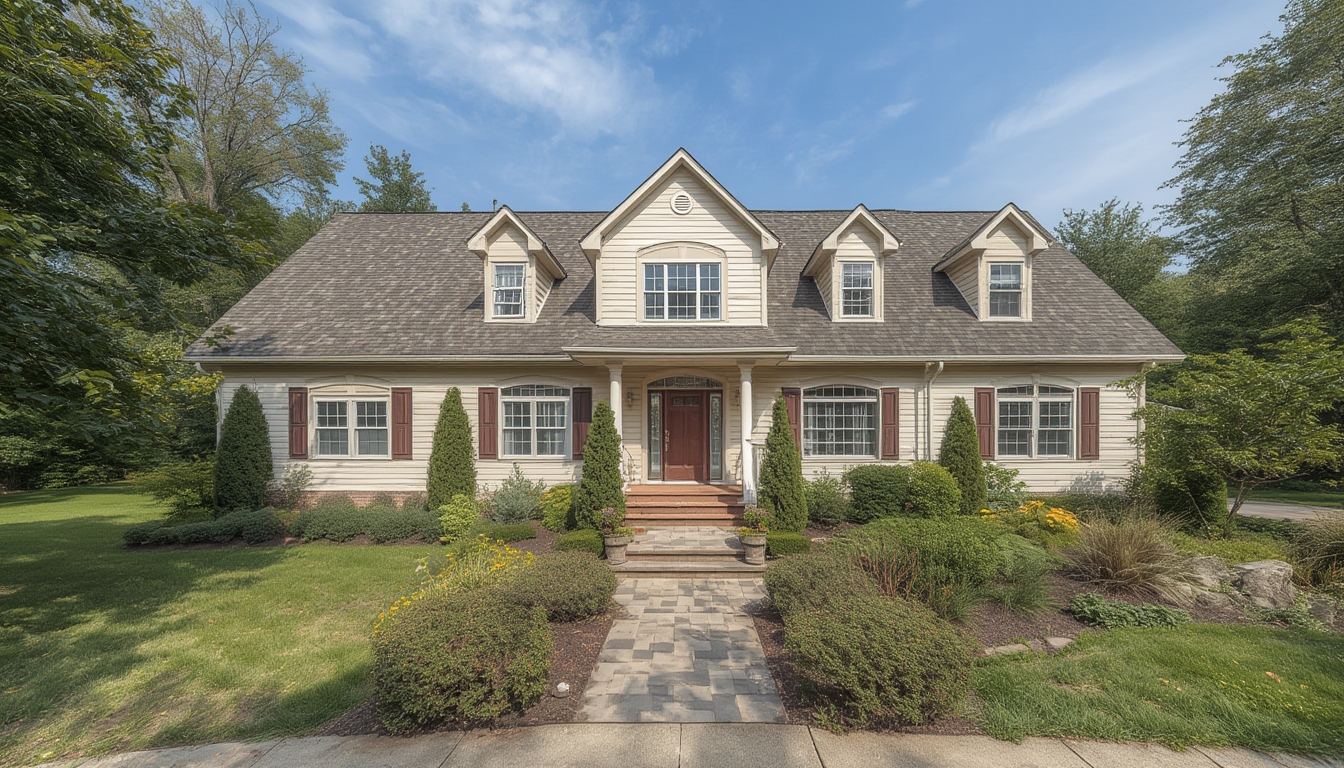
Enhance Curb Appeal
- Place a fresh doormat, add potted plants, and ensure the front door is polished.
- Consider a temporary seasonal décor (e.g., a vase of fresh flowers) to add color without overwhelming the space.
Furniture Arrangement for Flow
- Arrange furniture to create clear pathways; avoid blocking natural traffic routes.
- Use lightweight accent pieces (throw pillows, rugs) that can be repositioned easily for different shots.
- Maintain a consistent style theme—modern, rustic, or eclectic—to reinforce the property’s identity.
Lighting Enhancements
- Turn on all ambient lights, add floor lamps in darker corners, and use LED bulbs with a color temperature of 2700‑3000 K for a warm feel.
- Employ a portable soft‑box or ring light to fill shadows in key areas like the kitchen island or bathroom vanity.
3. Equipment Checklist
- Camera: Mirrorless (e.g., Sony A7 IV) or high‑resolution smartphone with gimbal stabilization.
- Lenses: Wide‑angle (14‑24 mm) for interior spaces; a 35 mm prime for detail shots.
- Tripod: Fluid‑head tripod for smooth pans and stable static shots.
- Gimbal or Stabilizer: DJI Osmo Mobile or handheld gimbal for walkthroughs.
- Audio: Shotgun mic (Rode VideoMic Pro) for voice‑over or on‑site narration.
- Lighting: Portable LED panels (Aputure Amaran) and diffusion material.
- Software: Adobe Premiere Pro or DaVinci Resolve for editing; Lightroom for color correction.
4. Filming the Tour
Set Up Camera Settings
- Resolution: 4K at 30 fps for crisp detail and flexibility in post‑production.
- Aperture: f/4‑f/5.6 to maintain depth of field while keeping most of the room in focus.
- ISO: Keep as low as possible (100‑400) to reduce noise; raise only if lighting is insufficient.
- White Balance: Use a custom Kelvin setting (typically 3200‑5600 K) based on ambient light.
Techniques for Smooth Walkthroughs
- Use a gimbal and walk at a steady pace (about 1 m/s). Keep the camera level and avoid sudden turns.
- Start each room with a wide establishing shot, then transition to close‑ups of unique features.
- Maintain a consistent focal length throughout the tour to avoid visual distortion.
Capture Detail Shots
- Zoom in on hardware, textures, and finishes—door handles, countertop grain, tile patterns.
- Use a macro lens or the camera’s macro mode for close‑up clarity.
- Record a short 5‑second clip of each detail to intersperse with the main walkthrough.
Audio and Narration
- Record a concise voice‑over describing each space’s highlights (e.g., “The kitchen features a quartz waterfall island with under‑cabinet lighting”).
- Use a pop filter to minimize plosives and ambient noise.
- If filming on location, capture ambient sounds (soft footsteps, distant street noise) for a realistic feel.
5. Post‑Production Workflow
Organize Footage
- Create folders: “Raw Footage,” “Audio,” “B‑Roll,” and “Exports.”
- Rename clips with descriptive tags (e.g., “Kitchen_Wide_01”).
Editing Sequence
- Rough Cut: Assemble the walkthrough in chronological order, trimming excess pauses.
- Insert B‑Roll: Overlay detail shots to break monotony and emphasize features.
- Color Grade: Apply a neutral LUT, then adjust exposure, contrast, and saturation to match the home’s true colors.
- Audio Sync: Align voice‑over with visual cues; add background music at a low volume (≈‑20 dB) for ambience.
- Transitions: Use simple cross‑dissolves (0.5 s) for smooth room changes; avoid flashy effects that distract.
Export Settings
- Format: MP4 (H.264 codec) for broad compatibility.
- Resolution: 3840 × 2160 (4K) at 30 fps.
- Bitrate: 25‑35 Mbps for high quality without excessive file size.
6. Publishing on WordPress
Upload and Optimize Video
- Host the video on YouTube or Vimeo for faster streaming; embed the player using the “Embed” block.
- Add a custom thumbnail that showcases the home’s most striking angle.
Compose the Post Content
- Begin with a brief introduction (2‑3 sentences) that sets the scene and mentions the property’s key selling point.
- Insert the embedded video directly after the intro.
- Follow with a series of
<h2>sections (e.g., “Living Room Highlights,” “Kitchen Features”) and<h3>subsections for specific details. - Use unordered lists for quick bullet points (e.g., “• Quartz countertop,” “• Built‑in pantry”).
Call‑to‑Action (CTA)
- End the post with a clear CTA: “Schedule a private showing,” “Contact us for more details,” or “Download the floor plan.”
- Place a contact form shortcode or a button linked to your CRM.
7. Practical Tips for Success
Maintain Consistency
- Use the same lighting temperature and camera settings throughout the shoot to avoid noticeable shifts.
- Keep the narration tone friendly and informative; avoid overly salesy language.
Test Before Full Production
- Film a short 30‑second test segment in one room; review for exposure, focus, and audio clarity.
- Adjust equipment (e.g., add a diffuser or reposition a light) based on the test results.
Backup Your Files
- Immediately copy raw footage to an external SSD and a cloud storage service (Google Drive, Dropbox).
- Label backups with the date and project name to avoid confusion later.
Engage Viewers with Interactive Elements
- Include clickable hotspots in the video (using YouTube’s “Cards” or Vimeo’s “Interactive” features) that link to floor plans or additional photos.
- Add a short questionnaire at the end of the post to capture viewer interest and contact information.
By following these structured steps—planning, staging, filming, editing, and publishing—you’ll create a compelling real home tour that highlights each space’s unique qualities while providing a seamless viewing experience. The combination of thoughtful preparation, the right tools, and meticulous post‑production ensures that your audience can virtually walk through the property with confidence and enthusiasm.