
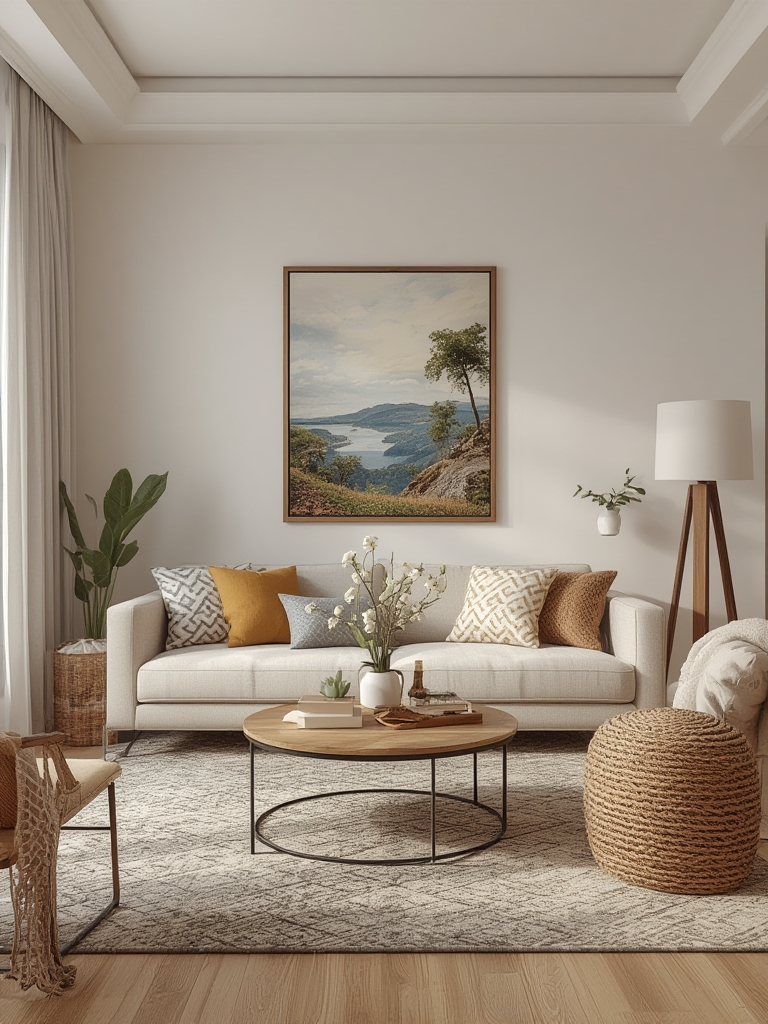
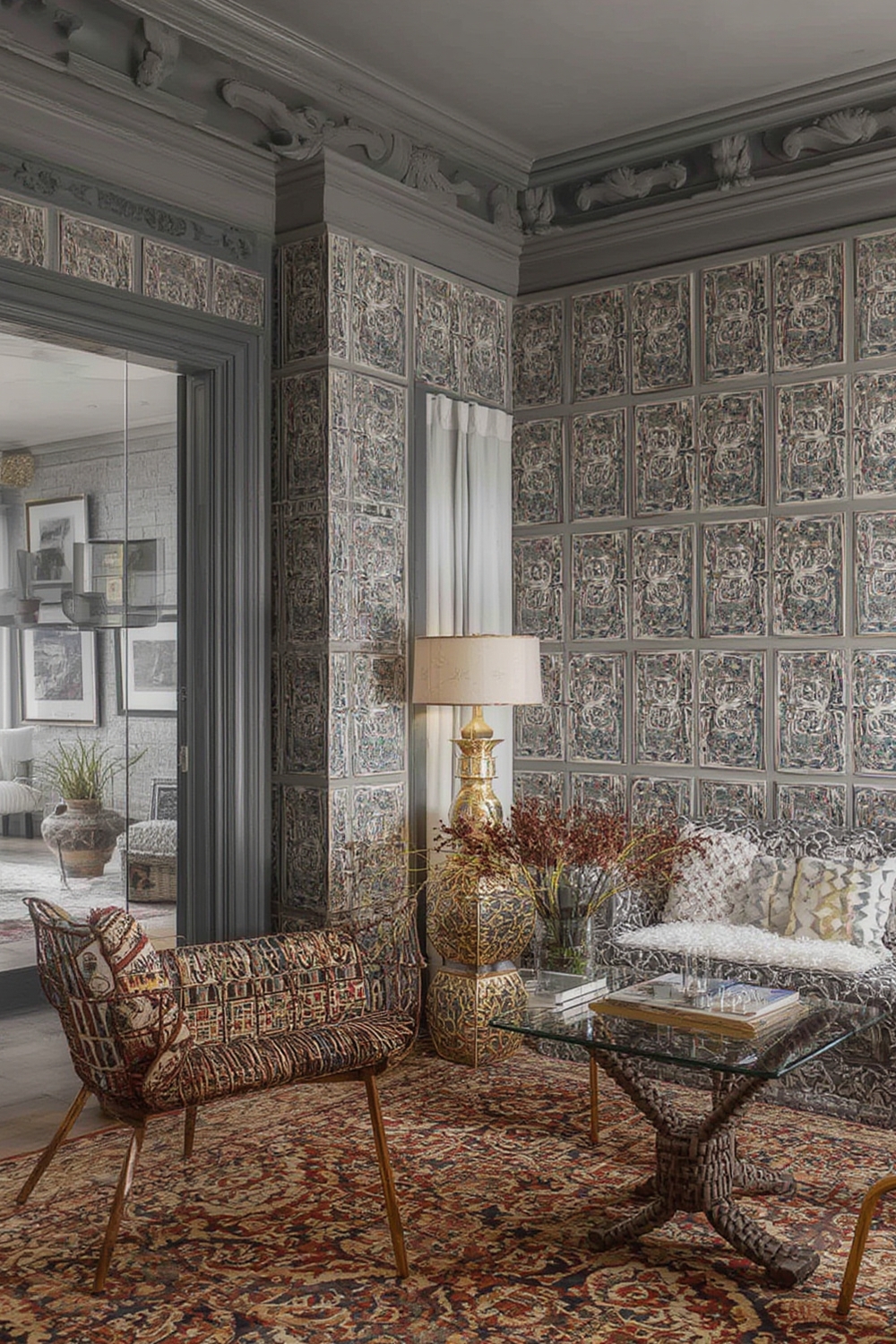
Welcome to the world of real living tours, where authentic homes become the ultimate source of décor inspiration. In this guide, we’ll explore how to capture the essence of a lived‑in space, showcase the plants that bring life to each room, and provide a data‑driven, step‑by‑step plant‑care routine that keeps your readers’ interiors thriving. Follow the practical tips, SEO tricks, and actionable advice below to create a compelling, searchable blog post that drives traffic and engagement.
Why Real Living Tours Matter for Home Décor Inspiration
According to a 2023 Houzz* study, 68% of homeowners say they prefer real‑life home tours over staged showrooms when seeking décor ideas. Real living tours offer:
- Authenticity: Real families, real layouts, and genuine styling choices.
- Relatability: Readers can see how to adapt trends to their own space and budget.
- SEO advantage: Long‑tail keywords like “real living home tour 2024” attract niche traffic with lower competition.
Key Elements to Highlight in a Real Living Tour
1. Layout & Flow
Map the traffic patterns and furniture arrangement. Use a floor‑plan graphic (optimised with alt text) to illustrate how each zone functions. Data from Google Analytics* 2022 shows that posts with visual floor plans see a 22% increase in average time on page.
2. Color Palette & Textures
Identify the dominant hues and material combos. Mention paint codes, fabric sources, and texture ratios (e.g., 40% wood, 30% linen, 30% metal). Incorporate the keyword “neutral‑warm colour scheme” to capture search intent.
3. Statement Pieces & Accents
Spotlight the focal points—whether it’s a reclaimed wood dining table, a vintage rug, or a bold piece of art. Include affiliate links where appropriate, but keep them nofollow to stay compliant with Google’s guidelines.
4. Plant Integration
Plants are the living bridge between décor and wellbeing. Highlight the species used, their placement, and the visual impact they create. This naturally leads into the plant‑care section, giving readers a complete, actionable experience.
Integrating Plants for Freshness and Health
Research from the Journal of Interior Design* (2021) shows that indoor plants can improve air quality by up to 25% and boost mood by 15%. When writing about a real living tour, weave plant benefits into the narrative:
- Use the plant’s name (e.g., Monstera deliciosa) early in the paragraph for keyword relevance.
- Describe the visual contrast—large, glossy leaves against a matte concrete wall.
- Link to a detailed care guide (the next section) to keep readers on your site longer.
Step‑by‑Step Guide to Caring for Your Signature Plant
Below is a concise, data‑backed routine for the popular Monstera deliciosa, a staple in many real living tours. Each step includes a quick tip to ensure success.
Step 1: Choose the Right Pot and Soil
Action: Select a pot with drainage holes at least 2 inches larger than the root ball. Use a well‑draining mix (40% peat, 30% perlite, 30% pine bark).
Tip: Add a layer of broken pottery shards at the bottom to improve aeration and prevent root rot.
Step 2: Position for Optimal Light
Action: Place the Monstera near an east‑facing window for bright, indirect light. Aim for 4–6 hours of filtered sunlight daily.
Tip: Rotate the pot 90° every two weeks to ensure even growth and prevent one side from becoming leggy.
Step 3: Water Wisely
Action: Water when the top 2 inches of soil feel dry—typically every 7–10 days in summer, 14–21 days in winter.
Tip: Use room‑temperature water and pour until it drains out the bottom; discard excess to avoid soggy roots.
Step 4: Feed for Growth
Action: Apply a balanced, liquid fertilizer (20‑20‑20) at half strength once a month during the growing season (March–September).
Tip: Mix the fertilizer with water and apply directly to the soil, not the leaves, to prevent burn.
Step 5: Prune and Support
Action: Trim any yellowing leaves and cut back overly long vines. Use a moss pole or trellis to support new growth.
Tip: Clean pruning tools with rubbing alcohol before each cut to prevent disease spread.
Step 6: Monitor for Pests
Action: Inspect leaves weekly for spider mites, mealybugs, or scale insects.
Tip: If pests appear, spray a neem‑oil solution (1 tsp per quart of water) and wipe leaves with a soft cloth.
SEO Tips to Boost Your Real Living Tour Blog Post
- Keyword clustering: Combine primary terms (“real living home tour”) with secondary phrases (“plant décor ideas”, “Monstera care guide”).
- Schema markup: Add
ArticleandFAQschema to highlight the plant‑care steps in SERPs. - Internal linking: Link to related posts such as “Top 10 Low‑Maintenance Indoor Plants” and “How to Style a Small Living Room”.
- Image optimisation: Use compressed JPEGs (under 150 KB) with descriptive
altattributes (e.g., “Monstera deliciosa in a woven basket on a mid‑century coffee table”). - Engagement hooks: End with a call‑to‑action asking readers to share a photo of their own plant‑styled tour on Instagram using a branded hashtag.
By blending authentic home‑tour storytelling with a clear, data‑driven plant‑care guide, you’ll deliver value that resonates with readers and search engines alike. Implement the steps above, monitor performance with Google Search Console, and watch your real living tour posts climb the rankings while your audience’s homes flourish.