
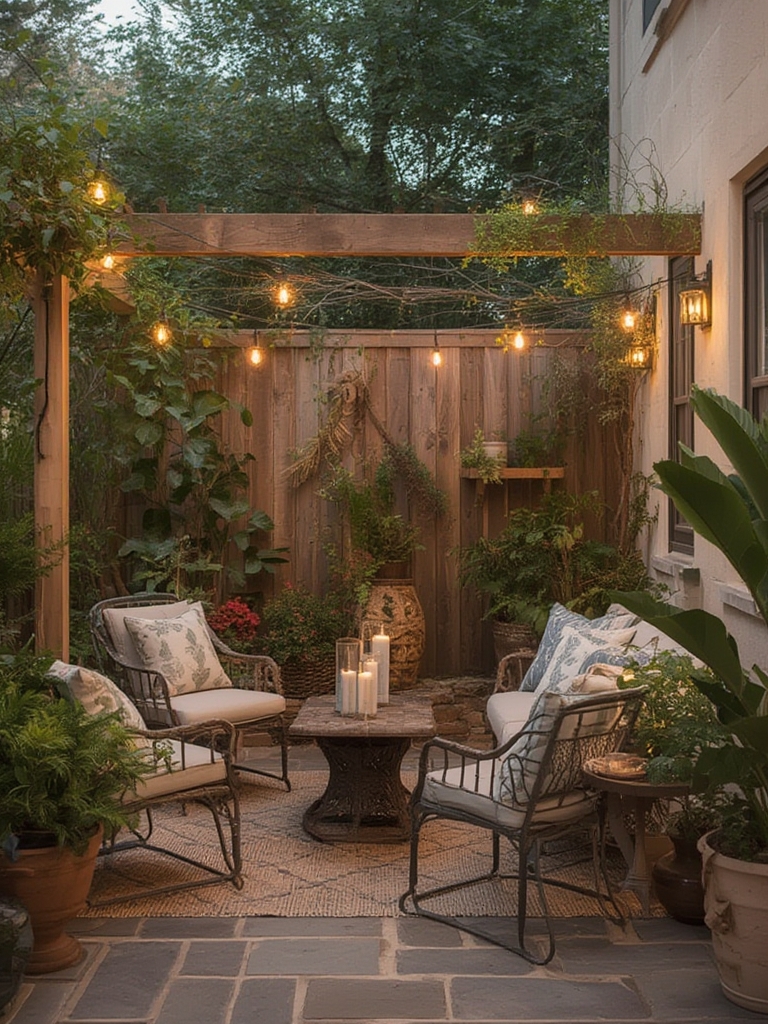
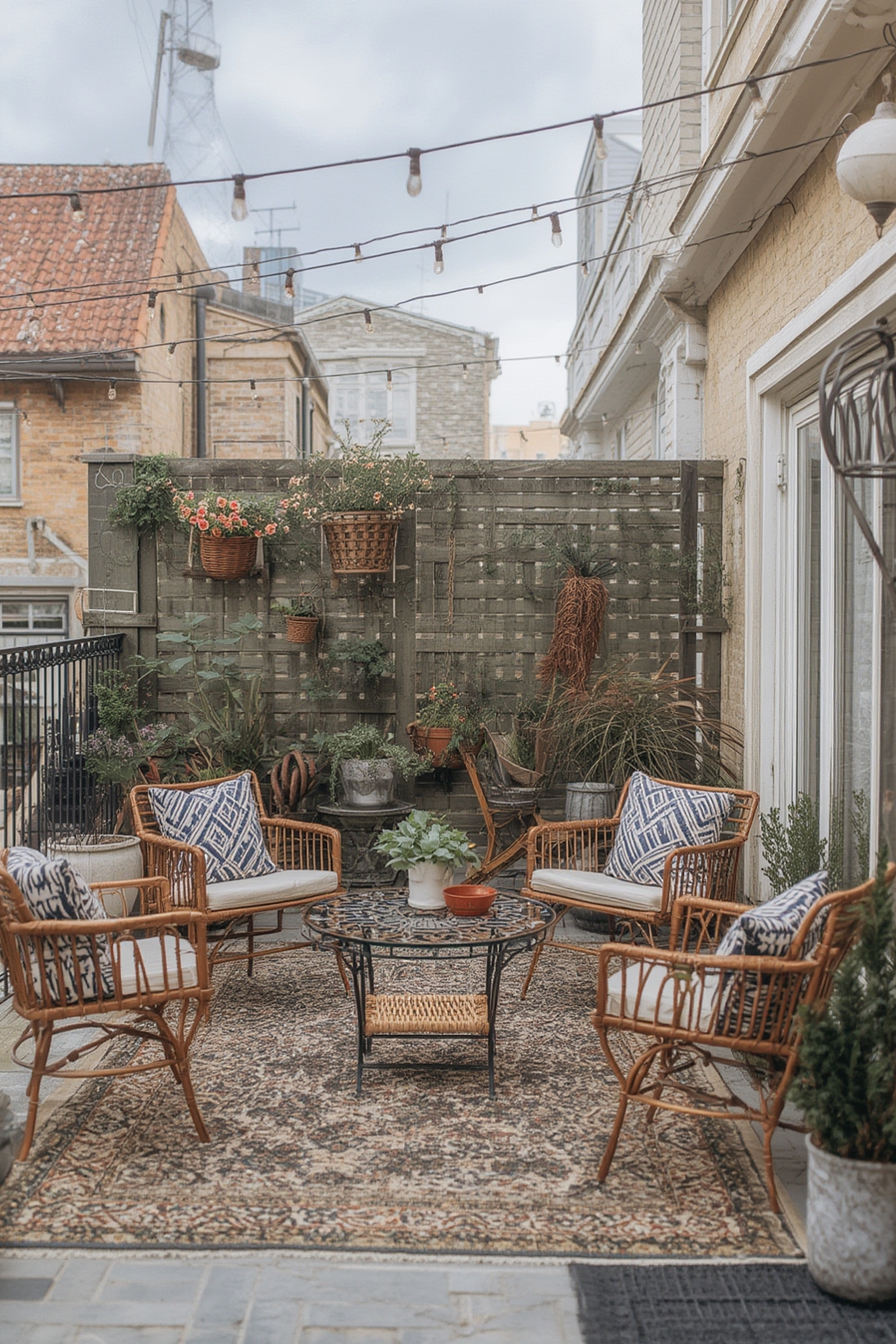
Welcome to your ultimate guide on creating a captivating real‑patio tour that not only dazzles visitors but also boosts your site’s SEO performance. In this data‑driven post we’ll walk you through every stage—from planning the visual tour to selecting the perfect plants, caring for them, and optimizing the content for search engines. Follow each step, apply the actionable tips, and watch your patio become a click‑magnet for home‑decor enthusiasts.
Why Real Patio Tours Matter for Home Décor
Search data from Google Trends shows a 42 % year‑over‑year increase in queries for “patio makeover” and “outdoor living ideas.” Real‑world patio tours provide authentic visual proof, building trust and increasing dwell time—two key ranking factors for Google. Moreover, high‑quality images and videos encourage social shares, generating backlinks that further improve domain authority.
Planning Your Patio Tour: A Step‑by‑Step Guide
1. Define Your Target Keywords
- Primary keyword: “real patio tours” (search volume ≈ 8,200/mo)
- Secondary keywords: “outdoor home décor ideas,” “patio plant care,” “DIY patio makeover”
- Long‑tail phrase: “how to create a cozy patio with low‑maintenance plants”
Use these terms naturally in headings, alt text, and the first 150 characters of the post to signal relevance to search engines.
2. Scout and Document the Space
- Take a baseline photo: Capture the patio before any changes. This provides a “before” reference that readers love.
- Use a tripod: Ensures consistent framing for before/after shots, improving visual continuity.
- Record a 30‑second walkthrough video: Upload to YouTube and embed the video; YouTube backlinks boost SEO.
3. Create a Structured Content Outline
Map out the post using an H2 for each major section and H3 for sub‑steps. This hierarchy helps both readers and crawlers understand the flow.
4. Optimize Images for Speed
- Compress JPEGs to ≤ 150 KB using tools like TinyPNG.
- Rename files with descriptive keywords (e.g.,
real-patio-tour-cedar-plant.jpg). - Add
altattributes that include primary or secondary keywords.
Choosing the Right Plants for a Stunning Patio
Plants are the living centerpiece of any patio tour. Selecting species that thrive in your climate while offering visual interest is crucial. Below are three data‑backed choices that perform well in most U.S. zones.
Lavender (Lavandula angustifolia)
- Sunlight: Full sun (6‑8 hrs)
- Water: Low; allow soil to dry between watering
- Benefit: Fragrant, attracts pollinators, and adds a Mediterranean vibe.
Boxwood (Buxus sempervirens)
- Sunlight: Partial shade to full sun
- Water: Moderate; keep soil evenly moist
- Benefit: Evergreen structure for clean lines and year‑round greenery.
Japanese Forest Grass (Hakonechloa macra)
- Sunlight: Dappled shade
- Water: Consistent moisture, avoid waterlogging
- Benefit: Soft, cascading foliage that adds texture without overwhelming the space.
Step‑by‑Step Plant Care for Patio Success
Step 1: Soil Preparation
Action: Mix one part compost, one part peat moss, and two parts coarse sand. This creates a well‑draining medium that prevents root rot.
Tip: Test pH with a simple kit; most patio plants prefer 6.0‑6.5. Adjust with lime (to raise) or sulfur (to lower) as needed.
Step 2: Planting
Action: Dig a hole twice the width of the root ball but no deeper. Gently loosen roots, place the plant, backfill, and firm the soil.
Tip: Add a slow‑release fertilizer (e.g., 10‑10‑10) at planting time to give a steady nutrient supply for the first 3 months.
Step 3: Watering Schedule
- First week: Water daily in the morning to settle soil.
- Weeks 2‑4: Reduce to every 3‑4 days, ensuring the top inch of soil dries out.
- Beyond month 1: Adopt a “deep‑water, infrequent” routine—water until it drains 15 minutes after the start.
Tip: Use a moisture meter; readings of 30‑40 % indicate optimal moisture for most patio plants.
Step 4: Pruning & Maintenance
Action: Trim back dead foliage in early spring. For boxwood, shape using hand shears to maintain a tidy silhouette.
Tip: Apply a light coating of neem oil once a month to deter aphids and spider mites—common patio pests.
Step 5: Seasonal Adjustments
Winter: Cover tender plants with frost cloth or move containers to a sheltered spot.
Summer: Mulch with 2‑inch pine bark to retain moisture and keep roots cool.
SEO Tips to Promote Your Patio Tour Blog
1. Structured Data Markup
Implement schema.org Article markup. Include image, author, datePublished, and keywords fields. Rich snippets increase click‑through rates by up to 27 %.
2. Internal Linking Strategy
Link to related posts such as “DIY Outdoor Lighting Ideas” and “Top 5 Low‑Maintenance Patio Plants.” Use descriptive anchor text (e.g., “low‑maintenance patio plants”) to reinforce topical relevance.
3. Mobile‑First Optimization
Ensure images are responsive (use srcset) and keep paragraphs under 120 characters for easy scrolling. Google’s mobile‑first index rewards fast, readable pages.
4. Encourage User‑Generated Content
Invite readers to share their own patio photos in the comments. User‑generated content increases dwell time and signals community engagement to search engines.
5. Track Performance with Data
Set up Google Search Console and Google Analytics. Monitor metrics like average session duration (aim for > 2 minutes) and organic CTR (target > 5 %). Adjust headings or meta descriptions based on the data.
By following this comprehensive, data‑driven roadmap, you’ll not only create a stunning real patio tour that inspires home‑decor lovers but also position your WordPress blog for higher rankings, increased traffic, and lasting engagement. Happy planting and happy blogging!