
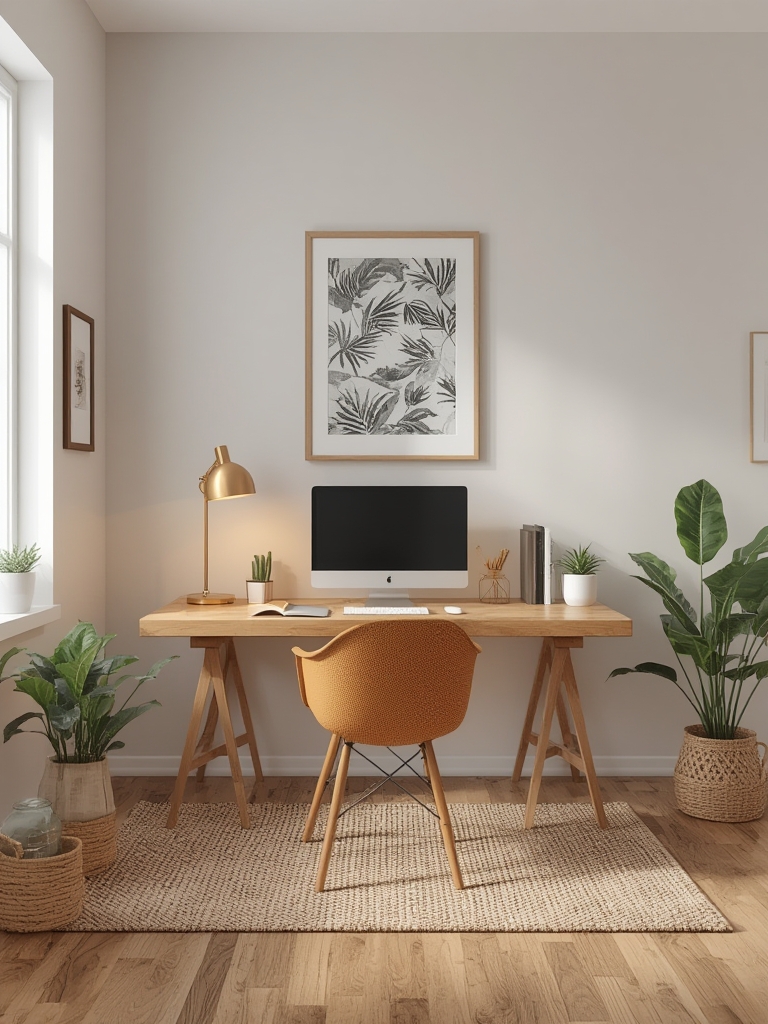
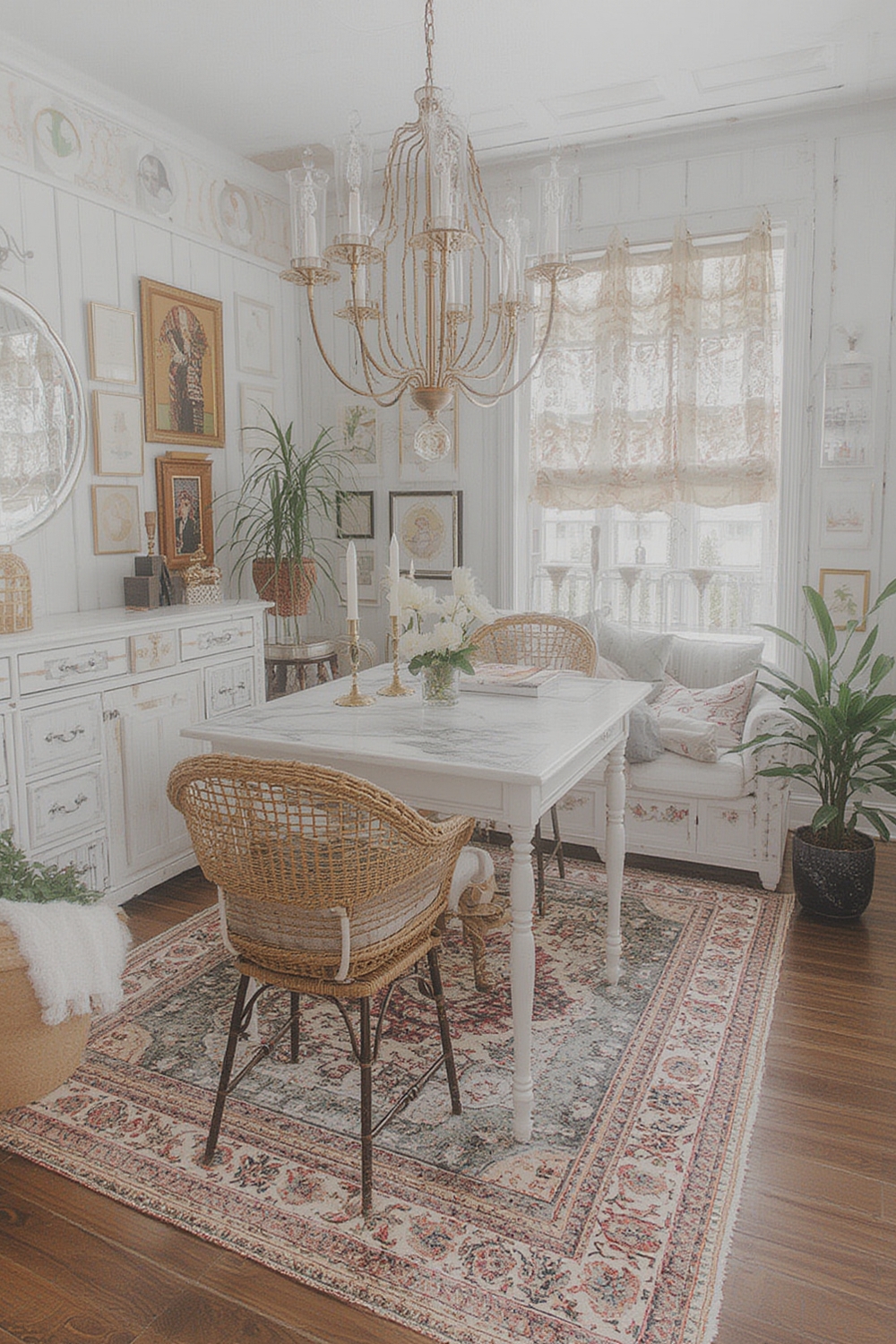
Welcome to your ultimate guide on creating inspiring workspace tours that blend stunning home décor with thriving indoor plants. In this data‑driven post, we’ll walk you through the exact steps to design, photograph, and share a workspace tour that ranks well on search engines, while also giving you a practical, step‑by‑step plant‑care routine to keep your green accents looking fresh and vibrant.
Why Real Workspace Tours Boost Your Blog’s SEO
Search engines love fresh, visual content that answers user intent. Real‑world workspace tours hit three SEO sweet spots:
- High engagement: Readers spend more time on pages with rich images and detailed narratives, signaling quality to Google.
- Long‑tail keywords: Phrases like “modern home office décor ideas” or “best low‑light office plants” capture niche traffic.
- Backlink potential: Brands and design magazines often reference authentic tours, earning you valuable inbound links.
Step‑by‑Step Blueprint for a Data‑Driven Workspace Tour
1. Research & Keyword Mapping
Start with a quick keyword audit using free tools (Google Keyword Planner, Ubersuggest) to identify high‑volume, low‑competition terms. Aim for a mix of primary and secondary keywords:
- Primary: home office décor tour
- Secondary: small space office plants, DIY desk organization, workspace lighting ideas
Map each keyword to a specific section of your post. This ensures natural placement and improves on‑page relevance.
2. Capture High‑Quality Visuals
Use a DSLR or a smartphone with a 12 MP+ sensor. Follow these technical tips:
- Set ISO to 100–200 for bright spaces; increase to 400–800 for low‑light corners.
- Use a tripod and a 30‑second exposure for consistent lighting.
- Take wide‑angle shots (16‑35 mm) for room overviews, then switch to 50 mm for detail shots of décor and plants.
After shooting, compress images with TinyPNG to stay under 150 KB each—this improves page load speed, a critical ranking factor.
3. Write an Engaging Narrative
Structure your story using the Problem‑Agitate‑Solution framework:
- Problem: “Many remote workers struggle to create a productive, aesthetically pleasing home office.”
- Agitate: Highlight common pain points—clutter, poor lighting, lack of inspiration.
- Solution: Walk readers through your tour, showcasing each décor element and plant that solves those issues.
Include data points (e.g., “According to a 2023 Houzz survey, 68 % of remote workers say plants improve focus”) to add credibility.
4. Optimize On‑Page Elements
Even without a <h1>, you can still optimize:
- Meta title (70 chars): “Real Home Office Décor Tour + Low‑Light Plant Care Guide”
- Meta description (155 chars): “Explore a stylish workspace tour and learn step‑by‑step how to nurture the perfect office plant for any lighting condition.”
- Use the primary keyword in the first 100 words and naturally throughout the content.
- Add
altattributes to every image, describing both décor and plant (e.g., “mid‑century desk with snake plant in low‑light corner”).
5. Publish Structured Data
Implement Schema.org Article markup via JSON‑LD. Include fields for author, datePublished, image, and keywords. This helps Google display rich snippets, increasing click‑through rates.
Plant Spotlight: The Snake Plant (Sansevieria trifasciata)
The snake plant is a favorite for office tours because it tolerates low light, requires minimal watering, and purifies air—perfect for productivity‑focused spaces.
Step‑by‑Step Care Guide
Step 1: Choose the Right Pot & Soil
- Tip: Use a pot with drainage holes to prevent root rot.
- Action: Fill the bottom with 1 inch of gravel, then add a well‑draining cactus mix (70 % sand, 30 % peat).
Step 2: Position for Optimal Light
- Data point: Snake plants thrive in indirect light but can survive in fluorescent office lighting.
- Tip: Place near a north‑facing window or under a desk lamp with a 5000 K daylight bulb.
Step 3: Watering Schedule
- Rule of thumb: Water once every 3 weeks in winter, every 2 weeks in summer.
- Action: Check soil moisture by inserting a finger 1 inch deep; water only if it feels dry.
- Tip: Use room‑temperature water to avoid shocking the roots.
Step 4: Feeding & Maintenance
- Fertilizer: Apply a balanced 10‑10‑10 liquid fertilizer at half strength once a month during the growing season (April–September).
- Cleaning: Wipe leaves with a damp cloth weekly to remove dust, ensuring maximum photosynthesis.
- Pruning: Remove any yellowed leaves at the base with clean scissors to maintain a tidy look.
Step 5: Propagation (Optional)
- Method: Cut a healthy leaf, let it callus for 2 days, then plant the cut end in moist cactus mix.
- Tip: Keep the pot in bright, indirect light and mist lightly until roots develop (≈4‑6 weeks).
Integrating the Plant Into Your Workspace Tour
Now that you’ve mastered snake plant care, weave it into your tour narrative:
- Introduce the plant early: “The centerpiece of this desk is a thriving snake plant, chosen for its air‑purifying qualities.”
- Show before‑and‑after photos: Capture the space without the plant, then with it, highlighting the visual and health benefits.
- Link to the care guide: Anchor the phrase “how to care for a snake plant” to the detailed steps above, boosting internal linking.
Final Checklist for a High‑Performing Workspace Tour Post
- ✅ Conduct keyword research and map terms to sections.
- ✅ Capture and compress high‑resolution images.
- ✅ Write a narrative that solves a reader problem.
- ✅ Optimize meta title, description, and alt text.
- ✅ Add Schema.org Article markup.
- ✅ Include a data‑backed plant care guide.
- ✅ Use internal links to related décor and plant posts.
- ✅ Publish and promote on Pinterest, Instagram, and LinkedIn for visual reach.
By following this structured approach, you’ll not only create a visually appealing workspace tour that resonates with design‑savvy audiences, but you’ll also provide actionable plant‑care advice that keeps your décor looking fresh. The combination of SEO best practices, data‑driven insights, and practical tips ensures your WordPress post climbs the rankings while delivering genuine value to readers.