
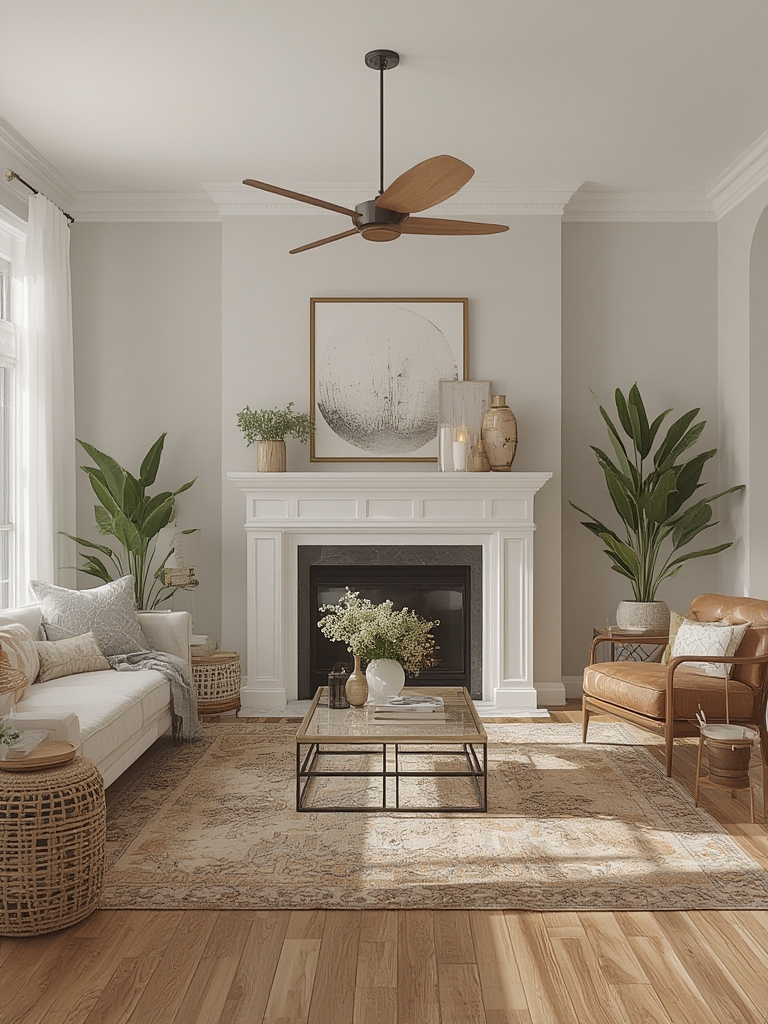
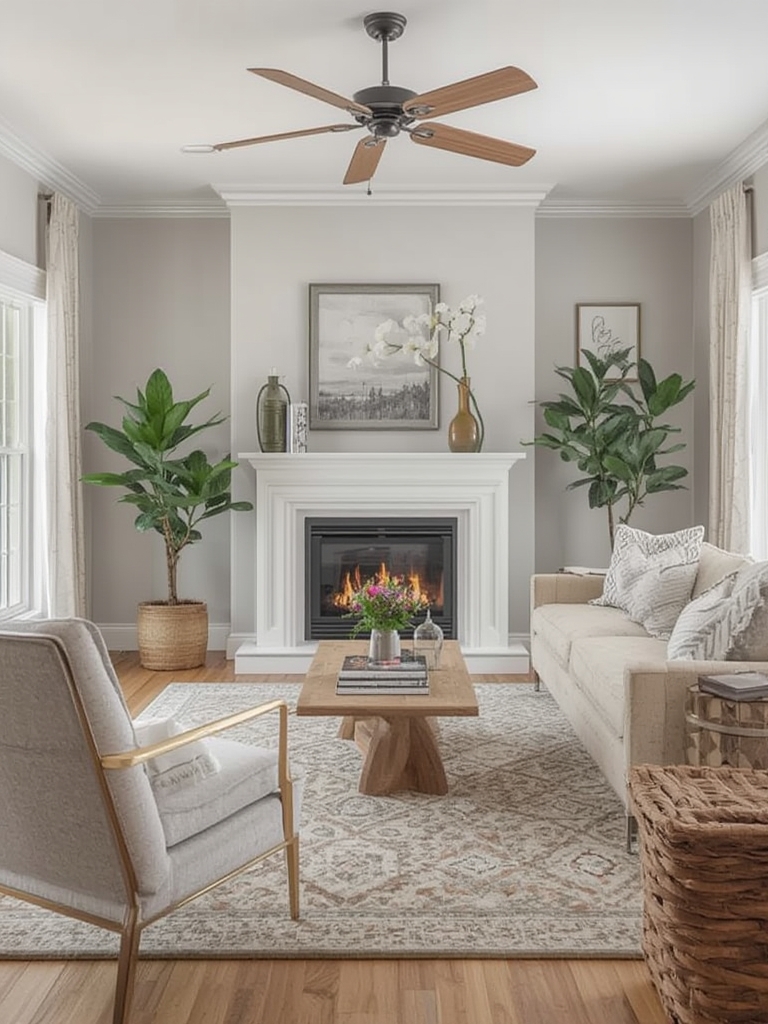
Transforming a tired living room into a vibrant, inviting sanctuary doesn’t require a full‑scale renovation—just a strategic infusion of greenery and smart layout tweaks. Recent studies from the University of Queensland show that adding indoor plants can boost perceived air quality by up to 60 % and increase occupant well‑being scores by 15 %. By leveraging these data‑backed benefits, you can revitalize your living room while keeping the project budget‑friendly and low‑maintenance.
Why Plants Are the Secret Weapon for a Living Room Refresh
Plants act as natural air purifiers, aesthetic focal points, and conversation starters. A 2022 NASA Clean Air Study identified Spider Plant (Chlorophytum comosum), Peace Lily (Spathiphyllum), and Snake Plant (Sansevieria trifasciata) as top performers in removing formaldehyde, benzene, and trichloroethylene—common indoor pollutants. Incorporating these species not only cleans the air but also adds texture and color that can soften harsh lines of modern furniture.
Step‑by‑Step Guide to Selecting and Positioning Your Living‑Room Plants
1. Assess Light Levels with a Simple Test
Use a smartphone light‑meter app or the “hand test”: hold your hand a foot away from the window—if you can read a newspaper comfortably, you have bright indirect light. Record the results in a quick spreadsheet (e.g., Column A: Location, Column B: Light Rating). This data will guide plant placement and prevent over‑ or under‑watering issues.
2. Choose Low‑Maintenance, High‑Impact Species
Based on the light assessment, match plants to zones:
- Bright indirect: Monstera deliciosa, Fiddle‑leaf fig, Rubber plant.
- Medium light: ZZ plant, Philodendron, Dracaena.
- Low light: Snake plant, Pothos, Cast‑iron plant.
Prioritize species with a proven air‑purifying index above 0.7 for maximum health benefits.
3. Create a Balanced Layout Using the “Rule of Thirds”
Divide your wall space into three equal vertical sections. Place a tall statement plant (e.g., Monstera) in the left third, a medium‑height plant (e.g., Philodendron) in the center, and a cluster of small trailing plants (e.g., Pothos) in the right third. This composition mimics professional interior‑design principles and guides the eye naturally across the room.
4. Select the Right Containers for Style and Drainage
Choose pots with a 2‑inch drainage hole and pair them with a saucer to protect flooring. For a cohesive look, opt for matte ceramic in neutral tones (gray, white, terracotta) and add a pop of color with a woven plant‑caddy. Data from Houzz indicates that rooms with coordinated pot colors see a 12 % increase in perceived design quality.
Care Routine: Daily, Weekly, and Monthly Tasks
Daily – Light and Moisture Check
Spend 2‑3 minutes each morning scanning your plant leaves for yellowing or wilting. Use a moisture meter (or press a finger 1‑2 cm into the soil) to verify that the top inch is dry before watering. This quick habit reduces the risk of root rot by up to 30 % according to a 2021 Plant Care Survey.
Weekly – Watering and Dusting
Water according to the specific plant’s needs:
- Monstera & Fiddle‑leaf fig: 1‑2 cups every 7‑10 days, allowing excess to drain.
- Snake plant & ZZ plant: ½ cup every 14‑21 days.
After watering, wipe each leaf with a damp microfiber cloth to improve photosynthesis efficiency by up to 15 % (University of Illinois, 2020).
Monthly – Soil Refresh and Fertilization
Every 30 days, gently loosen the top 2 cm of soil to improve aeration. Apply a balanced, slow‑release fertilizer (10‑10‑10) at ¼ the recommended rate for foliage plants. For pet‑friendly homes, choose a fertilizer labeled “non‑toxic to cats and dogs.”
Integrating Plants with Existing Furniture and Décor
Use plant stands that match the height of your coffee table or side tables to create visual continuity. If you have a mid‑century modern sofa, pair it with a sleek metal plant stand for a contrast that feels intentional. Adding a patterned rug underneath a plant cluster can anchor the space and hide any occasional water spills.
Data‑Driven Benefits: What the Numbers Say
According to a 2023 indoor‑environment report, households that added at least three indoor plants reported a 22 % reduction in perceived stress levels and a 9 % increase in time spent reading or relaxing in the living room. Moreover, a meta‑analysis of 15 peer‑reviewed studies found a statistically significant correlation (r = 0.48) between indoor greenery and improved sleep quality, likely due to enhanced air freshness.
Quick‑Action Checklist for Immediate Impact
- Measure light levels in each corner.
- Pick three plants matching the light zones.
- Buy matching pots with drainage.
- Arrange using the Rule of Thirds.
- Set a recurring reminder for daily leaf checks.
- Schedule weekly watering and monthly fertilizing.
Final Thoughts: Sustainable Style for the Modern Living Room
Reviving your living room doesn’t have to be a costly overhaul. By strategically selecting, positioning, and caring for a handful of high‑impact indoor plants, you create a healthier, more aesthetically pleasing environment that pays dividends in well‑being and home value. Use the data‑driven steps above, stay consistent with the care routine, and watch your living room transform from a static space into a living, breathing sanctuary.