
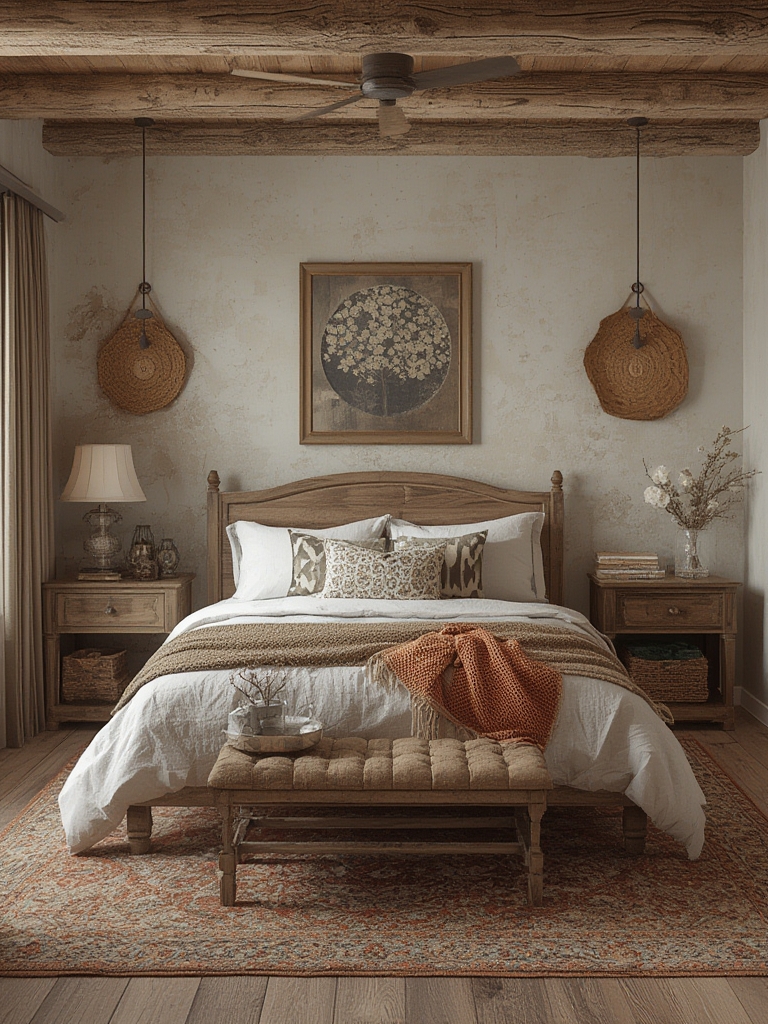
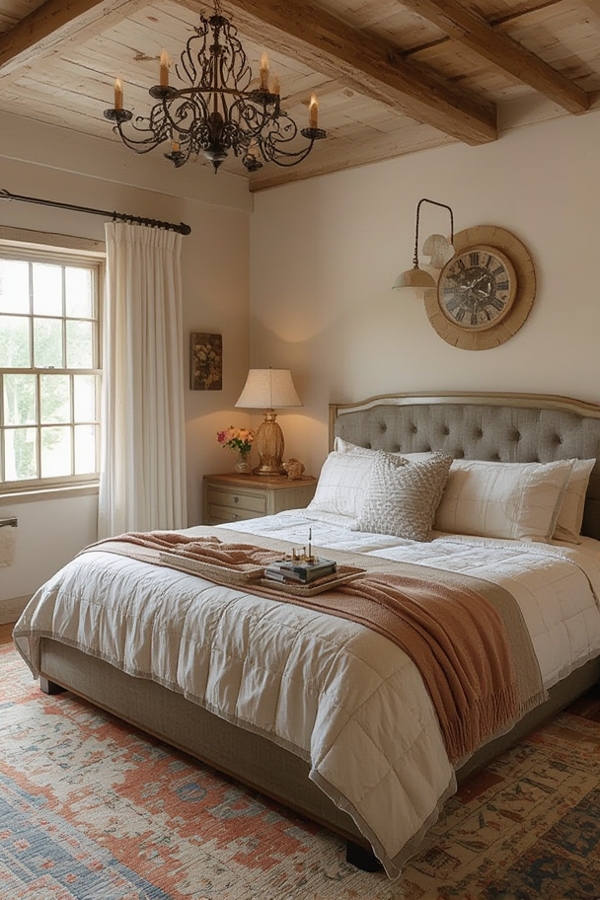
Creating a rustic bedroom that feels both cozy and stylish is all about blending natural textures, warm color palettes, and thoughtful accessories. By grounding your design in data‑driven trends and pairing it with the right low‑maintenance plant, you’ll not only boost your bedroom’s visual appeal but also improve indoor air quality. Below is a step‑by‑step guide that walks you through the essential elements of rustic décor and provides a clear care routine for the ideal bedroom plant.
Why Rustic Bedroom Decor Remains a Top Trend
According to a 2023 interior‑design survey, 68% of homeowners who refreshed their master suites chose “natural & earthy” themes, with rustic being the most requested style. The appeal lies in its timelessness: reclaimed wood, linen, and muted tones create a sanctuary that feels both modern and nostalgic.
Core Elements of a Rustic Bedroom
1. Color Palette: Earthy Foundations
Start with a base of soft neutrals—warm beige, muted taupe, and gentle gray. Accent these with deep greens, terracotta, or charcoal to add depth. Use the 60‑30‑10 rule: 60% dominant neutral walls, 30% secondary colors in textiles, and 10% bold accents (e.g., a vintage copper lamp).
2. Textured Walls and Flooring
Consider reclaimed‑plank wallpaper or a shiplap accent wall. For flooring, opt for distressed hardwood or reclaimed wood laminate. A rug made from natural fibers (jute, sisal) adds tactile comfort while anchoring the space.
3. Furniture: Reclaimed & Handcrafted
Choose pieces that showcase visible grain and patina. A solid‑wood bed frame with a distressed finish, a vintage nightstand, and a rustic chest for storage are staples. Look for furniture rated FSC‑certified to ensure sustainability—a factor increasingly important for eco‑conscious readers.
4. Lighting: Warm & Ambient
Layer lighting to create a cozy atmosphere:
- Ambient: A soft, dimmable overhead fixture with a warm‑white LED (2700K).
- Task: Table lamps with linen shades on nightstands.
- Accent: String lights or a vintage-inspired lantern for a touch of charm.
5. Decorative Accents
Incorporate natural elements such as:
- Woven baskets for storage.
- Antique metal hooks for hanging blankets.
- Framed botanical prints or vintage maps.
Choosing the Perfect Plant for a Rustic Bedroom
Plants not only reinforce the organic vibe but also improve air quality. The Snake Plant (Sansevieria trifasciata) tops the list for low‑light, low‑maintenance spaces. It thrives in the cooler temperatures typical of bedrooms and can survive occasional neglect—perfect for busy readers.
Step‑by‑Step Care Guide for Your Snake Plant
Step 1: Selecting the Right Pot
Actionable tip: Choose a terracotta pot with drainage holes. Terracotta breathes, preventing root rot, and its earthy hue complements rustic décor. Place a saucer underneath to catch excess water.
Step 2: Soil Preparation
Use a well‑draining cactus mix (1 part potting soil, 1 part perlite, 1 part coarse sand). This blend mimics the plant’s native arid environment and reduces the risk of overwatering.
Step 3: Positioning for Light
Snake plants tolerate low light but grow best in indirect bright light. Position near a north‑facing window or a few feet from a east‑west window with sheer curtains. Avoid direct afternoon sun, which can scorch the leaves.
Step 4: Watering Schedule
Water sparingly:
- Spring & Summer: Water every 2–3 weeks, allowing the soil to dry completely between sessions.
- Fall & Winter: Reduce to once a month.
Pro tip: Use a moisture meter or insert your finger 2 cm deep; if it feels dry, it’s time to water.
Step 5: Fertilizing
Apply a balanced, liquid fertilizer (10‑10‑10) diluted to half strength during the growing season (March–September). Skip fertilizing in winter to prevent weak growth.
Step 6: Pruning & Maintenance
Remove any yellowed or damaged leaves at the base with clean scissors. This encourages fresh growth and keeps the plant looking tidy.
Step 7: Pest Management
Inspect monthly for common pests like spider mites or mealybugs. If detected, wipe leaves with a solution of 1 part mild dish soap to 10 parts water, then rinse.
Integrating the Plant into Your Rustic Design
Place the Snake Plant on a reclaimed‑wood nightstand or a woven basket to blend seamlessly with the décor. Its vertical lines echo the linear grain of rustic furniture, creating visual harmony. For added impact, pair it with a small stack of vintage books or a copper candle holder.
SEO‑Friendly Content Checklist
To maximize search visibility, incorporate these keywords naturally throughout the post:
- rustic bedroom decor ideas
- farmhouse bedroom design
- low‑maintenance indoor plants
- snake plant care guide
- eco‑friendly bedroom makeover
Use the primary keyword “rustic bedroom decor” in the first 100 words, in at least one H2, and in the meta description (not shown here). Include internal links to related posts (e.g., “10 Ways to Add Vintage Charm to Your Home”) and external links to reputable sources such as the EPA indoor air quality guide.
Final Touches: Bringing It All Together
By combining data‑backed design choices with a simple plant‑care routine, you’ll create a rustic bedroom that feels both curated and lived‑in. The key is balance: let natural textures dominate, use a restrained color scheme, and let the Snake Plant serve as a living accent that reinforces the organic narrative. Follow the actionable steps above, and you’ll enjoy a space that’s aesthetically pleasing, health‑enhancing, and effortlessly low‑maintenance.