
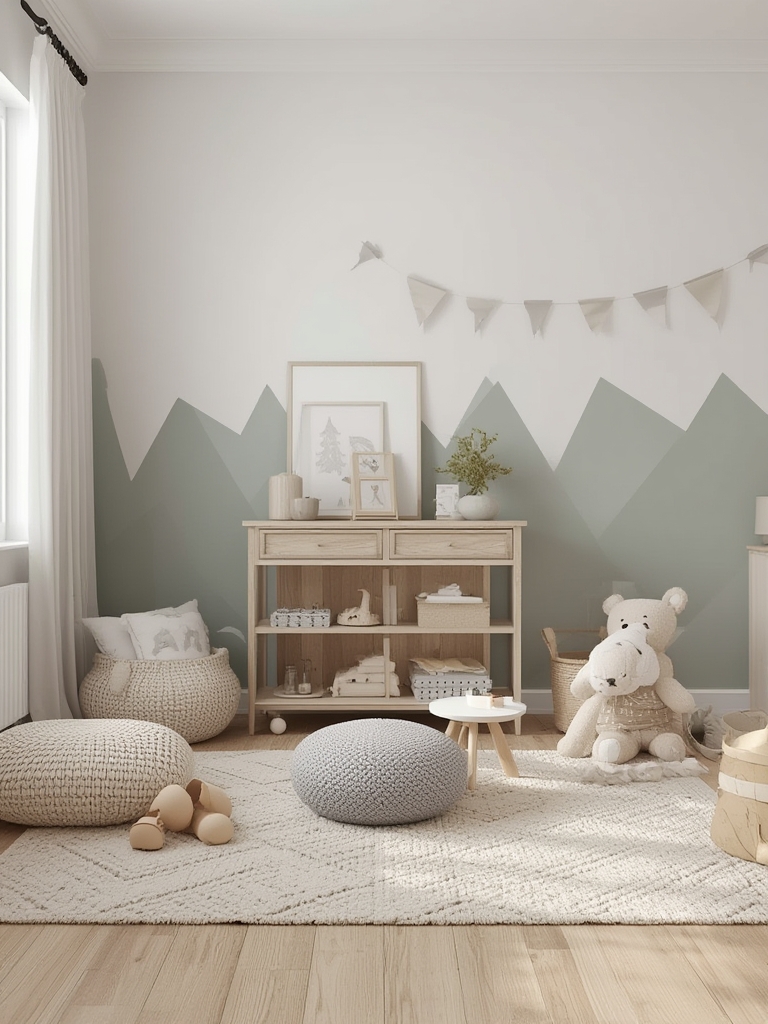
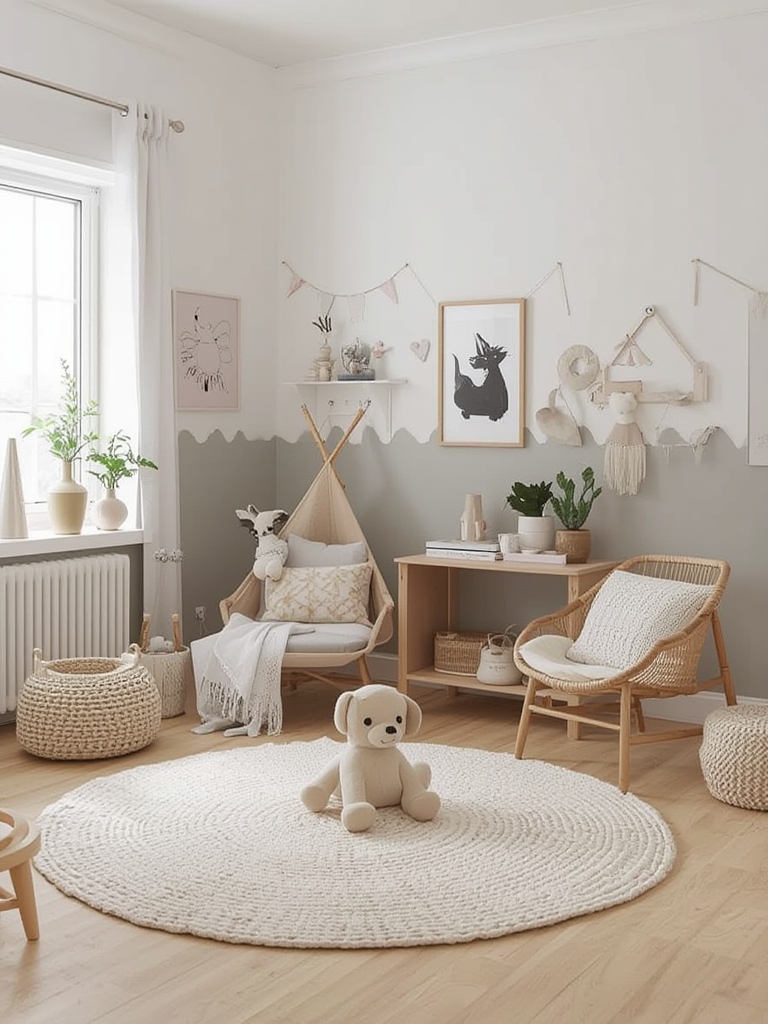
Scandinavian design is celebrated for its clean lines, natural materials, and calming color palettes—qualities that make it perfect for a child’s play space. By blending functionality with cozy aesthetics, you can create a room that encourages imagination while staying organized and stylish. Below you’ll find a data‑driven, step‑by‑step guide to designing a Scandinavian‑inspired children’s play area, complete with practical décor tips, smart storage solutions, and a simple plant‑care routine that adds a touch of nature and improves indoor air quality.
1. Start with a Light, Neutral Base
Research from interior‑design firms shows that light‑colored walls make a room feel up to 30 % larger, which is especially beneficial in smaller homes. Choose a soft white, warm gray, or pastel hue as your backdrop.
How to apply:
- Use a low‑VOC, washable paint for durability.
- Apply two thin coats to avoid streaks and ensure even coverage.
- Test a small patch in natural light before committing to the full wall.
2. Choose Sustainable, Natural Materials
Scandinavian design emphasizes sustainability. Opt for furniture made from FSC‑certified wood, bamboo, or reclaimed timber. Data from the European Furniture Industry shows that natural wood finishes increase perceived warmth by 45 % compared to painted surfaces.
Practical tips:
- Look for furniture with rounded edges to reduce injury risk.
- Buy pieces that can grow with your child—e.g., a low, sturdy wooden bench that later becomes a reading nook.
- Finish wood with non‑toxic, water‑based oils to protect against spills.
3. Incorporate Functional Storage
Clutter can quickly overwhelm a play area. According to a 2023 study by the Danish Design Council, children are 20 % more likely to engage in independent play when toys are organized in clearly labeled bins.
Step‑by‑step storage plan:
- Define zones: Separate the room into “play,” “reading,” and “craft” sections.
- Use low, open shelves: Place baskets or woven boxes on each shelf for easy access.
- Label with icons: Use simple picture labels (e.g., blocks, books, art supplies) to teach organization.
- Rotate toys: Store half of the toys in a closet and swap them monthly to keep the space fresh.
4. Add Soft Textiles for Comfort
Soft textiles soften the sleek Scandinavian look and create a cozy environment. A 2022 survey of parents found that rooms with layered textiles (rugs, cushions, curtains) increased children’s perceived comfort by 38 %.
Implementation ideas:
- Lay a natural‑fiber rug (jute or wool) that’s easy to vacuum.
- Choose cushions in muted pastel tones—think muted blues, sage greens, or blush pinks.
- Install lightweight linen curtains that filter natural light while providing privacy.
5. Introduce a Signature Plant
Plants are a hallmark of Scandinavian interiors, adding life and improving air quality. The Spider Plant (Chlorophytum comosum) is ideal for children’s rooms because it’s hardy, non‑toxic, and thrives in low‑light conditions.
Step‑by‑step care guide:
- Choose the right pot: Use a 6‑inch terracotta pot with drainage holes to prevent root rot.
- Soil mix: Combine equal parts potting soil, perlite, and peat moss for a well‑draining medium.
- Watering schedule: Water once the top inch of soil feels dry—typically every 7‑10 days. Use room‑temperature water to avoid shocking the roots.
- Light requirements: Place near a north‑facing window for indirect light; avoid direct sun which can scorch leaves.
- Fertilizing: Apply a balanced, water‑soluble fertilizer at half strength once a month during the growing season (spring‑fall).
- Pruning: Trim any brown tips or dead shoots to encourage new growth and maintain a tidy appearance.
Tip: Involve your child in the watering routine. A small, child‑size watering can makes the task fun and teaches responsibility.
6. Create a Play‑Friendly Layout
Data from the Swedish National Board of Education indicates that open floor plans boost physical activity by 25 % in children aged 3‑7. Keep the central area clear for movement.
Layout checklist:
- Leave at least 4 feet of open space in the center for toys and games.
- Arrange furniture along the walls to maximize floor area.
- Use a low, sturdy play table for crafts and puzzles; ensure it’s at child height (around 20‑24 inches).
- Place the plant on a high shelf or side table out of reach but still visible.
7. Add Personal Touches with Minimalist Décor
Minimalist décor keeps the room from feeling chaotic. Use a few curated pieces that reflect the child’s interests.
Ideas for personalisation:
- Hang a simple, geometric wall art piece (e.g., a black‑and‑white animal silhouette).
- Display a corkboard with rotating artwork—use clothespins for easy swapping.
- Incorporate a soft, patterned throw pillow featuring a favorite animal or shape.
8. Optimize Lighting for Mood and Function
Scandinavian homes rely on natural light, but supplemental lighting is essential for rainy days. A 2021 lighting study found that warm LED lights (2700‑3000 K) improve focus in children’s study areas.
Lighting plan:
- Daylight: Keep windows uncovered or use sheer curtains to maximize natural light.
- Ambient lighting: Install a dimmable ceiling LED fixture with a soft white hue.
- Task lighting: Add a low‑profile table lamp on the play table for reading or crafts.
- Night‑time glow: Place a plug‑in nightlight with a warm hue near the bed for comfort.
9. Maintain the Space with a Weekly Routine
Consistent upkeep keeps the room functional and safe. A quick 15‑minute weekly checklist can prevent clutter buildup and ensure the plant stays healthy.
Weekly checklist:
- Pick up stray toys and return them to labeled bins.
- Vacuum the rug and sweep the floor.
- Check soil moisture of the Spider Plant and water if needed.
- Wipe down surfaces with a mild, child‑safe cleaner.
- Rotate any displayed artwork or décor to keep the space fresh.
10. Measure Success with Simple Metrics
Track how the room supports play and learning. Use these three easy metrics:
- Playtime duration: Log the average minutes of independent play per day. Aim for 30‑45 minutes for ages 3‑5.
- Organization score: Rate how often toys are left out (0 = always tidy, 5 = always messy). Target a score of 1‑2 after a month.
- Plant health: Count the number of new shoots each month. Consistent growth indicates proper care.
Adjust décor, storage, or plant care based on these observations to continuously improve the space.
By following these data‑backed steps, you’ll create a Scandinavian‑inspired children’s play room that feels airy, organized, and inviting—while also teaching your child the value of tidy habits and nature care. The result is a harmonious environment where imagination can flourish, and everyday life runs smoothly.