
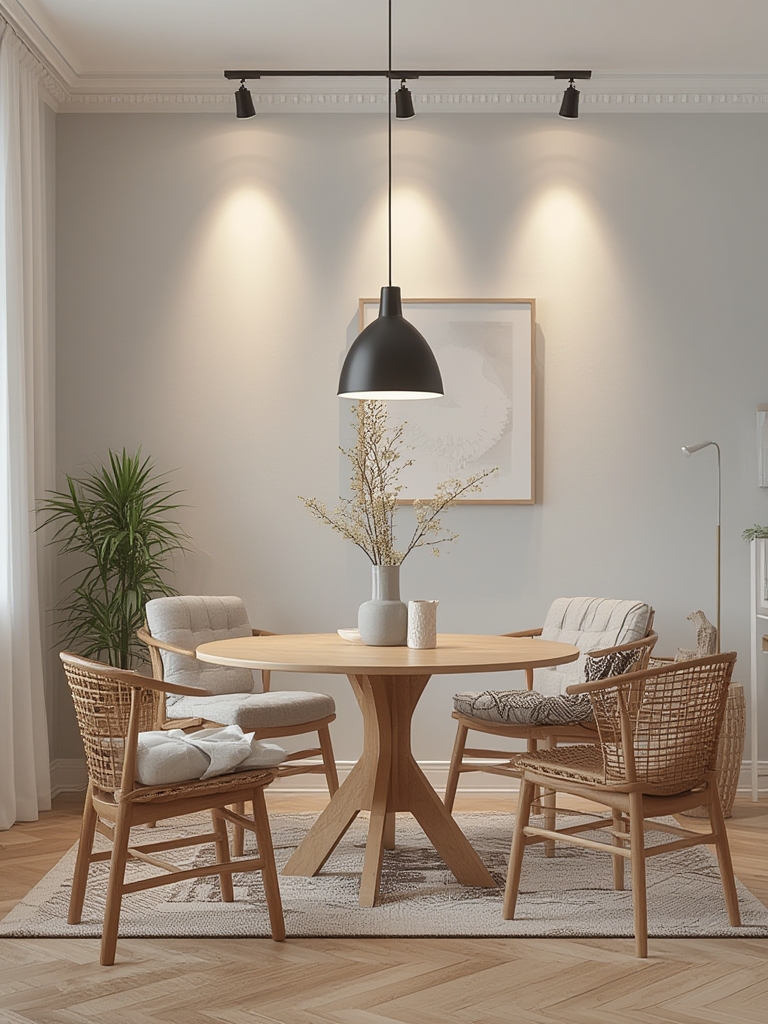
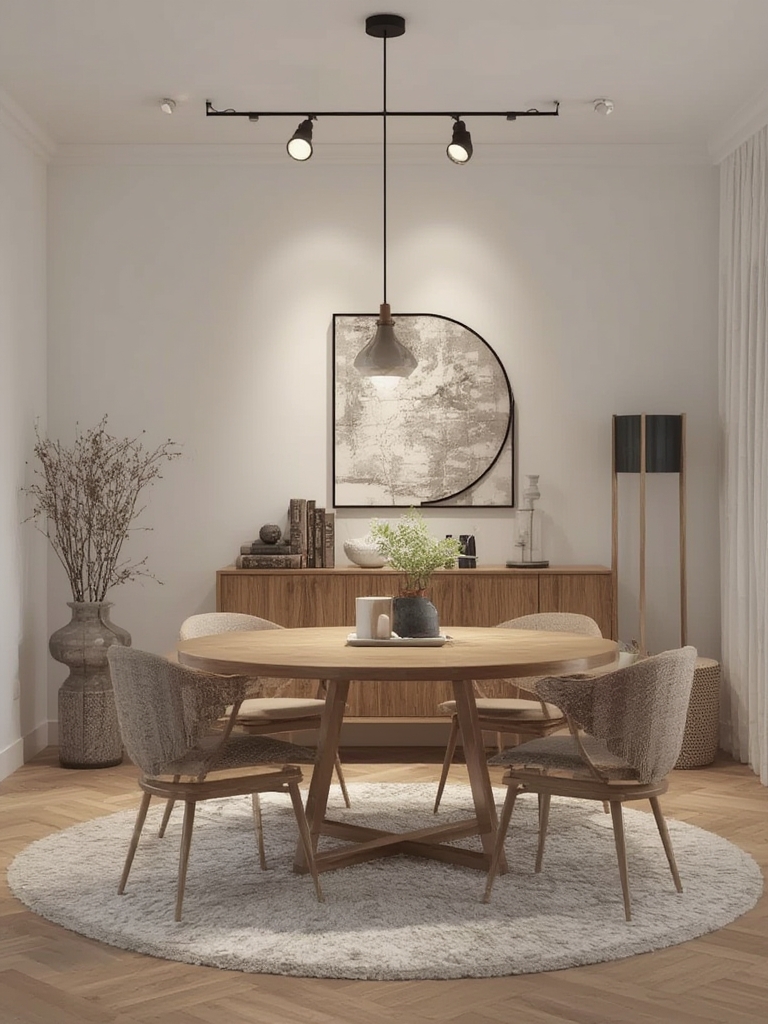
Scandinavian design continues to dominate modern home decor, offering a timeless blend of minimalism, functionality, and warmth. According to a 2023 Houzz survey, 42 % of homeowners who renovated their living spaces chose a Nordic aesthetic, and Google Trends shows a 27 % year‑over‑year increase in searches for “Scandinavian home décor” over the past two years. This data‑driven surge isn’t just about furniture—plants play a pivotal role in completing the clean, airy look. Below, you’ll discover how to spotlight Scandinavian design in every room and get step‑by‑step guidance on caring for the perfect companion plant: the Snake Plant (Sansevieria).
Why the Snake Plant Is the Ideal Nordic Green
The Snake Plant ticks every box for a Scandinavian interior:
- Low‑maintenance: Thrives on minimal watering, fitting the “less is more” philosophy.
- Air‑purifying: NASA’s Clean Air Study ranks it among the top plants for removing formaldehyde and benzene.
- Architectural silhouette: Its upright, sword‑like leaves echo the clean lines of Nordic furniture.
- Neutral palette: Dark green foliage complements the muted whites, grays, and natural wood tones typical of the style.
Step‑by‑Step Guide to Growing a Healthy Snake Plant
1. Choose the Right Pot and Soil
Actionable tip: Select a pot with a drainage hole and a diameter 2‑3 cm larger than the root ball. Use a well‑draining cactus or succulent mix (≈30 % peat, 30 % perlite, 40 % coarse sand). This prevents waterlogging, which is the most common cause of root rot in Snake Plants.
2. Position for Optimal Light
Practical advice: Place the plant near a north‑ or east‑facing window where it receives bright, indirect light. If natural light is limited, a LED grow light set to 12‑hour cycles works well. Remember: Snake Plants tolerate low light, but growth slows and leaf color may fade.
3. Water Wisely
Step‑by‑step:
- Check the soil moisture by inserting a finger 2 cm deep; if it feels dry, it’s time to water.
- Water thoroughly until water drains from the bottom, then empty the saucer.
- During winter months (Nov‑Feb), reduce watering to once every 4‑6 weeks, as the plant’s growth cycle slows.
Pro tip: Use room‑temperature water to avoid shocking the roots.
4. Feed for Balanced Growth
Apply a balanced, water‑soluble fertilizer (10‑10‑10) at half strength once during the spring and once in summer. Over‑fertilizing can cause leaf tip burn, so skip feeding in fall and winter.
5. Prune and Propagate
Remove any yellowed or damaged leaves at the base using clean scissors. To propagate, cut a healthy leaf, let the cut end dry for 15‑20 minutes to form a callus, then plant it upright in moist soil. Keep the soil lightly damp; new roots appear in 2‑4 weeks.
6. Monitor for Pests
Common pests include spider mites and mealybugs. If you spot webbing or cotton‑like clusters, treat the plant with a neem oil spray (1 % solution) every 7‑10 days until the infestation clears.
Integrating the Snake Plant Into Scandinavian Décor
Now that your plant is thriving, here’s how to showcase it within a Nordic‑inspired space:
Living Room: Minimalist Focal Point
- Place a tall Snake Plant in a matte white ceramic pot beside a low‑profile sofa. The vertical lines contrast beautifully with the horizontal lines of a sleek coffee table.
- Pair with a light‑gray area rug and a few natural‑fiber throw pillows to reinforce the soft, neutral palette.
Bedroom: Calm & Hygge
- Position a smaller Snake Plant on a bedside nightstand. Its air‑purifying qualities improve indoor air quality, promoting better sleep.
- Choose a woven basket or reclaimed wood planter to add texture without breaking the minimalist vibe.
Kitchen: Functional Greenery
- Hang a compact Snake Plant in a wall‑mounted pot near the window. Its tolerance for low humidity makes it perfect for kitchen environments.
- Combine with open‑shelf wooden cabinets and simple black‑metal fixtures for a cohesive look.
SEO‑Friendly Formatting Tips for WordPress
To ensure your blog post ranks well for “Scandinavian design style spotlights” and “Snake Plant care,” follow these quick WordPress best practices:
- Keyword placement: Include the primary keyword in the first 100 words, in at least one H2, and naturally throughout the content.
- Meta description: Write a concise 150‑character summary (e.g., “Discover how to blend Scandinavian design with easy‑care Snake Plants for a fresh, minimalist home.”).
- Image alt text: Use descriptive alt tags such as “Snake Plant in white ceramic pot beside Scandinavian sofa.”
- Internal linking: Link to related posts like “Top 5 Nordic‑Inspired Living Room Ideas” or “Air‑Purifying Indoor Plants for a Healthy Home.”
- Readability: Keep sentences under 20 words, use bullet points, and break up text with H2/H3 headings to improve dwell time.
Quick Checklist for Success
- ✅ Choose a well‑draining pot and cactus mix.
- ✅ Provide bright, indirect light; supplement with LED if needed.
- ✅ Water only when the top 2 cm of soil is dry; reduce in winter.
- ✅ Feed twice a year with half‑strength balanced fertilizer.
- ✅ Prune yellow leaves and propagate new plants.
- ✅ Monitor for pests and treat promptly.
- ✅ Position the plant strategically to enhance Scandinavian aesthetics.
- ✅ Optimize the post for SEO using keywords, meta description, alt text, and internal links.
By marrying data‑backed design trends with the low‑maintenance elegance of the Snake Plant, you’ll create a home that feels both stylishly Nordic and effortlessly alive. Happy decorating—and happy growing!