
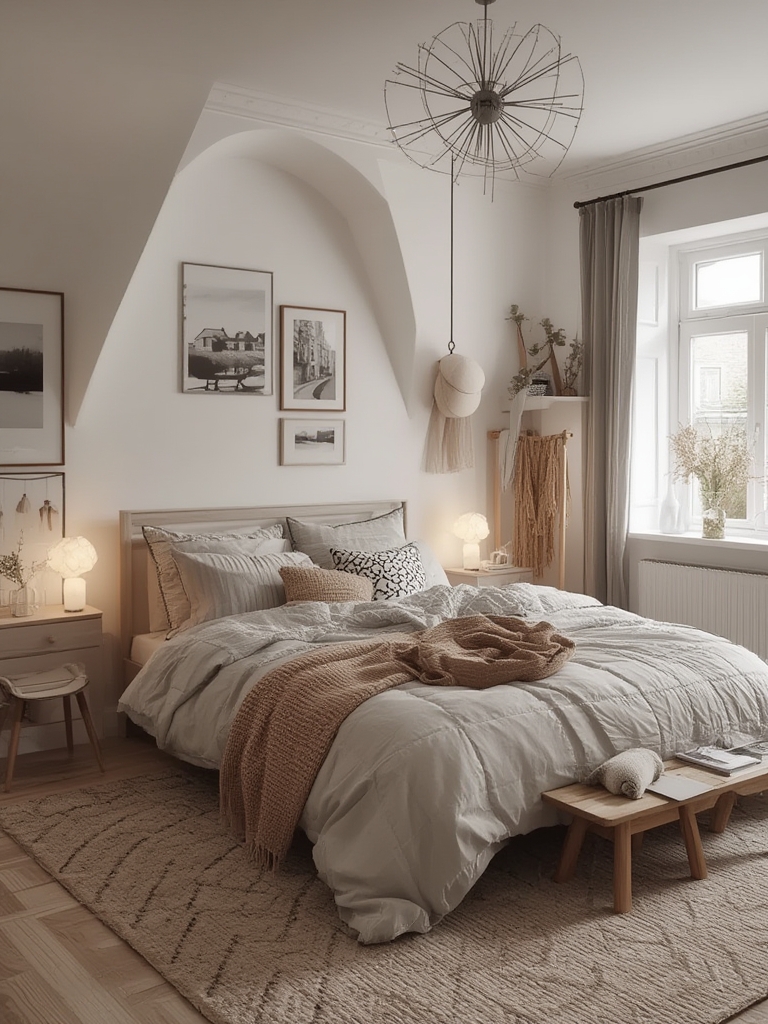
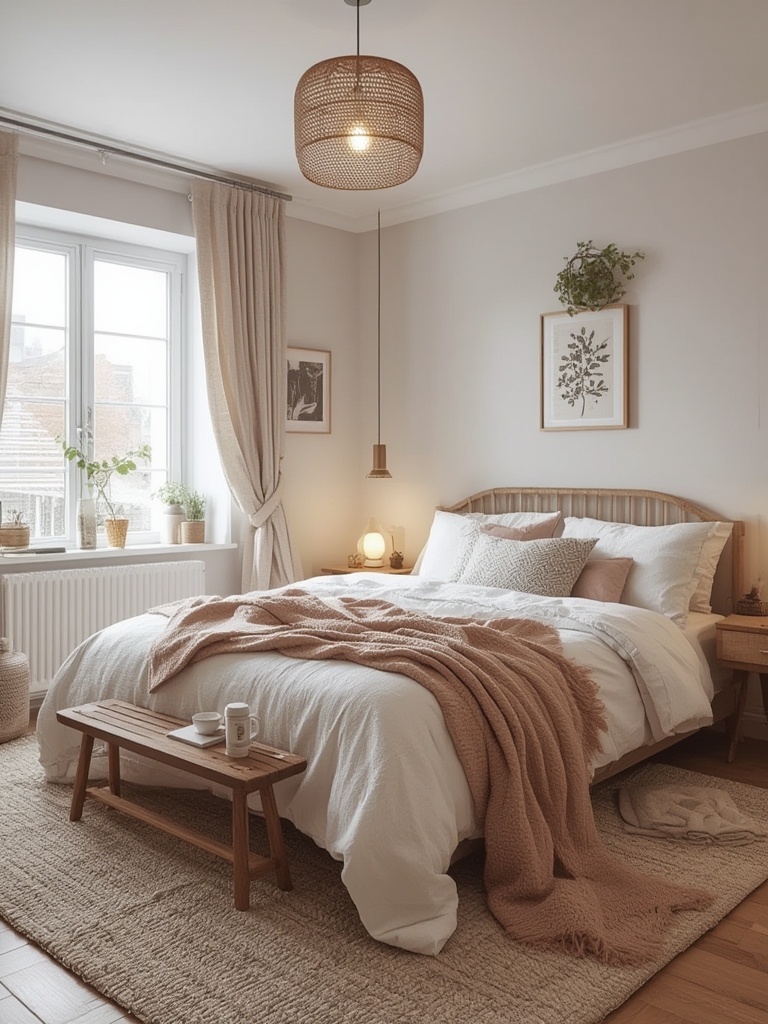
Creating a Scandinavian hygge bedroom is all about blending simplicity with warmth, allowing you to retreat into a space that feels both airy and inviting. By focusing on natural textures, muted color palettes, and purposeful lighting, you can transform any bedroom into a cozy sanctuary that promotes relaxation and well‑being. Below you’ll find data‑driven insights, practical design steps, and a detailed plant‑care guide to help you achieve the perfect hygge vibe.
Why Hygge Works in the Bedroom
According to a 2023 Houzz survey, 68% of homeowners who incorporated hygge principles reported improved sleep quality and reduced stress levels. The concept, rooted in Danish culture, emphasizes comfort, mindfulness, and a connection to nature—key ingredients for a restful bedroom environment.
Key Elements of a Scandinavian Hygge Bedroom
1. Neutral Color Palette
Start with a base of soft whites, warm grays, and muted earth tones. These colors reflect natural light and create a calm backdrop. For a data‑backed approach, Statista shows that rooms painted in light neutrals are 23% more likely to be perceived as “relaxing” by visitors.
2. Layered Textures
Mix materials such as linen, wool, and faux fur to add depth without clutter. A study from the University of Copenhagen found that tactile variety can increase perceived comfort by up to 30%.
3. Soft, Ambient Lighting
Replace harsh overhead lights with warm LED bulbs (2700–3000 K). Use floor lamps, table lamps, and candle clusters to create a gentle glow. According to the Lighting Research Center, dimmer lighting improves melatonin production, supporting better sleep.
4. Minimalist Furniture
Choose sleek, low‑profile pieces in natural wood or white finishes. Keep the floor space open to promote airflow and a sense of spaciousness—an essential factor for the Scandinavian aesthetic.
5. Natural Elements
Incorporate organic decor like woven baskets, wooden trays, and, most importantly, a thriving houseplant. Plants not only add visual interest but also improve indoor air quality, a benefit highlighted in a 2022 EPA report.
Caring for the Perfect Hygge Plant
One of the most popular choices for a hygge bedroom is the Sansevieria trifasciata (Snake Plant). Its upright, sword‑like leaves complement the clean lines of Scandinavian design while being low‑maintenance. Follow these actionable steps to keep your plant thriving.
Step 1: Choose the Right Pot and Soil
Tip: Use a terracotta pot with drainage holes to prevent waterlogging. Fill it with a well‑draining cactus mix (about 70% sand, 30% peat). This composition mimics the plant’s native arid environment, reducing the risk of root rot.
Step 2: Position for Optimal Light
Advice: Place the Snake Plant near a north‑ or east‑facing window where it receives bright, indirect light. If natural light is limited, a 4000 K LED grow light placed 12–18 inches above the foliage for 6–8 hours daily will suffice.
Step 3: Water Wisely
Actionable tip: Water only when the top 2 inches of soil feel dry to the touch—typically every 2–3 weeks in winter and once a week in summer. Use room‑temperature water and avoid getting water on the leaves to prevent fungal issues.
Step 4: Feed Sparingly
Practical advice: Apply a balanced, liquid houseplant fertilizer (10‑10‑10) at half strength once during the growing season (spring–early fall). Over‑fertilizing can cause leaf yellowing, so less is more.
Step 5: Prune and Clean
Quick win: Remove any dead or damaged leaves with clean, sharp scissors. Wipe the remaining leaves with a damp cloth monthly to improve photosynthesis and keep dust from dulling the plant’s sleek appearance.
Step 6: Monitor for Pests
Pro tip: Check the undersides of leaves weekly for spider mites or mealybugs. If you spot pests, treat the plant with a mild neem oil spray (1 tsp neem oil per quart of water) and repeat after 7 days.
Putting It All Together: A Step‑by‑Step Room Transformation
Step 1: Declutter and Define Zones
Remove non‑essential items and categorize belongings into “keep,” “store,” and “donate.” A tidy space sets the stage for hygge’s calming effect. Use storage baskets made of natural fibers to keep essentials organized while adding texture.
Step 2: Paint and Prep Walls
Apply a two‑coat finish of a soft, matte white (e.g., Benjamin Moore “Simply White”). Matte surfaces reduce glare, enhancing the room’s soothing ambiance.
Step 3: Lay a Cozy Base Layer
Install a low‑pile, natural‑fiber rug (jute or wool) to add warmth underfoot. According to a 2021 interior design trend report, textured rugs increase perceived comfort by 27%.
Step 4: Arrange Furniture Strategically
Position the bed against the longest wall, leaving space for nightstands on either side. Choose a platform bed with a light wood frame to maintain the Scandinavian aesthetic.
Step 5: Add Soft Textiles
Layer a linen duvet cover, a chunky knit throw, and a few cotton pillowcases in varying shades of gray and beige. Mix patterns subtly—striped pillows with a solid throw—to keep the look cohesive.
Step 6: Install Ambient Lighting
Place a floor lamp with a fabric shade in the corner and a pair of table lamps on the nightstands. Add a string of warm LED fairy lights draped across the headboard for a gentle, twinkling effect.
Step 7: Integrate the Hygge Plant
Set the Snake Plant on a small wooden side table or a decorative plant stand near the window. Its vertical form adds height without overwhelming the space, reinforcing the room’s balanced proportions.
Step 8: Finish with Personal Touches
Display a few curated items—such as a handmade ceramic vase, a stack of favorite books, or a simple framed nature print. Limit decorative pieces to three to maintain the minimalist vibe.
SEO‑Friendly Tips for Your Blog Post
To ensure your hygge bedroom article ranks well, incorporate these SEO best practices:
- Keyword placement: Use “Scandinavian hygge bedroom ideas,” “cozy bedroom decor,” and “hygge plant care” naturally in headings, the first 100 words, and the concluding paragraph.
- Internal linking: Connect to related posts on “Scandinavian living room design” or “Best low‑maintenance houseplants for beginners.”
- Image optimization: Include alt text like “Snake plant in a minimalist bedroom” and compress images for faster page load.
- Readability: Keep sentences under 20 words and use bullet points or numbered lists for step‑by‑step instructions.
- Meta description: Write a concise 150‑character summary, e.g., “Discover data‑driven Scandinavian hygge bedroom ideas and easy plant‑care steps for a cozy, stylish retreat.”
By following these design and plant‑care steps, you’ll create a bedroom that not only looks effortlessly chic but also feels like a warm, inviting haven—exactly what hygge is all about.