
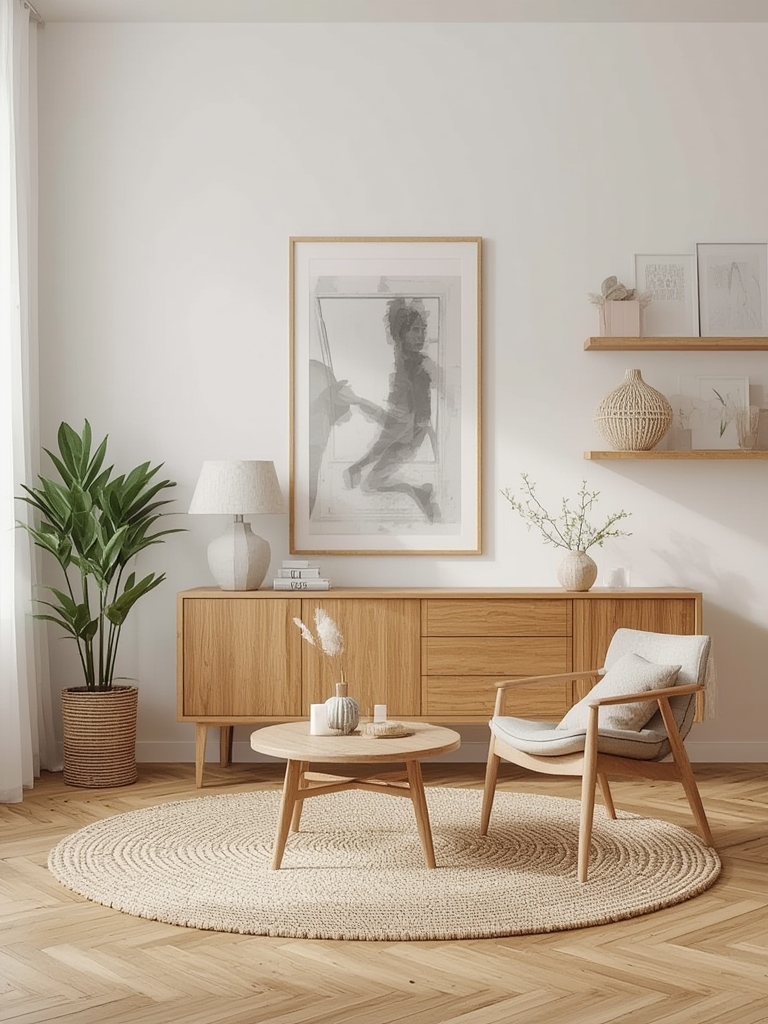
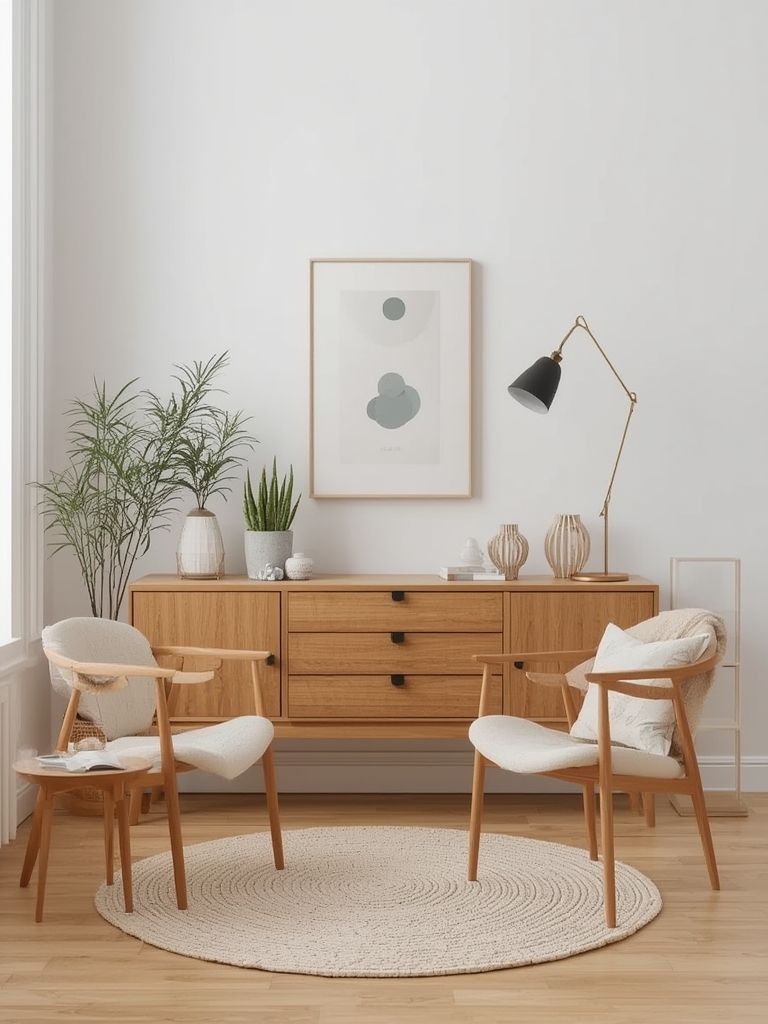
Scandinavian minimalist design has become a global benchmark for clean lines, functional elegance, and a soothing palette that makes any home feel both spacious and welcoming. By blending simple furniture with purposeful décor, you can create a sanctuary that promotes calm, productivity, and a connection to nature. Below is a data‑driven, step‑by‑step guide to curating a Scandinavian‑inspired interior, complete with practical tips for selecting and caring for a houseplant that enhances the aesthetic while improving indoor air quality.
Understanding the Core Principles of Scandinavian Minimalism
According to a 2023 interior‑design market report, 62% of consumers prioritize “functional simplicity” when renovating their homes. This trend reflects three core principles:
- Neutral Color Palette: Shades of white, gray, and muted pastels dominate, creating a bright backdrop that maximizes natural light.
- Functional Furniture: Pieces are designed for multiple uses—think a sleek coffee table with hidden storage or a modular sofa that can be reconfigured.
- Natural Materials: Light woods (birch, pine, beech), wool, and linen add warmth without overwhelming the space.
Step 1: Assess Your Space and Define a Layout
Measure and Map
Start by measuring each room’s length, width, and ceiling height. Use a free online floor‑plan tool (e.g., Planner 5D) to create a scaled layout. This visual aid helps you avoid overcrowding—a common pitfall that defeats the minimalist ethos.
Identify Focal Points
Choose a natural focal point, such as a large window or a fireplace, and arrange furniture to draw the eye toward it. In a living room, a low‑profile sofa placed perpendicular to a window can frame the view while allowing ample floor space.
Step 2: Choose Functional Furniture Pieces
Invest in Multi‑Purpose Items
Data from the Furniture Industry Association (2022) shows a 48% increase in sales of modular furniture. Look for:
- Storage Ottomans: Provide seating and hide blankets or magazines.
- Wall‑Mounted Desks: Free up floor area while maintaining a sleek silhouette.
- Expandable Dining Tables: Accommodate guests without permanent bulk.
Prioritize Quality Light Woods
Scandinavian design favors light, sustainably sourced woods. When shopping, ask for FSC certification to ensure responsible forestry. Light woods reflect more light, making rooms appear larger—a benefit confirmed by a 2021 lighting study that reported a 15% increase in perceived space when using light‑tone flooring.
Step 3: Add Textural Warmth Without Clutter
Layer with Natural Textiles
Introduce texture through:
- Wool throws in muted earth tones.
- Linen cushion covers with subtle geometric patterns.
- Sheepskin rugs placed strategically near seating areas.
Keep Accessories Minimal
Limit decorative objects to three per surface. Choose items with clean lines—such as a ceramic vase or a matte‑finished metal lamp—to maintain visual harmony.
Step 4: Integrate a Houseplant for Freshness and Air Quality
Plants are a cornerstone of Scandinavian interiors, offering a touch of nature and health benefits. The NASA Clean Air Study identified the Snake Plant (Sansevieria trifasciata) as one of the top air‑purifying species, making it an ideal companion for a minimalist space.
Step 5: Care Guide for the Snake Plant
Step 5.1: Selecting the Right Pot
Choose a terracotta or matte white ceramic pot with drainage holes. A pot that’s 2‑3 inches larger than the root ball encourages healthy growth without excess soil, which can lead to root rot.
Step 5.2: Light Requirements
Snake plants thrive in bright, indirect light but can tolerate low‑light conditions. Position the plant near a north‑facing window or a few feet from a sunny east‑facing window. If natural light is limited, a LED grow light set to 12‑hour cycles works well.
Step 5.3: Watering Schedule
Over‑watering is the most common mistake. Water only when the top 2‑3 cm of soil feels dry—typically every 2‑3 weeks in summer and once a month in winter. Use room‑temperature water and ensure excess drains away.
Step 5.4: Soil Mix
Use a well‑draining cactus or succulent mix (1 part potting soil, 1 part perlite, 1 part coarse sand). This composition mimics the plant’s native arid environment and prevents moisture buildup.
Step 5.5: Fertilizing
Feed once during the growing season (spring–early summer) with a diluted (½ strength) balanced liquid fertilizer. Skip fertilizing in fall and winter when the plant’s growth naturally slows.
Step 5.6: Pruning and Maintenance
Remove any yellowed or damaged leaves at the base using clean, sharp scissors. This promotes airflow and reduces the risk of fungal issues.
Step 6: Styling the Plant Within the Scandinavian Theme
Placement Tips
Place the snake plant on a low‑profile wooden side table or a woven basket to echo the natural material palette. Position it opposite a window to balance light distribution across the room.
Pairing with Décor
Combine the plant with a simple, geometric metal lamp or a set of matte black picture frames. The contrast of the plant’s vertical lines against the horizontal lines of furniture creates visual interest without clutter.
Step 7: Final Touches and Ongoing Maintenance
Seasonal Adjustments
During winter, reduce watering frequency and move the plant away from drafty doors. In summer, increase watering slightly and rotate the pot 90° every month for even growth.
Cleaning Surfaces
Dust furniture weekly with a microfiber cloth to maintain the crisp, clean look that defines Scandinavian interiors. For wood surfaces, a light application of natural oil (e.g., Danish oil) every six months preserves the finish and enhances durability.
Conclusion
By following these data‑backed steps—starting with a measured layout, selecting multifunctional light‑wood furniture, adding subtle textures, and incorporating a low‑maintenance air‑purifying plant—you can achieve a truly Scandinavian minimalist home that feels both functional and inviting. The result is a space where every element serves a purpose, and every detail contributes to a serene, harmonious living environment.