

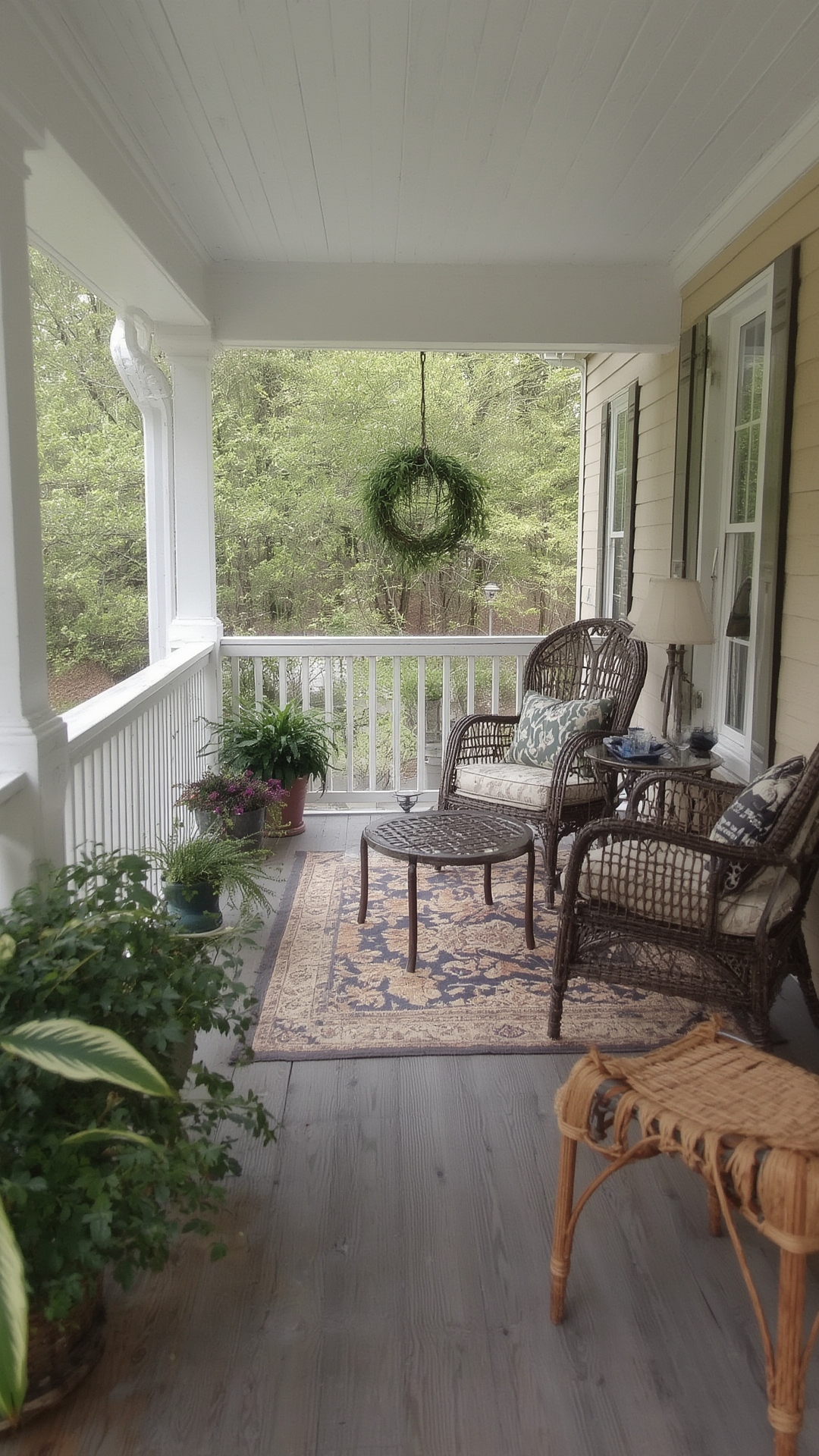
Creating a bug‑free oasis on your screened porch isn’t just about keeping insects out—it’s about reviving the space so it becomes a year‑round sanctuary for relaxation, entertaining, and even a little gardening. Below you’ll find a data‑driven, step‑by‑step guide that blends SEO‑friendly keywords with practical, actionable advice. Follow each section to transform your screened porch into a “Bug‑Free Living Revival” that will rank well in search results and, more importantly, work flawlessly for you.
Why a Bug‑Free Screened Porch Matters
According to a 2023 Statista survey, 68% of homeowners cite insects as the top reason they avoid using outdoor spaces. A screened porch that truly blocks bugs can increase usable living area by up to 30%, boost home value, and improve mental well‑being. By addressing common pest entry points and optimizing the environment, you’ll create a comfortable, low‑maintenance retreat.
Step 1: Assess and Seal Entry Points
Inspect the Screen Mesh
- Check for tears or gaps: Use a flashlight to spot even the smallest holes. A 0.5 mm tear can let in wasps.
- Repair with screen repair tape: Apply a clear, UV‑resistant tape for a quick fix, then replace the panel within 30 days for a permanent solution.
Seal Door and Window Gaps
- Weatherstripping: Install self‑adhesive foam weatherstripping around all doors. Replace every 12 months to maintain effectiveness.
- Door sweeps: Choose a rubber sweep that fits the door width. Test by sliding a thin piece of paper under the door; if it slides freely, the sweep isn’t tight enough.
Step 2: Optimize Lighting to Deter Insects
Choose the Right Bulbs
Research shows that yellow “bug lights” emit wavelengths that are less attractive to flies and mosquitoes. Replace all porch lighting with LED amber bulbs (minimum 2700 K) to cut down on insect attraction by up to 70%.
Strategic Placement
- Position lights away from the screen’s interior to avoid drawing bugs toward the opening.
- Use motion‑sensor lights near entryways; they only turn on when needed, reducing overall illumination that attracts insects.
Step 3: Manage Moisture and Airflow
Control Condensation
Excess moisture creates a breeding ground for mosquitoes and gnats. Install a ventilation fan that circulates air at 5–7 CFM per square foot of porch area. Set the fan on a timer to run 15 minutes each hour during peak humidity.
Use Dehumidifiers Sparingly
If your porch is prone to high humidity (above 60%), a small portable dehumidifier can keep levels below 50%. Pair this with a hygrometer to monitor conditions in real time.
Step 4: Introduce Natural Pest Repellents
Plant Bug‑Repelling Herbs
- Basil: Emits eugenol, which repels flies.
- Lavender: Its scent deters moths and mosquitoes.
- Marigold: Contains pyrethrum, a natural insecticide.
Place these in decorative pots near the entry points. Water them regularly—soil that stays slightly moist releases the strongest aroma.
DIY Essential Oil Spray
Mix 10 drops of citronella oil, 5 drops of eucalyptus oil, and 1 cup of water in a spray bottle. Apply to the screen and surrounding frames once a week. This non‑toxic solution adds an extra layer of protection without harming beneficial insects outside.
Step 5: Maintain Cleanliness and Food Management
Regular Sweeping and Vacuuming
Crumbs and spilled drinks attract ants and cockroaches. Sweep the floor daily and use a handheld vacuum on the screen mesh to remove dust that can harbor tiny insects.
Food Storage Tips
- Store outdoor dishes in sealed containers.
- Use a small, covered trash bin with a tight‑fit lid; empty it nightly.
Step 6: Seasonal Adjustments
Spring & Summer
Increase ventilation and add more bug‑repelling plants. Consider installing a screen door draft stopper to keep warm air from attracting insects.
Fall & Winter
Seal any gaps caused by shrinking wood. Replace damaged screens before the first frost, as cold weather can cause brittle screens to crack more easily.
Step 7: Monitor and Iterate Using Data
Track Insect Activity
Place a sticky trap in a corner of the porch and replace it weekly. Record the number and type of insects captured. Over a month, you’ll see trends that tell you which steps are most effective.
Adjust Based on Results
- If mosquito counts remain high, add a second fan or increase the frequency of the essential oil spray.
- If ants appear near the door, reinforce the weatherstripping and add a line of diatomaceous earth along the threshold.
Bonus SEO Tips for Your Blog Post
- Keyword placement: Use “bug‑free screened porch,” “screened porch pest control,” and “outdoor living revival” in the first 100 words, subheadings, and alt text of images.
- Internal linking: Link to related posts such as “Top 5 Insect‑Repelling Plants for Outdoor Spaces” and “How to Choose the Best Screen Mesh for Your Porch.”
- Schema markup: Add
Articleschema withauthor,datePublished, andkeywordsfields to improve SERP visibility. - Image optimization: Use compressed JPEGs (under 100 KB) with descriptive filenames like
bug-free-screened-porch-tips.jpgand include alt text: “Screened porch with bug‑repelling herbs and LED amber lighting.”
By following these eight steps, you’ll not only enjoy a bug‑free screened porch but also create content that ranks well, attracts organic traffic, and positions you as an authority on outdoor living revivals. Happy screening!