
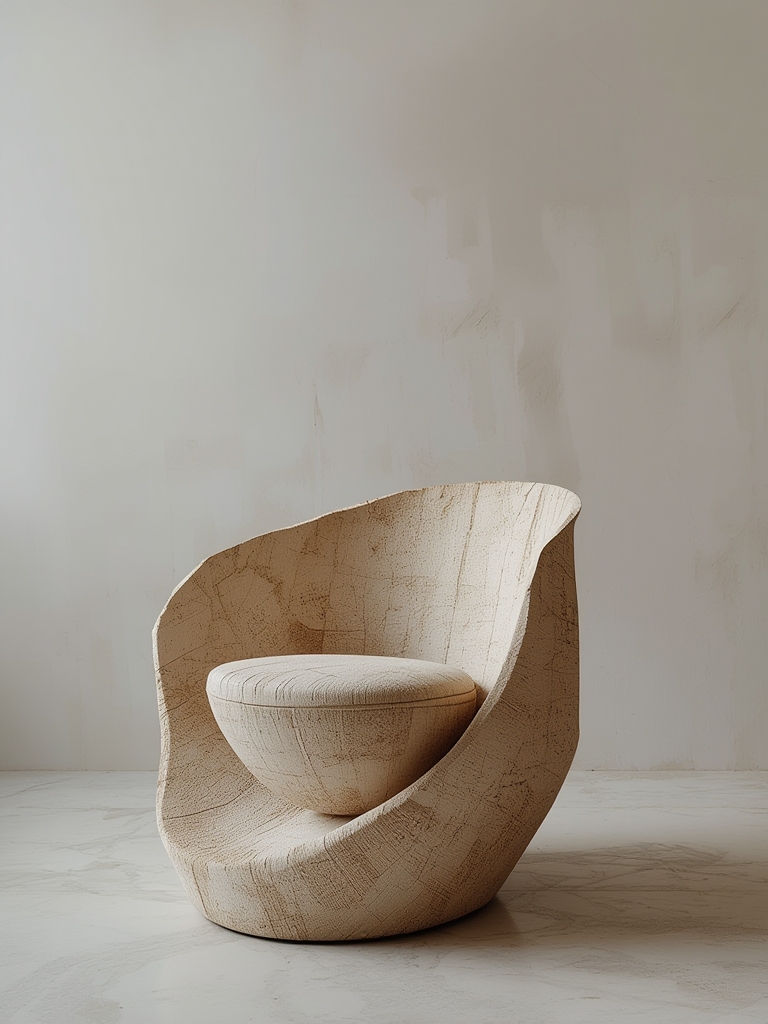
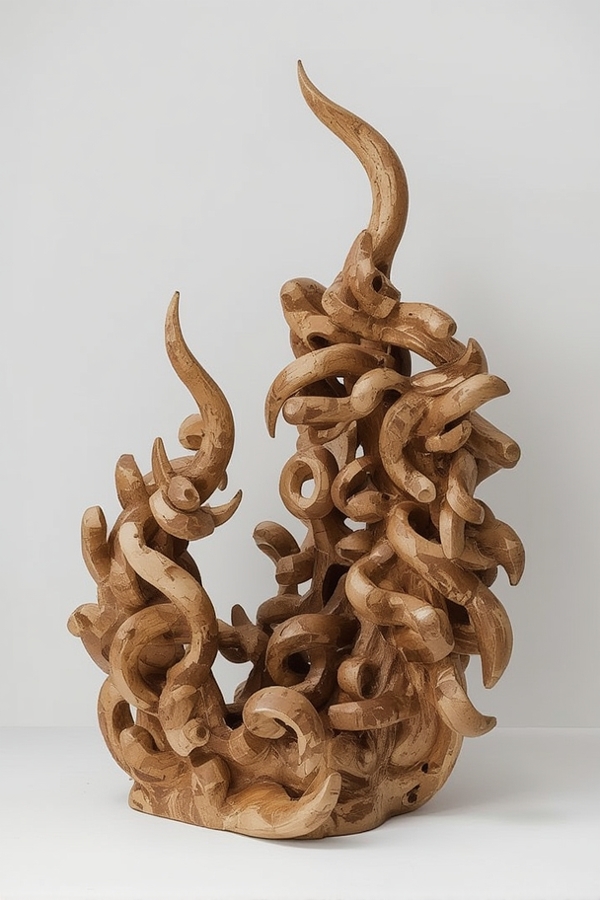
When a piece of furniture transcends its utilitarian purpose and becomes a conversation‑starter, it transforms a room into a gallery. Sculptural furniture—think fluid, asymmetrical chairs, geometric coffee tables, and organically‑shaped shelving—offers the perfect blend of art and function. In this guide we’ll explore why these pieces work so well in modern homes, how to select the right statement item, and the practical steps to keep both the furniture and its accompanying greenery looking fresh and vibrant.
Why Sculptural Furniture Works as Functional Art
Visual impact that anchors a room
Unlike traditional furniture, sculptural pieces draw the eye with bold lines, unexpected curves, and striking materials such as reclaimed wood, metal, or molded resin. This visual weight creates a focal point, making it easier to arrange surrounding décor without feeling cluttered.
Versatility across design styles
Whether your home leans minimalist, industrial, or bohemian, a well‑chosen sculptural item can bridge gaps between styles. A sleek marble pedestal table can complement both a mid‑century sofa and a rustic woven rug, allowing you to experiment with textures and colors.
Functional benefits that justify the investment
Beyond aesthetics, these pieces are built for durability. Many designers collaborate with skilled artisans who use high‑quality joinery and finishes, ensuring that a sculptural chair isn’t just a pretty object but a comfortable, long‑lasting seat.
Choosing the Right Piece for Your Space
Assess the room’s scale and traffic flow
Measure the floor area and note high‑traffic zones. A large, sweeping sofa with sculptural arms works best in spacious living rooms, while a compact, curvy side table fits snugly in a hallway nook. Leave at least 36‑inches of clearance around each piece to maintain easy movement.
Match materials to existing finishes
If your home already features warm wood tones, consider a sculptural piece in walnut or reclaimed pine. For a cooler palette, opt for brushed steel or glass. Consistency in material families creates cohesion, while a contrasting finish can become the room’s highlight.
Prioritize comfort and ergonomics
Even the most artistic chair should support the body. Test the seat depth, backrest angle, and arm height. Look for features like padded cushions or contoured frames that encourage relaxed sitting without sacrificing the piece’s visual drama.
Caring for Your Sculptural Furniture: Maintenance Tips
Regular dusting and gentle cleaning
Use a soft microfiber cloth to dust surfaces weekly. For metal or resin finishes, a lightly dampened cloth with a mild dish soap solution removes fingerprints. Avoid abrasive cleaners that can dull polished surfaces.
Protect against sunlight and humidity
Place furniture away from direct sunlight to prevent fading or warping. In humid climates, use a dehumidifier or place silica gel packets in cabinets to guard against moisture‑induced swelling, especially for wooden sculptures.
Polish and reseal when needed
Every 6‑12 months, apply a furniture‑specific polish or wax to restore shine. For pieces with a protective lacquer, a thin coat of clear polyurethane can extend durability, but test on an inconspicuous area first.
Integrating Living Green: Plant Care Steps to Complement Your Artful Furniture
Step 1: Choose a plant that matches the furniture’s style
Pair a sleek, metallic coffee table with a tall, architectural snake plant (Sansevieria) for a modern vibe. For a warm, wooden sculptural bench, a cascading pothos (Epipremnum aureum) adds a soft, organic contrast. Selecting a plant with complementary form enhances the overall aesthetic.
Step 2: Position the plant for optimal light
Place the plant near a window that receives bright, indirect light—ideally 4‑6 hours daily. If the furniture sits in a low‑light corner, opt for low‑light tolerant species like ZZ plant (Zamioculcas zamiifolia). Use a lightweight, decorative pot that echoes the furniture’s material (e.g., a concrete planter for metal pieces).
Step 3: Water correctly to avoid over‑ or under‑watering
- Check soil moisture: Insert your finger 1‑2 inches into the soil; if it feels dry, water.
- Water amount: Pour until water drains from the bottom hole, then discard excess to prevent root rot.
- Frequency: Most indoor plants need watering every 7‑10 days; adjust based on season and humidity.
Step 4: Feed with a balanced fertilizer
During the growing season (spring‑early fall), apply a liquid houseplant fertilizer diluted to half strength once a month. This promotes healthy foliage without causing rapid, weak growth that could outshine the sculptural piece.
Step 5: Prune and groom regularly
Trim yellowing leaves and shape the plant to maintain a tidy silhouette. Use clean, sharp scissors and remove any dead foliage at the base. This not only keeps the plant healthy but also preserves the visual balance with your furniture.
Step 6: Rotate the plant for even growth
Turn the pot a quarter turn every two weeks. This ensures all sides receive equal light, preventing a lopsided appearance that could clash with the symmetry of a sculptural table or shelf.
Putting It All Together: A Sample Room Layout
Imagine a living room with a high‑ceiling, exposed brick wall. Place a sculptural, curved walnut coffee table at the center. On one side, add a low‑profile, tufted sofa in neutral linen. Position a tall snake plant in a matte black concrete pot beside the sofa, aligning the plant’s vertical line with the table’s sweeping curve. Finish the look with a woven rug that echoes the wood’s grain, and you have a harmonious blend of art, comfort, and nature.
Final Thoughts
Sculptural furniture offers more than just a place to sit or store items—it injects personality and artistic flair into everyday living spaces. By thoughtfully selecting pieces that suit your room’s scale, matching materials, and maintaining both the furniture and its plant companions, you create a dynamic environment that feels curated yet lived‑in. Follow the practical steps outlined above, and watch your home transform into a gallery of functional art that welcomes both eyes and bodies.