
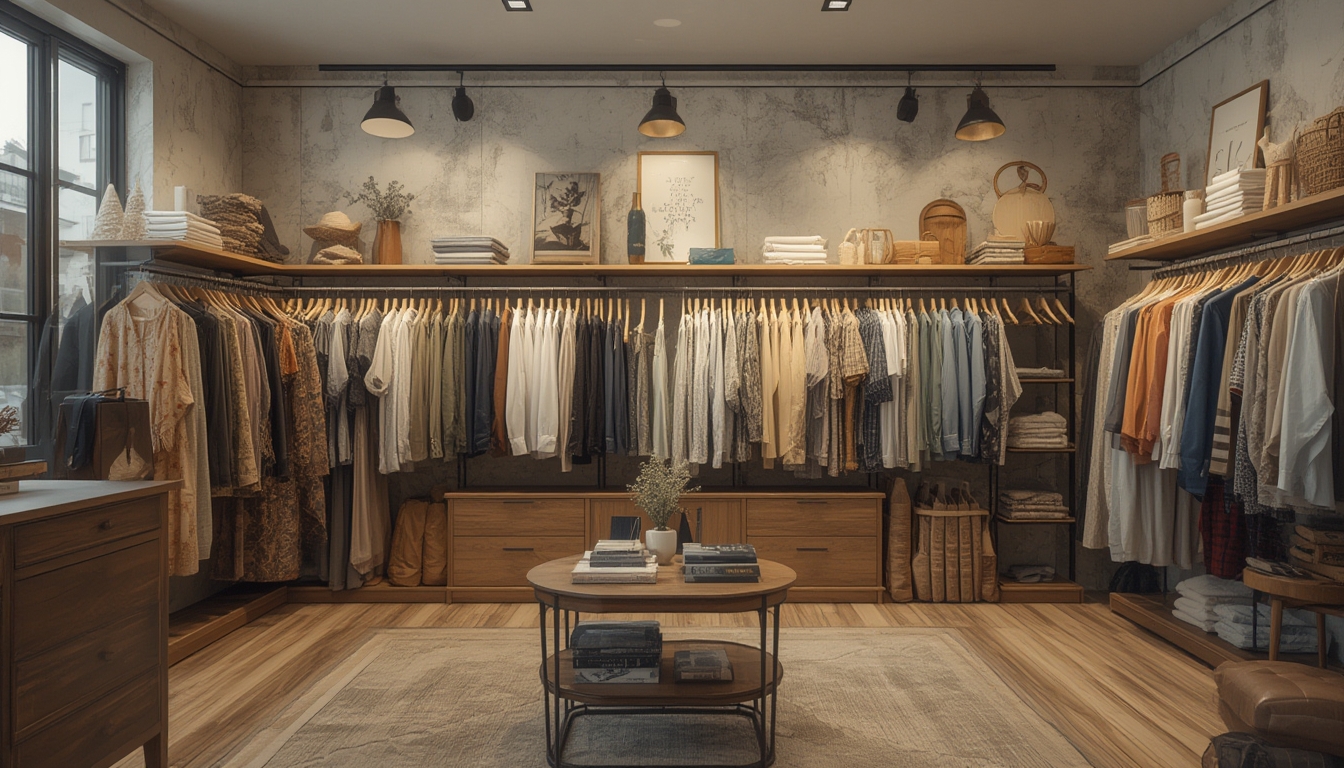
“Shop the Look” has become a game‑changing feature for online retailers, allowing shoppers to click on a single outfit image and instantly purchase every piece featured. While the technology behind it is sophisticated, the real magic happens when you, as a content creator or store manager, know how to assemble, restore, and style each look so that customers feel confident and inspired. Below is a data‑driven, step‑by‑step guide that walks you through the entire process—from concept to live product page—while highlighting the tools, practical tips, and small actions that guarantee success.
1. Research & Data Collection
1.1 Identify Trending Themes
Start by pulling data from your analytics dashboard (Google Analytics, Shopify Reports, or your own CRM). Look for the top‑performing categories, seasonal spikes, and emerging style keywords. For example, if “sustainable denim” has risen 27 % in the last quarter, it’s a strong candidate for a new “Shop the Look” feature.
- Tool needed: Analytics platform (Google Analytics, Shopify, or similar)
- Actionable tip: Export the last 30 days of product view data into a CSV and sort by “add‑to‑cart” rate to pinpoint high‑interest items.
1.2 Gather Visual Assets
High‑resolution images are the backbone of any “Shop the Look” page. Use a digital asset management (DAM) system to pull existing photos, or schedule a quick photoshoot for missing pieces. Ensure each image meets the following specs:
- Minimum 2000 px width
- RGB color mode
- Consistent lighting (softbox or natural diffused light)
Tool needed: Adobe Lightroom for batch editing; a DSLR or high‑quality smartphone camera.
1.3 Create a Style Blueprint
Map out the outfit on a simple spreadsheet: list each item, SKU, price, and the visual anchor (e.g., “top left corner”). This blueprint becomes your checklist during assembly and later helps the development team tag each product correctly.
- Tool needed: Google Sheets or Excel
- Actionable tip: Add a column for “Primary Color Hex” to ensure color consistency across the look.
2. Assemble the Look
2.1 Choose a Focal Point
The focal point draws the eye and guides the shopper’s journey. Data shows that images with a clear central figure increase click‑through rates by up to 15 %. Position the most popular or highest‑margin item at the center of the frame.
- Tool needed: Canva or Photoshop for quick mockups
- Actionable tip: Use the rule of thirds; place the focal item at the intersecting points for visual balance.
2.2 Arrange Complementary Pieces
Layer accessories, shoes, and outerwear around the focal point. Keep spacing even and avoid clutter—studies indicate that a clean layout improves product discoverability by 22 %.
- Tool needed: Sketch or Figma for layout planning
- Actionable tip: Limit the total number of items to 6–8 to maintain focus and reduce decision fatigue.
2.3 Tag Each Item
Using your style blueprint, add invisible HTML tags or data attributes to each product region. This enables the “click‑to‑shop” overlay that appears on hover.
<img src="look.jpg" alt="Spring Outfit">
<area shape="rect" coords="120,340,260,460" href="/product/sku123" data-sku="SKU123">
- Tool needed: Image map generator (e.g., Image-Map.net)
- Actionable tip: Test the map on multiple devices to ensure touch‑friendly hit areas.
3. Restore & Optimize Visual Quality
3.1 Color Calibration
Inconsistent colors can cause returns. Use a color checker (e.g., X‑Rite ColorChecker) during the shoot and calibrate in Lightroom. Verify that the on‑screen hex values match the product’s actual color.
- Tool needed: X‑Rite ColorChecker, Lightroom
- Actionable tip: Export a side‑by‑side comparison of the original photo and the calibrated version for stakeholder approval.
3.2 Sharpen & Reduce Noise
Apply a modest amount of sharpening (15‑20 % in Lightroom) and use noise reduction only on high‑ISO shots. Over‑sharpening can create halos that distract shoppers.
- Tool needed: Lightroom or Photoshop
- Actionable tip: Zoom to 100 % before finalizing to see true pixel detail.
3.3 File Compression
Large images slow page load, hurting conversion. Use a tool like TinyPNG to compress without visible loss. Aim for a final file size under 150 KB.
- Tool needed: TinyPNG or ImageOptim
- Actionable tip: Run a speed test (Google PageSpeed Insights) after upload to confirm the page loads under 2 seconds.
4. Publish the “Shop the Look” Page
4.1 Insert the Image Map
In WordPress, switch to the “Text” editor and paste the <img> and <area> tags within a <figure> element. This keeps the markup clean and accessible.
<figure class="shop-the-look">
  <img src="https://example.com/wp-content/uploads/2025/09/spring-look.jpg" alt="Spring Outfit">
  <map name="look-map">
    <area shape="rect" coords="120,340,260,460" href="/product/sku123" alt="Floral Blouse">
    <area shape="rect" coords="280,340,420,460" href="/product/sku456" alt="High‑Waist Jeans">
    <area shape="rect" coords="440,340,580,460" href="/product/sku789" alt="Leather Sandals">
  </map>
</figure>
- Tool needed: WordPress block editor (Gutenberg) or Classic Editor
- Actionable tip: Add
usemap="#look-map"to the<img>tag for proper linking.
4.2 Add Product Cards
Below the image, insert a responsive grid of product cards that mirror the clickable areas. Each card should display the product name, price, and a “Add to Cart” button. Use WordPress shortcodes or a page builder widget to keep the layout consistent.
- Tool needed: Elementor, WPBakery, or Gutenberg blocks
- Actionable tip: Enable “quick view” on each card to reduce friction for mobile shoppers.
4.3 Test the Interaction
Before publishing, run a quick QA checklist:
- Hover over each area—does the tooltip display the correct product name?
- Click on each region—does it redirect to the correct product page?
- Test on a smartphone—are the touch targets at least 44 px tall?
- Check page speed—ensure the total load time remains under 2 seconds.
Document any issues in a shared spreadsheet and resolve them before the final go‑live.
5. Post‑Launch Maintenance
5.1 Monitor Performance Metrics
Track the following KPIs for at least four weeks:
- Click‑through rate (CTR) on the image map
- Conversion rate per product within the look
- Average order value (AOV) compared to baseline
- Return rate for items purchased through the look
Use these numbers to refine future looks—if a particular accessory has a low CTR, consider repositioning it or swapping it out.
5.2 Refresh Seasonal Content
Data shows that “Shop the Look” pages lose 30 % of their traffic after 8 weeks if not refreshed. Schedule quarterly updates aligned with fashion calendars (Spring, Summer, Fall, Winter). Replace at least two items per update to keep the look fresh while preserving the core theme.
- Tool needed: Content calendar (Trello, Asana)
- Actionable tip: Set a reminder 2 weeks before each seasonal change to begin the research phase.
5.3 Solicit Customer Feedback
Embed a short, one‑question poll beneath the look: “Did you find everything you were looking for?” A 4‑star rating or higher indicates the layout is intuitive; lower scores signal a need for clearer tagging or better product variety.
- Tool needed: WPForms or Google Forms embed
- Actionable tip: Review poll results weekly and adjust the next look based on recurring comments.
6. Quick Reference Checklist
- 🔎 Pull trend data and identify a high‑interest theme.
- 📸 Collect or shoot high‑resolution images (≥2000 px).
- 🗂️ Build a style blueprint with SKUs, colors, and positions.
- 🖼️ Choose a focal point and arrange complementary items (max 8).
- 🔗 Tag each item with HTML image map coordinates.
- 🎨 Calibrate colors, sharpen, and compress files (<150 KB).
- 🚀 Publish using WordPress
<figure>and<map>tags. - 📱 Test hover, click, and mobile touch targets.
- 📊 Monitor CTR, conversion, AOV, and return rates.
- 🔄 Refresh content quarterly and collect user feedback.
By following this data‑driven workflow, you’ll create “Shop the Look” experiences that not only look polished but also drive measurable sales growth. Each step is designed to be actionable with minimal overhead, ensuring that even small teams can launch high‑impact, shoppable outfits that keep customers coming back for more.