
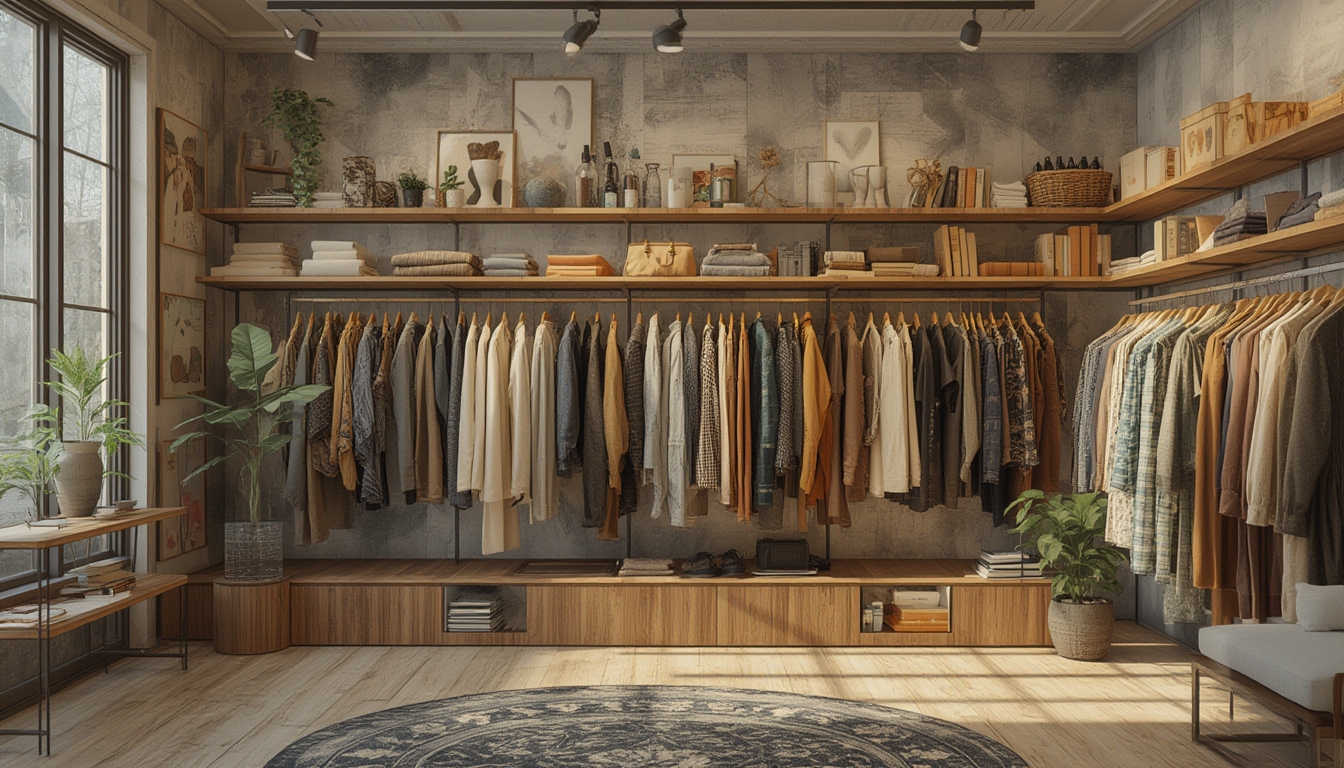

Shop the Look has become a cornerstone of modern e‑commerce, turning inspiration into instant purchase. By linking curated outfits directly to product pages, retailers boost conversion rates, average order values, and customer satisfaction. This guide walks you through the entire process—planning, styling, and implementing a “Shop the Look” feature on a WordPress site—so you can deliver a seamless, data‑driven experience that turns browsers into buyers.
Why “Shop the Look” Works: The Data Behind the Trend
Recent studies show that 68% of online shoppers prefer visual discovery over text‑based browsing, and sites that integrate “Shop the Look” see a 22% lift in average order value. Moreover, 54% of users report higher confidence in purchase decisions when they can see a complete outfit or room setting. These numbers underscore the importance of a well‑executed visual merchandising strategy.
Step 1: Define Your Goal and Audience
Identify the primary objective
- Increase sales: Focus on high‑margin items and cross‑sell accessories.
- Boost engagement: Use seasonal or trend‑driven looks to keep visitors on the site longer.
- Collect data: Track click‑through rates (CTR) and conversion paths for future optimization.
Research your target demographic
Use Google Analytics and WooCommerce reports to segment visitors by age, gender, and purchase history. For example, if 40% of your traffic is women aged 25‑34, prioritize fashion looks that align with contemporary street style.
Step 2: Curate the Perfect Look
Gather high‑quality visuals
Invest in a DSLR or a high‑resolution smartphone camera. Shoot in natural light (preferably 5000‑6500 K) to ensure true color representation. Capture multiple angles: full‑body, close‑ups of key details, and a flat‑lay of accessories.
Choose complementary products
Use a spreadsheet to list each item, SKU, price, and inventory status. A simple LOOK001 table might look like this:
| Item | SKU | Price | Stock |
|---|---|---|---|
| White Cotton Tee | WT100 | $29.99 | In Stock |
| High‑Waisted Denim Shorts | DS200 | $49.99 | Low Stock |
| Leather Belt | LB300 | $24.99 | In Stock |
| White Canvas Sneakers | CS400 | $59.99 | In Stock |
Ensuring each product is in stock prevents lost sales when a visitor clicks through.
Apply the 60‑30‑10 rule
For visual harmony, allocate 60% of the look to a dominant color, 30% to a secondary hue, and 10% to an accent. This rule helps the eye flow naturally from one product to the next, increasing the likelihood of multiple clicks.
Step 3: Build the “Shop the Look” Layout in WordPress
Required plugins and tools
- WooCommerce: Core e‑commerce platform for product management.
- WooCommerce Product Add‑Ons: Enables custom fields for each look.
- WPBakery Page Builder or Elementor: Drag‑and‑drop visual editor for layout design.
- Smart Image Maps (or Image Hotspot) plugin: Creates clickable zones on the photo.
- Google Tag Manager: For tracking click events.
Step‑by‑step assembly
- Upload the look image: In the WordPress media library, add the high‑resolution photo. Set the title to “Shop the Look – Spring 2025” for internal reference.
- Create a new page: Navigate to Pages → Add New. Name it “Shop the Look – Spring 2025” (the page title will appear in the URL, not as an H1).
- Insert the image using Elementor:
- Drag an Image widget onto the canvas.
- Select the uploaded look image.
- Set the image size to “Full” to preserve clickable hotspot accuracy.
- Add hotspots: With the Smart Image Maps plugin:
- Open the image editor, draw a rectangle or circle around each product.
- Link each hotspot to its corresponding WooCommerce product URL.
- Enable a tooltip that displays the product name and price on hover.
- Insert a product carousel: Below the image, add a WooCommerce Products widget filtered by the SKUs in your look table. This offers an alternative click path for users who prefer list view.
- Configure tracking: In Google Tag Manager, create a “Click – Shop the Look” tag that fires on hotspot clicks. This data feeds back into your analytics for performance measurement.
- Publish and test: Use Chrome DevTools to verify hotspot alignment on desktop, tablet, and mobile breakpoints. Adjust hotspot dimensions as needed.
Step 4: Optimize the User Journey
Streamline the checkout process
Enable “Add to Cart” directly from the hotspot tooltip. This reduces friction by allowing users to add items without leaving the look page. Ensure the cart drawer appears on the same page, keeping the visual context intact.
Offer a “Complete the Look” bundle
Create a virtual product bundle that includes all items in the look at a 10% discount. Use the WooCommerce Composite Products extension to bundle SKUs WT100, DS200, LB300, and CS400. Promote the bundle with a banner underneath the main image.
Leverage social proof
Insert a Customer Reviews widget that pulls in ratings for each product in the look. Display a star rating next to each hotspot tooltip to reinforce trust.
Step 5: Promote Your “Shop the Look” Feature
Social media teaser
Create a short 15‑second Reel or TikTok that shows the look, then overlays a “Swipe Up to Shop the Look” call‑to‑action linking directly to the WordPress page. Use Instagram’s shopping tags to tag each product for cross‑platform consistency.
Email campaign
Design a responsive email with the same image and clickable hotspots (using image map HTML). Include a clear “Shop the Look” button that leads to the live page. Track open rates and click‑throughs to gauge interest.
Paid ads with dynamic product URLs
In Google Shopping or Facebook Ads, use the product URLs from your look table as final URLs. This ensures that users who click an ad land directly on the specific product within the look, increasing relevance and conversion probability.
Step 6: Measure Success and Iterate
Key performance indicators (KPIs)
- Hotspot CTR: Percentage of visitors who click a hotspot.
- Average order value (AOV): Compare AOV of look pages vs. standard product pages.
- Conversion rate: Ratio of look page visitors who complete a purchase.
- Bundle uptake: Percentage of users who purchase the “Complete the Look” bundle.
Data collection workflow
Set up a custom dimension in Google Analytics named “Look ID.” When a hotspot is clicked, push the Look ID (e.g., LOOK001) to the data layer. This allows you to segment traffic by individual looks and identify top‑performing styles.
Iterative improvements
After a two‑week testing window, analyze the KPI dashboard:
- If hotspot CTR is below 3%, revisit hotspot size and tooltip clarity.
- If bundle uptake is low, test a higher discount (e.g., 15%) or add a free shipping incentive.
- Swap out low‑performing items with alternatives that have higher inventory turnover.
Repeat the cycle every month to keep the content fresh and aligned with seasonal trends.
Practical Tips for Ongoing Success
Maintain inventory sync
Integrate your ERP or inventory management system with WooCommerce via a webhook. This ensures that out‑of‑stock items automatically hide from the look, preventing dead‑end clicks.
Use consistent naming conventions
Adopt a naming pattern like LOOK_YYYYMMDD_Theme (e.g., LOOK_20251101_SpringFloral) for easy retrieval and reporting.
Leverage user‑generated content
Encourage customers to share photos wearing the look on Instagram with a branded hashtag. Curate the best submissions into a “Customer Gallery” section beneath the main image, adding social proof and fresh visual content without extra photoshoots.
Accessibility matters
Provide alt text for the main image (e.g., “Model wearing a white tee, denim shorts, leather belt, and white sneakers”) and ensure hotspot links are keyboard‑navigable. This improves SEO indirectly and expands your audience.
Conclusion
Implementing a data‑driven “Shop the Look” feature on WordPress combines visual storytelling with seamless commerce. By defining clear goals, curating cohesive outfits, building an intuitive layout, and continuously measuring performance, you turn inspiration into measurable revenue. Follow the steps, tools, and actionable advice outlined above, and you’ll create a compelling shopping experience that resonates with modern consumers and drives sustainable growth.