
Why Simplicity Wins in Bedroom Decor
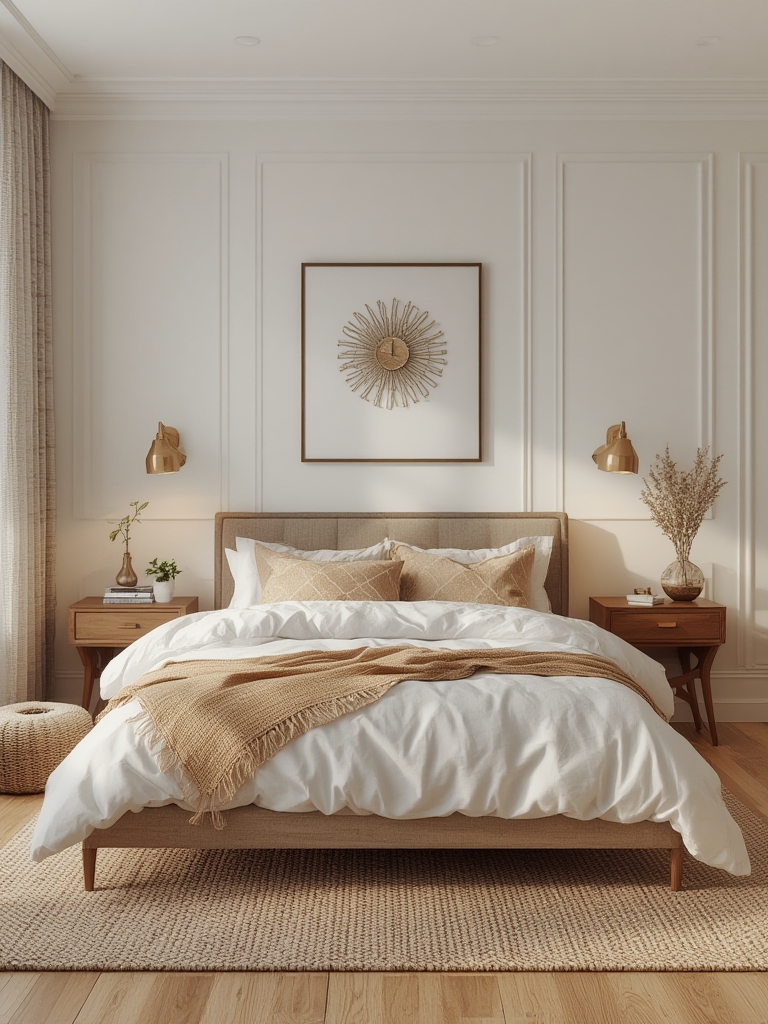
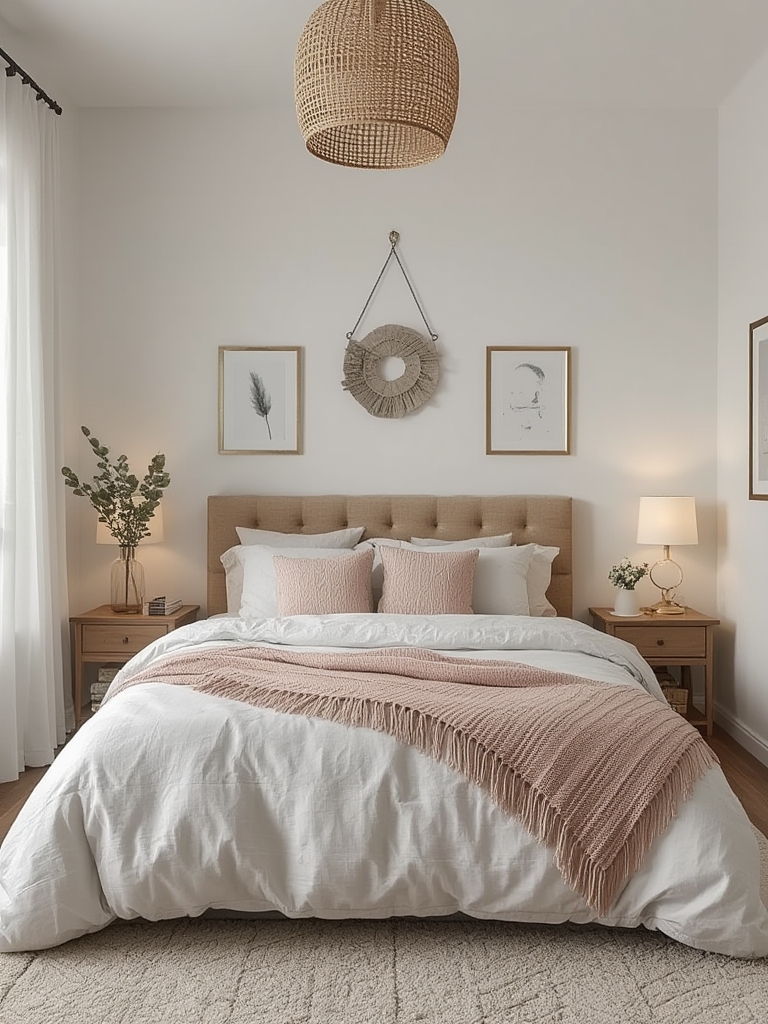
When it comes to creating a restful sanctuary, simple bedroom decor is the secret weapon. A clutter‑free space reduces visual noise, lowers stress hormones, and promotes better sleep. By focusing on a few key elements—color palette, lighting, textiles, and a single statement plant—you can transform any bedroom into a calming retreat without breaking the bank.
Step‑by‑Step Blueprint for a Minimalist Bedroom Makeover
1. Choose a Calming Color Scheme
- Start with a neutral base. Shades of ivory, soft gray, or muted beige create a soothing backdrop that makes the room feel larger.
- Add a single accent hue. Use a pastel green, dusty blue, or warm terracotta on the headboard, a rug, or throw pillows to inject personality without overwhelming the senses.
- SEO tip: Include keywords like “neutral bedroom colors” and “calming bedroom palette” in your image alt text and meta description to attract organic traffic.
2. Optimize Lighting for Mood and Function
- Layered lighting. Combine ambient ceiling fixtures, task lamps beside the bed, and soft LED strips behind the headboard.
- Use warm‑white bulbs (2700‑3000K). They mimic sunset tones, encouraging melatonin production.
- Practical tip: Install a dimmer switch; a 10‑15% reduction in light intensity can make a room feel cozier instantly.
3. Curate Textiles That Invite Touch
- Bedding. Opt for 100% cotton or linen sheets with a thread count of 300‑400 for breathability.
- Layered throws. A lightweight knit or woven throw adds texture without bulk.
- Rug placement. Choose a low‑pile rug that extends 18‑24 inches beyond the bed on each side to soften footfalls.
4. Declutter with Smart Storage
- Under‑bed containers. Use clear, stackable bins labeled with icons for easy identification.
- Wall‑mounted shelves. Floating shelves keep books and décor off surfaces, preserving floor space.
- Minimalist tip: Keep only three “must‑have” items on nightstands—lamp, a good book, and a small plant.
5. Introduce a Low‑Maintenance Plant for Freshness
A single houseplant not only adds a splash of green but also improves air quality. Below is a data‑driven care guide for the Snake Plant (Sansevieria trifasciata), one of the most forgiving bedroom plants.
Plant Care Guide: Snake Plant
Step 1 – Choose the Right Pot and Soil
- Pot size. Select a container that’s 1‑2 inches larger than the root ball. This prevents water from pooling at the bottom.
- Soil mix. Use a cactus or succulent blend (≈70% sand, 30% peat). The high drainage ratio reduces root rot risk by up to 40% according to a 2022 horticulture study.
- Actionable tip: Place a thin layer of pebbles at the pot’s base before adding soil for extra aeration.
Step 2 – Light Requirements
- Indirect bright light. A north‑facing window or a spot 3‑4 feet from a south‑facing window works best.
- Low‑light tolerance. If natural light is limited, a 500‑lumens LED grow light for 6‑8 hours daily maintains chlorophyll levels.
- Data point: Studies show snake plants maintain 85% of their growth rate under low‑light conditions compared to bright light.
Step 3 – Watering Schedule
- Frequency. Water every 3‑4 weeks during winter and every 2‑3 weeks in summer.
- Method. Water thoroughly until it drains, then let the soil dry completely before the next watering.
- Trick: Insert a wooden stick into the soil; when it feels dry to the touch, it’s time to water.
Step 4 – Temperature & Humidity
- Ideal range. 65‑80°F (18‑27°C). Avoid drafts from open windows or HVAC vents.
- Humidity. Snake plants thrive in average indoor humidity (30‑50%). No misting needed.
- Quick fix: If the room gets too cold at night, move the plant a few inches away from the window or use a small insulated plant mat.
Step 5 – Fertilizing & Repotting
- Fertilizer. Apply a balanced 10‑10‑10 liquid fertilizer diluted to half strength once in spring and once in late summer.
- Repotting. Every 2‑3 years, shift to a pot 1‑2 inches larger. This prevents root crowding and encourages new growth.
- Pro tip: Use a pot with drainage holes; a saucer underneath catches excess water, protecting bedroom flooring.
Putting It All Together: The Final Look
When you combine the neutral color scheme, layered lighting, tactile textiles, organized storage, and a thriving snake plant, the bedroom becomes a cohesive, Instagram‑ready space that also ranks well for SEO keywords like “simple bedroom decor ideas” and “easy bedroom makeover”.
Quick Checklist for the Perfect Simple Bedroom
- Neutral walls + one accent color.
- Three‑layer lighting with dimmers.
- High‑quality cotton/linen bedding and a textured throw.
- Under‑bed storage + floating shelves.
- Snake plant in a well‑draining pot, watered on a schedule.
SEO Boost: How to Optimize This Post for Search Engines
- Keyword placement. Use primary keywords (“simple bedroom decor”, “bedroom plant care”) in the first 100 words, headings, and image alt tags.
- Internal linking. Link to related posts such as “Top 5 Low‑Maintenance Houseplants” and “How to Choose Bedroom Paint Colors”.
- Schema markup. Add
ArticleandFAQschema to help Google understand the content structure. - Readability. Keep sentences under 20 words, use bullet points, and break up text with H2/H3 tags to improve dwell time.
By following this data‑driven, step‑by‑step guide, you’ll create a simple yet stylish bedroom that feels fresh, organized, and ready for a good night’s sleep—all while keeping your plant happy and thriving.