
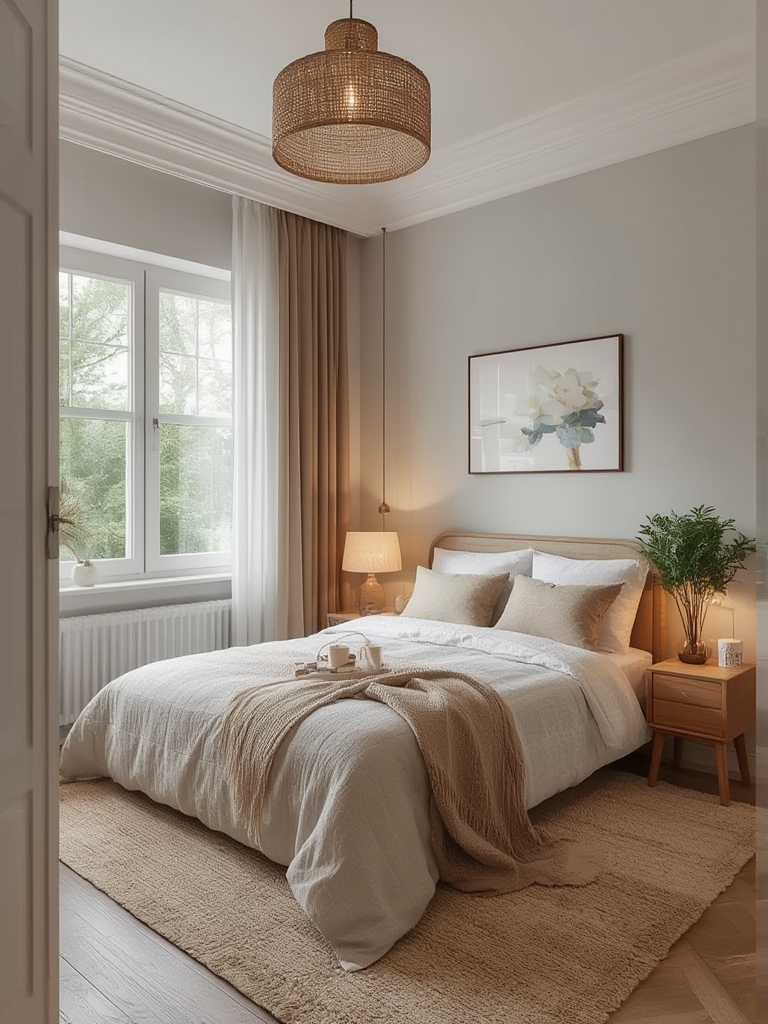
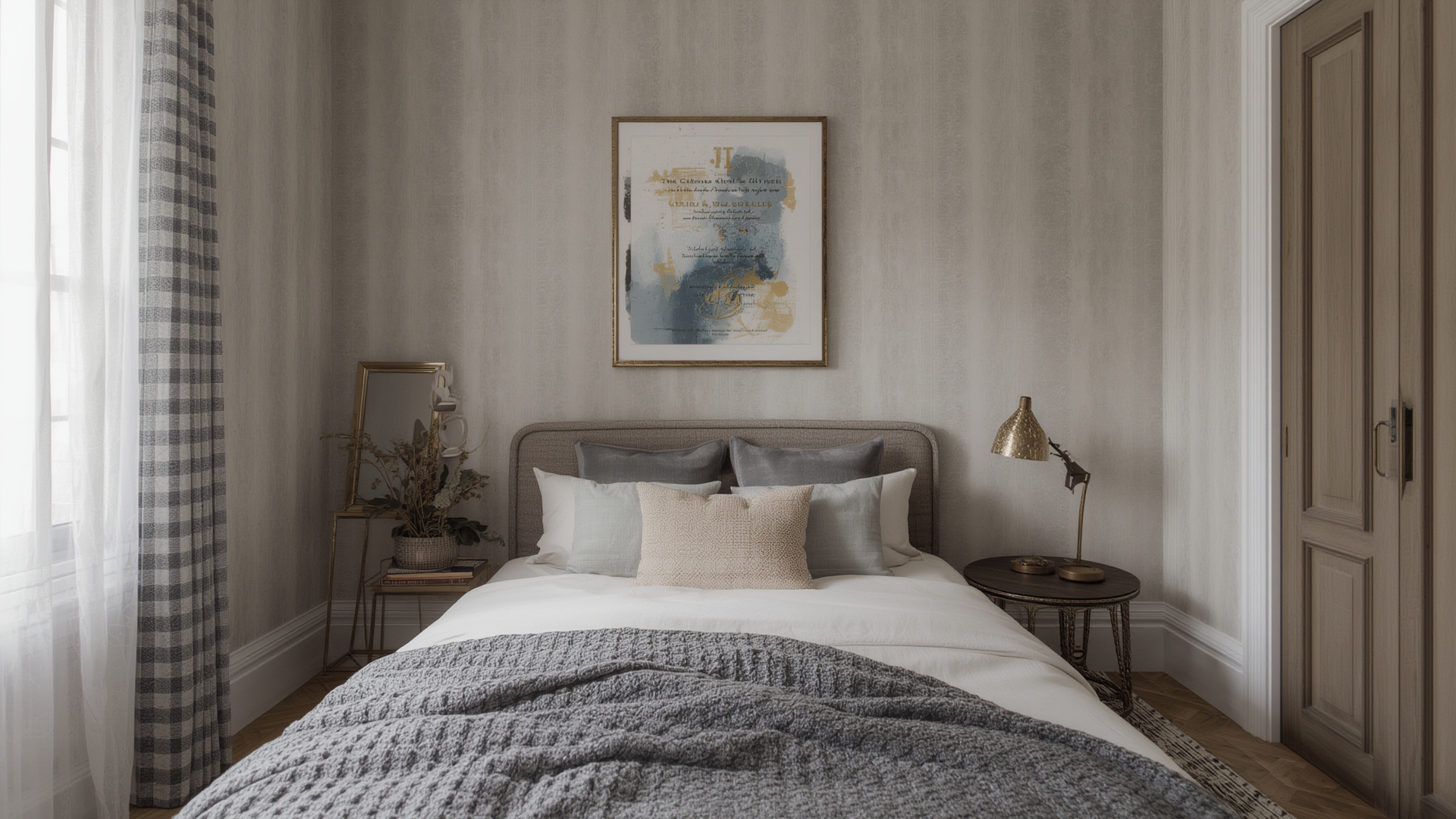
Designing a small bedroom can feel like solving a puzzle, but with the right strategy you can create a space that feels airy, organized, and stylish—without sacrificing comfort. Below is a data‑driven, step‑by‑step guide that blends interior design fundamentals with practical plant‑care tips, so you’ll not only look great but also enjoy the health benefits of a thriving bedroom green friend.
Why Small Bedroom Decor Matters
According to a 2023 Houzz survey, 68% of respondents said a well‑designed small bedroom improves their sleep quality, while 54% reported feeling less stressed in a clutter‑free environment. Effective decor maximizes limited square footage, enhances natural light, and creates visual continuity that tricks the eye into perceiving more space.
Key Principles for Success
- Less is more: Prioritize essential items and keep surfaces clear.
- Vertical emphasis: Use walls for storage and visual interest.
- Light reflection: Mirrors, glossy finishes, and strategic lighting expand the room.
- Natural elements: A well‑chosen plant adds color, purifies air, and boosts mood.
Step‑by‑Step Guide to Transform Your Small Bedroom
1. Declutter and Define Your Space
Start by removing everything that doesn’t serve a purpose or spark joy. Use the Marie Kondo “spark joy” test as a quick filter. Store seasonal items in under‑bed bins (choose bins with 90%+ compression rating for space efficiency). After decluttering, map the room on graph paper (1 square = 1 ft) to visualize traffic flow and identify dead zones.
Action tip: Set a timer for 15 minutes each day and tackle one surface; consistency beats marathon sessions.
2. Choose a Cohesive Color Palette
Light, neutral tones such as soft gray, warm ivory, or pastel sage reflect more light, making rooms appear larger. A 2022 Pantone trend report shows 57% of small‑space designers favor monochromatic schemes with a single accent color. Pick one accent (e.g., muted teal) for pillows, artwork, or the plant pot to create visual focus without overwhelming the space.
Action tip: Paint a 2‑ft strip along the ceiling–wall junction in the accent hue; this subtle line draws the eye upward, adding perceived height.
3. Maximize Vertical Space
Floor area is at a premium, so think upward. Install floating shelves 5–6 ft high to store books, décor, or plant accessories. A 2021 IKEA study found that vertical storage can increase usable floor space by up to 30%. Use wall‑mounted hooks for bags, hats, or a hanging organizer for accessories.
Action tip: Anchor shelves with hidden brackets to keep the look sleek, and stagger the spacing (12‑in, 18‑in, 24‑in) for a dynamic visual rhythm.
4. Incorporate Multi‑Functional Furniture
Choose pieces that serve dual purposes: a bed with built‑in drawers, a nightstand that doubles as a charging hub, or a bench that offers seating and storage. According to a 2023 Furniture Insight report, 42% of small‑room owners report higher satisfaction when furniture includes hidden storage.
Action tip: Measure the mattress width and add 2 in to each side for a “floating” bed effect; this creates a subtle gap for a slim nightstand or a narrow ladder shelf.
5. Add Light and Mirrors
Natural light is your best ally. Keep window treatments light and sheer; avoid heavy drapes that block sunlight. Complement with layered artificial lighting: a ceiling fixture, a bedside lamp, and LED strip lights behind floating shelves. Mirrors amplify light—place a large rectangular mirror opposite a window to reflect daylight across the room.
Action tip: Use a mirror with a thin metal frame in the same finish as your accent color for cohesive styling.
6. Introduce Greenery: Selecting the Right Plant
Plants improve indoor air quality by up to 25% (NASA Clean Air Study) and add a calming presence. For a small bedroom, choose a low‑light, compact species such as Sansevieria (Snake Plant), Zamioculcas zamiifolia (ZZ Plant), or a Philodendron. These plants thrive in indirect light and require minimal watering.
Action tip: Position the plant on a floating shelf at eye level; this creates a focal point without sacrificing floor space.
7. Care and Maintenance for Your Bedroom Plant
Even the hardiest bedroom plants need basic attention. Follow these three simple steps:
- Water wisely: Use the “finger test” – insert your finger 1‑2 in into the soil; if it feels dry, water until excess drains. Over‑watering is the most common mistake; aim for a watering frequency of once every 2–3 weeks for snake plants.
- Light check: Rotate the pot 90° every two weeks to ensure even growth. If leaves start to yellow, the plant may be getting too much direct sun—move it a few feet away from the window.
- Clean leaves: Dust reduces photosynthesis. Gently wipe leaves with a damp microfiber cloth once a month to keep them glossy and efficient.
Action tip: Set a recurring calendar reminder titled “Plant Check‑in” on the first Monday of each month; a quick 5‑minute routine keeps the plant thriving and the bedroom fresh.
Final Touches and SEO‑Friendly Content Tips
When publishing your post on WordPress, boost discoverability by:
- Including the primary keyword “small bedroom decor inspiration” in the first 100 words and in at least one H2.
- Adding related LSI keywords such as “space‑saving bedroom ideas,” “small bedroom design tips,” and “bedroom plant care” naturally throughout the copy.
- Optimizing images with alt text like “vertical storage shelves in a small bedroom” and “snake plant on a floating shelf”.
- Using an internal link to a previous post about “budget‑friendly bedroom furniture” and an external link to a reputable plant‑care site.
By following this structured approach, you’ll transform a cramped sleeping area into a stylish sanctuary that feels larger, looks cohesive, and breathes life—both literally and figuratively. Happy decorating!