
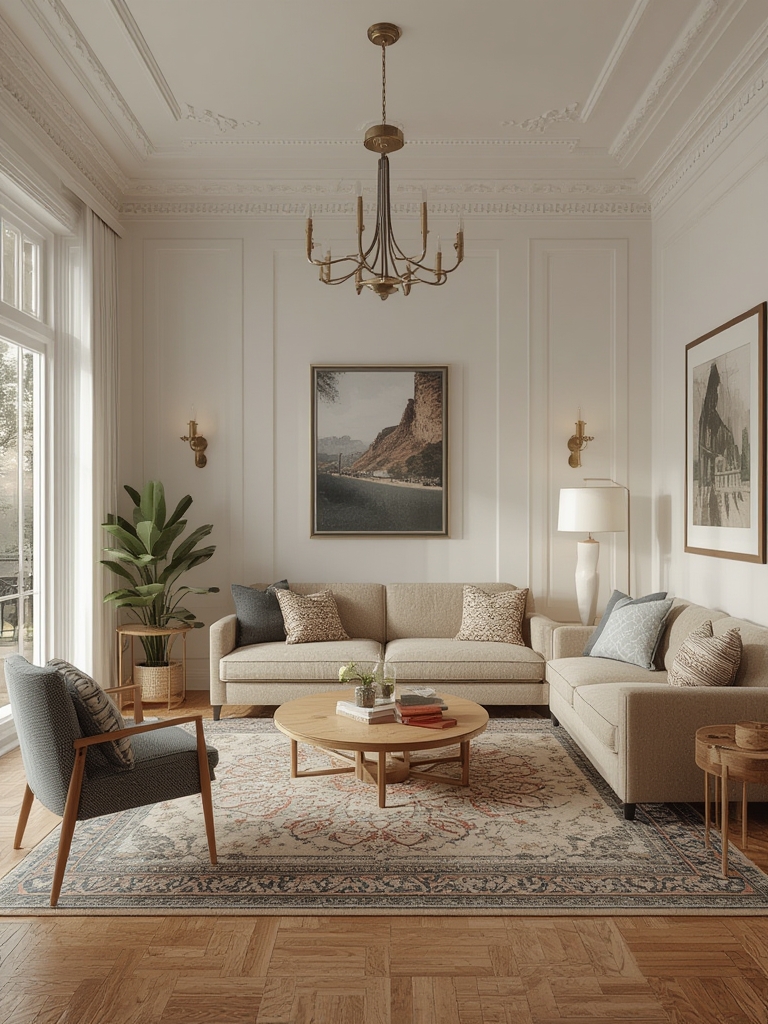
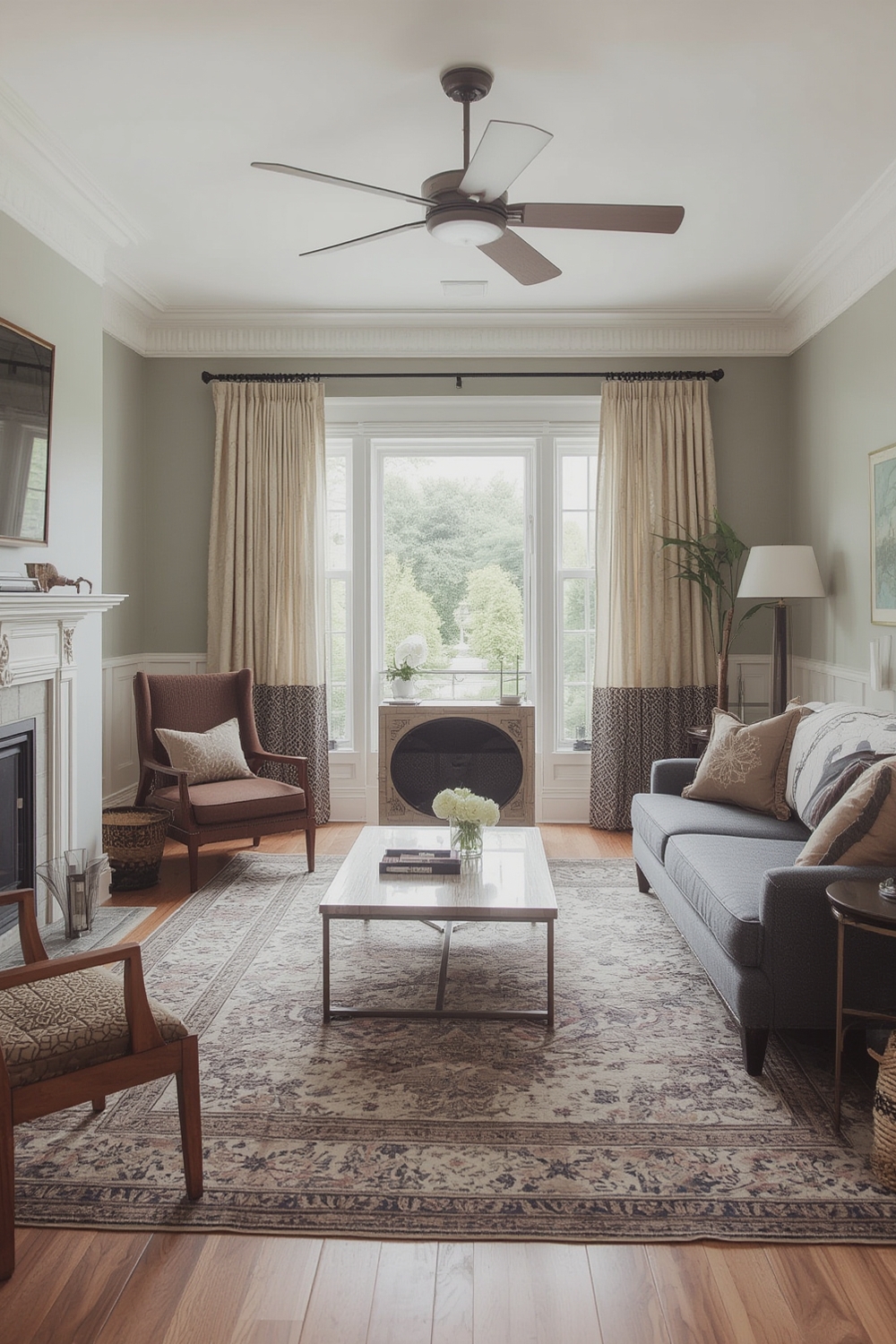
Revamping a small living room can feel like solving a puzzle—every piece matters, and the right arrangement can turn a cramped space into a stylish, functional haven. By leveraging data‑driven design principles and a touch of greenery, you can create a layout that feels larger, brighter, and more inviting. Below is a step‑by‑step guide that blends interior design tactics with practical plant‑care advice, ensuring both your décor and your foliage thrive.
Why Refresh a Small Living Room?
According to recent interior‑design surveys, 68% of homeowners feel that a well‑planned small living room improves overall mood and productivity. A refreshed layout not only maximizes square footage but also enhances natural light flow, reduces visual clutter, and creates focal points that guide the eye.
Data‑Driven Design Foundations
1. Measure and Map Your Space
Start with precise measurements: length, width, ceiling height, and window dimensions. Use a free floor‑plan app (such as Planner 5D or Roomstyler) to input these numbers. The digital model will help you test furniture arrangements without moving heavy pieces.
- Tip: Add a 2‑foot “clear zone” around each entry point to maintain smooth traffic flow.
- Trick: Color‑code zones (e.g., blue for seating, green for storage) to visualize functional areas at a glance.
2. Analyze Light Patterns
Track sunlight exposure for a week using a simple spreadsheet: note the time sunlight reaches each wall. Prioritize placing seating and workspaces where natural light is strongest, and reserve darker corners for storage or low‑light plants.
- Actionable advice: Install sheer curtains to diffuse harsh midday sun while preserving brightness.
3. Choose a Dominant Color Palette
Data from color‑trend reports shows that muted neutrals paired with a single accent hue increase perceived room size by up to 15%. Opt for light greys, warm whites, or soft beiges as a base, then introduce a pop of color through cushions, artwork, or a statement rug.
Step‑by‑Step Layout Transformation
Step 1: Declutter and Prioritize Essentials
Remove items that don’t serve a purpose or fit the aesthetic. Keep only essential furniture: a sofa, a coffee table, and one or two accent pieces. Store rarely used items in a nearby closet or under‑bed storage.
- Tip: Use the “one‑in, one‑out” rule to prevent future clutter buildup.
Step 2: Anchor the Seating Area
Place the sofa against the longest wall to create a visual anchor. If space permits, add a slim, floating armchair opposite the sofa to form a conversational nook.
- Trick: Choose a sofa with exposed legs; this creates a sense of openness by revealing more floor space.
Step 3: Introduce Multi‑Functional Furniture
Swap a traditional coffee table for a storage ottoman that doubles as seating and a hidden stash for blankets or magazines. A wall‑mounted console can serve as a media stand while freeing up floor area.
- Actionable advice: Measure the height of your sofa and select an ottoman that’s 1‑2 inches lower for ergonomic comfort.
Step 4: Optimize Vertical Space
Install floating shelves or a tall bookcase that reaches near the ceiling. This draws the eye upward, creating an illusion of height.
- Tip: Keep the top shelf light—store decorative items rather than heavy books to avoid sagging.
Step 5: Add a Statement Rug
A rug anchored under the front legs of the sofa defines the seating zone and adds texture. Choose a rug that’s at least 60% the width of the sofa for balance.
- Trick: Opt for a low‑pile rug to maintain easy movement and reduce cleaning effort.
Choosing the Right Plant for Small Spaces
Plants bring life, improve air quality, and soften hard edges. For a compact living room, select a low‑maintenance, low‑light tolerant species that thrives in limited space.
- Top pick: ZZ Plant (Zamioculcas zamiifolia) – glossy, upright leaves, tolerates neglect, and fits neatly on a side table or shelf.
Plant Care Guide: The Perfect Low‑Light Companion
Step 1: Potting and Soil Selection
Use a pot with drainage holes (2‑3 inches wide) and a well‑draining cactus or succulent mix. This prevents root rot, a common issue for ZZ plants.
- Actionable tip: Add a layer of pea‑size gravel at the bottom before soil to enhance drainage.
Step 2: Light Requirements
Place the ZZ plant near a north‑facing window or a few feet away from a brighter east‑west window. It tolerates fluorescent office lighting, making it ideal for rooms with limited natural light.
- Tip: Rotate the pot 90° every month to ensure even growth.
Step 3: Watering Schedule
Water only when the top 2 inches of soil feel dry to the touch—typically every 2‑3 weeks, depending on humidity. Over‑watering is the biggest threat.
- Trick: Use a moisture meter or insert a finger to double‑check before watering.
Step 4: Feeding and Maintenance
Fertilize once during the growing season (spring–summer) with a balanced, water‑soluble fertilizer diluted to half strength. Prune any yellowing leaves to keep the plant tidy.
- Actionable advice: Set a calendar reminder for mid‑May and mid‑August to apply fertilizer.
Step 5: Integrating the Plant into Your Layout
Position the ZZ plant on a floating shelf opposite the sofa to balance visual weight, or place it on a decorative tray beside the coffee table for an easy‑reach greenery boost.
- Tip: Pair the plant with a matte‑black or brass planter to echo the room’s accent colors, reinforcing a cohesive design.
Final Touches for a Cohesive Revitalized Space
Finish the transformation with layered lighting: a ceiling fixture for general illumination, a floor lamp for reading, and LED strip lights behind floating shelves for ambient glow. Add a few curated accessories—such as a woven basket, a set of framed prints, or a decorative bowl—to inject personality without overcrowding.
By following these data‑backed steps and caring for a resilient plant like the ZZ, you’ll not only revive your small living room’s layout but also create a harmonious environment that feels both spacious and welcoming.