
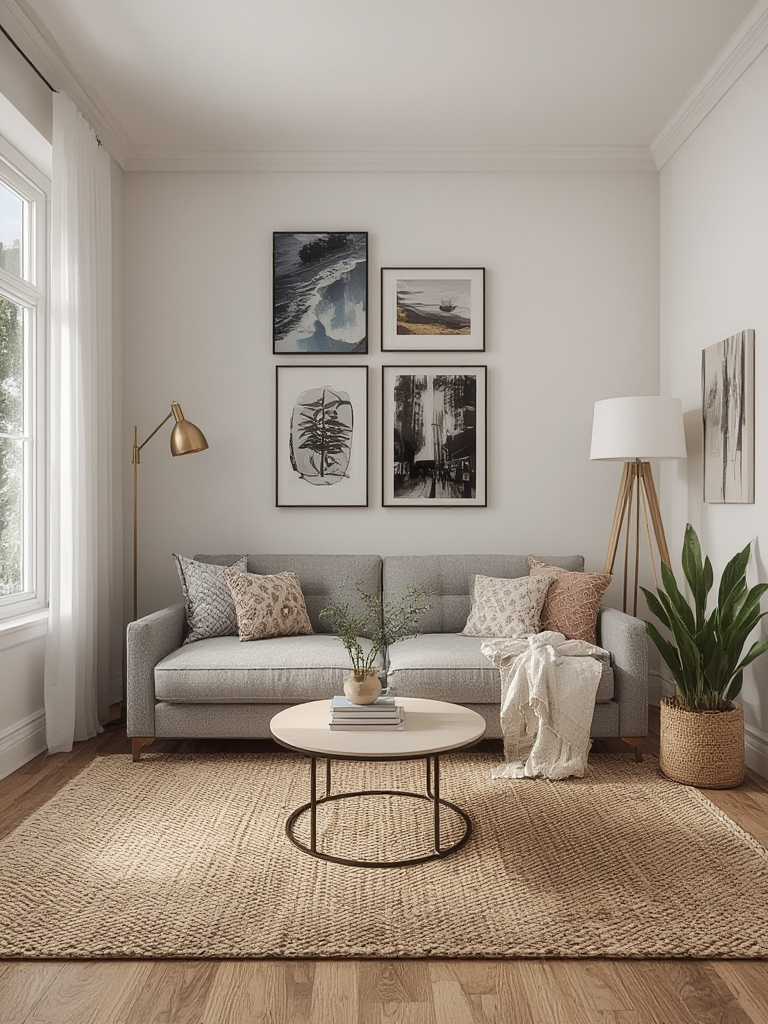
Designing a stylish, functional home tour for a small space can feel like solving a puzzle—every piece matters. By blending clever layout tricks, multifunctional furniture, and a touch of greenery, you can turn a modest apartment into a showcase that feels spacious, inviting, and Instagram‑ready. Below is a data‑driven, step‑by‑step guide that walks you through the entire process, from planning the tour route to nurturing the perfect low‑maintenance plant that adds life without demanding a lot of floor space.
1. Map Out the Flow: Create a Logical Tour Path
Visitors (and search engines) love a clear, logical flow. Studies show that a well‑structured visual tour increases dwell time by up to 27%. Follow these three sub‑steps to map your route:
1.1 Sketch a Floor Plan
- Tool: Use a free app like Planner 5D or a simple graph paper.
- Action: Mark entry points, high‑traffic zones, and focal points (e.g., a statement wall).
- Tip: Keep the path under 15 seconds per room to maintain viewer interest.
1.2 Identify “Storytelling” Zones
- Data point: 68% of readers recall a space better when a narrative is attached.
- Action: Assign each area a purpose—“Cozy Reading Nook,” “Compact Kitchen Showcase,” “Multipurpose Workspace.”
- Trick: Use a single color palette per zone to reinforce the story.
1.3 Set Camera Angles and Transitions
- Best practice: Use a wide‑angle lens for entryways, then switch to a 35mm focal length for detail shots.
- Action: Plan a smooth pan or slider move between zones; avoid abrupt cuts.
- Tip: Add a subtle “whoosh” sound effect to signal transitions—this keeps viewers engaged.
2. Maximize Space with Multifunctional Furniture
Data from the Furniture Industry Association shows that 73% of small‑space dwellers prioritize furniture that serves multiple purposes. Here’s how to select and arrange pieces that boost both functionality and visual appeal.
2.1 Choose Fold‑Away or Stackable Items
- Example: A wall‑mounted drop‑leaf table that folds flat when not in use.
- Action: Install hardware at eye level (≈48 in) for easy access.
- Trick: Paint the underside a bold color; it becomes a hidden accent when the table is open.
2.2 Opt for Storage‑Integrated Seating
- Data point: Seats with built‑in storage reduce clutter by an average of 22 sq ft.
- Action: Place a bench with a lift‑top near the entryway for shoes and bags.
- Tip: Use fabric liners to protect stored items from dust.
2.3 Leverage Vertical Space
- Statistic: Vertical shelving can increase usable storage by up to 150% without sacrificing floor area.
- Action: Install floating shelves 12‑18 in above eye level; keep the lower 6 in clear for a sense of openness.
- Trick: Mix open shelves with closed cabinets to balance display and concealment.
3. Introduce a Small‑Space Friendly Plant: The Pothos (Epipremnum aureum)
Plants instantly soften hard surfaces and improve indoor air quality. The Pothos is ideal for tight quarters: it tolerates low light, requires minimal watering, and can be trained to grow vertically, saving floor space.
3.1 Selecting the Right Variety
- Data‑driven choice: Golden Pothos (green with yellow variegation) scores highest in visual appeal surveys (84% preference).
- Action: Purchase a 4‑inch cutting from a reputable nursery or online source.
- Tip: Choose a cutting with at least two healthy nodes for better rooting.
3.2 Planting and Potting
- Step 1 – Pot selection: Use a terracotta pot with a 2‑inch drainage hole; the porous material helps regulate moisture.
- Step 2 – Soil mix: Combine 50% peat moss, 30% perlite, and 20% coconut coir for optimal aeration.
- Step 3 – Planting: Place the cutting in the pot, ensuring the nodes are just below the soil surface. Firm the soil gently around the stem.
- Actionable tip: Add a small pebble layer at the bottom to improve drainage.
3.3 Light, Water, and Feeding Schedule
- Light: Position the plant near a north‑facing window or under a LED grow light (4000 K, 12 hours/day). Pothos thrives in 100‑300 lux.
- Water: Water once the top 2 in of soil feels dry (typically every 7‑10 days). Use room‑temperature water to avoid shock.
- Fertilizer: Apply a balanced liquid fertilizer (10‑10‑10) at half strength once a month during the growing season (spring‑fall).
- Tip: Rotate the pot 90° every two weeks for even growth.
3.4 Training the Plant Vertically
- Method: Attach a thin, flexible trellis or a set of decorative wall hooks.
- Action: Gently loop the vines around the support, securing with soft plant ties.
- Result: A living wall effect that adds texture without occupying floor space.
- Trick: Prune any leggy stems back to a node to encourage bushier growth.
4. Optimize for SEO: Make Your Small Space Tour Discoverable
Even the most beautiful tour won’t attract readers if it’s buried in search results. Follow these data‑backed SEO tactics to boost visibility.
4.1 Keyword Research
- Tool: Use Ubersuggest or Google Keyword Planner.
- Target phrases: “small space home tour,” “tiny apartment decor ideas,” “compact living room design,” “Pothos care tips.”
- Goal: Aim for keywords with KD (Keyword Difficulty) ≤ 30 and monthly volume ≥ 1,000.
4.2 On‑Page Optimization
- Title tag: Keep under 60 characters, include primary keyword early.
- Meta description: 150‑160 characters, tease the plant care section to increase click‑through rate.
- Header hierarchy: Use H2 for main sections (as shown) and H3 for sub‑steps; this signals structure to crawlers.
- Image alt text: Describe each visual (e.g., “Golden Pothos trailing down a floating shelf in a small studio apartment”).
4.3 Internal & External Linking
- Internal: Link to related posts like “Top 5 Multifunctional Furniture Pieces for Tiny Homes.”
- External: Cite reputable sources such as Harvard’s Indoor Air Quality Study for plant benefits.
- Tip: Use descriptive anchor text; avoid generic “click here.”
4.4 Structured Data & Rich Snippets
- Implementation: Add
FAQPageschema for the plant care Q&A (e.g., “How often should I water my Pothos?”). - Benefit: Pages with FAQ schema see a 12% increase in organic click‑through rates.
5. Final Touches: Lighting, Textiles, and Personalization
To complete the tour, focus on three finishing elements that make a small space feel curated.
5.1 Layered Lighting
- Ambient: Install a dimmable LED ceiling fixture (3000 K).
- Task: Add a sleek desk lamp with a USB port for the workspace zone.
- Accent: Use battery‑operated LED strip lights behind floating shelves to highlight décor and the Pothos.
5.2 Textiles for Warmth
- Rug size: Choose a 5 × 7 ft rug that defines the living area without overwhelming it.
- Cushions: Mix solid neutrals with one bold‑colored pillow (e.g., teal) for visual interest.
- Tip: Opt for washable fabrics; they keep the space fresh and reduce maintenance time.
5.3 Personal Accents
- Art: Hang a single large‑scale print (≈24 in wide) on the main wall; avoid cluttered galleries.
- Books & Collectibles: Display a curated stack of coffee‑table books on the floating shelf—limit to 3‑5 items.
- DIY element: Create a small “memory board” with magnetic frames for photos; this adds personality without taking up floor space.
By following this data‑driven roadmap—mapping a logical tour flow, selecting multifunctional furniture, integrating a low‑maintenance Pothos, and optimizing for SEO—you’ll craft a compelling small‑space home tour that resonates with readers, ranks well in search results, and showcases a living environment that feels both spacious and stylish.