
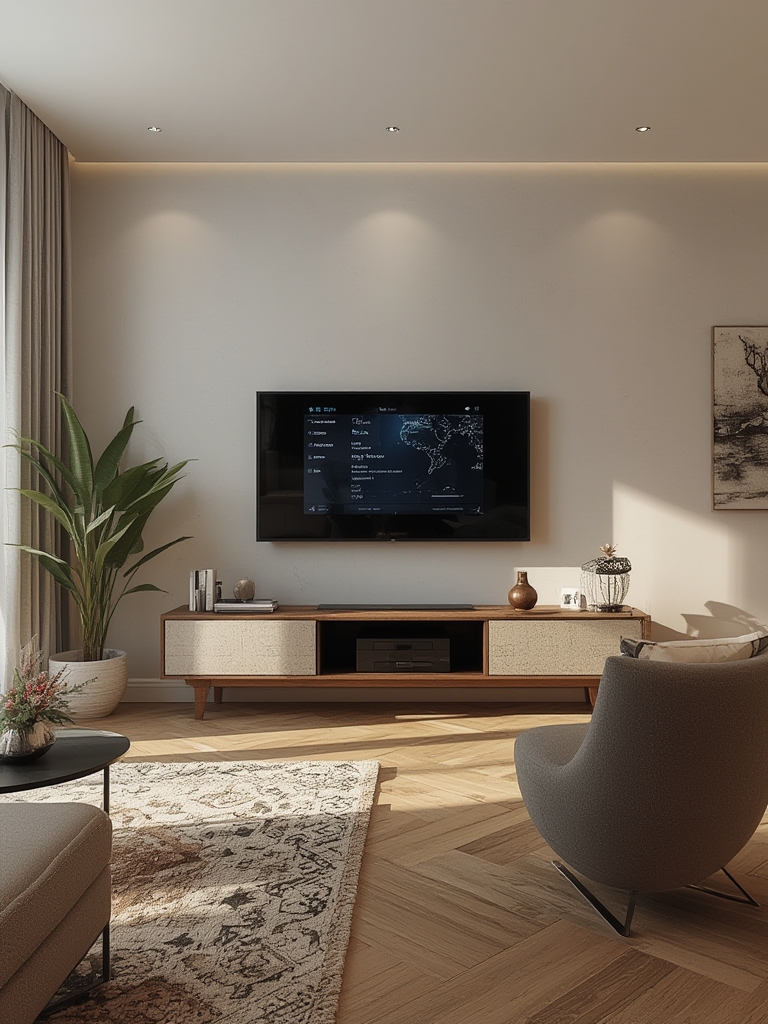
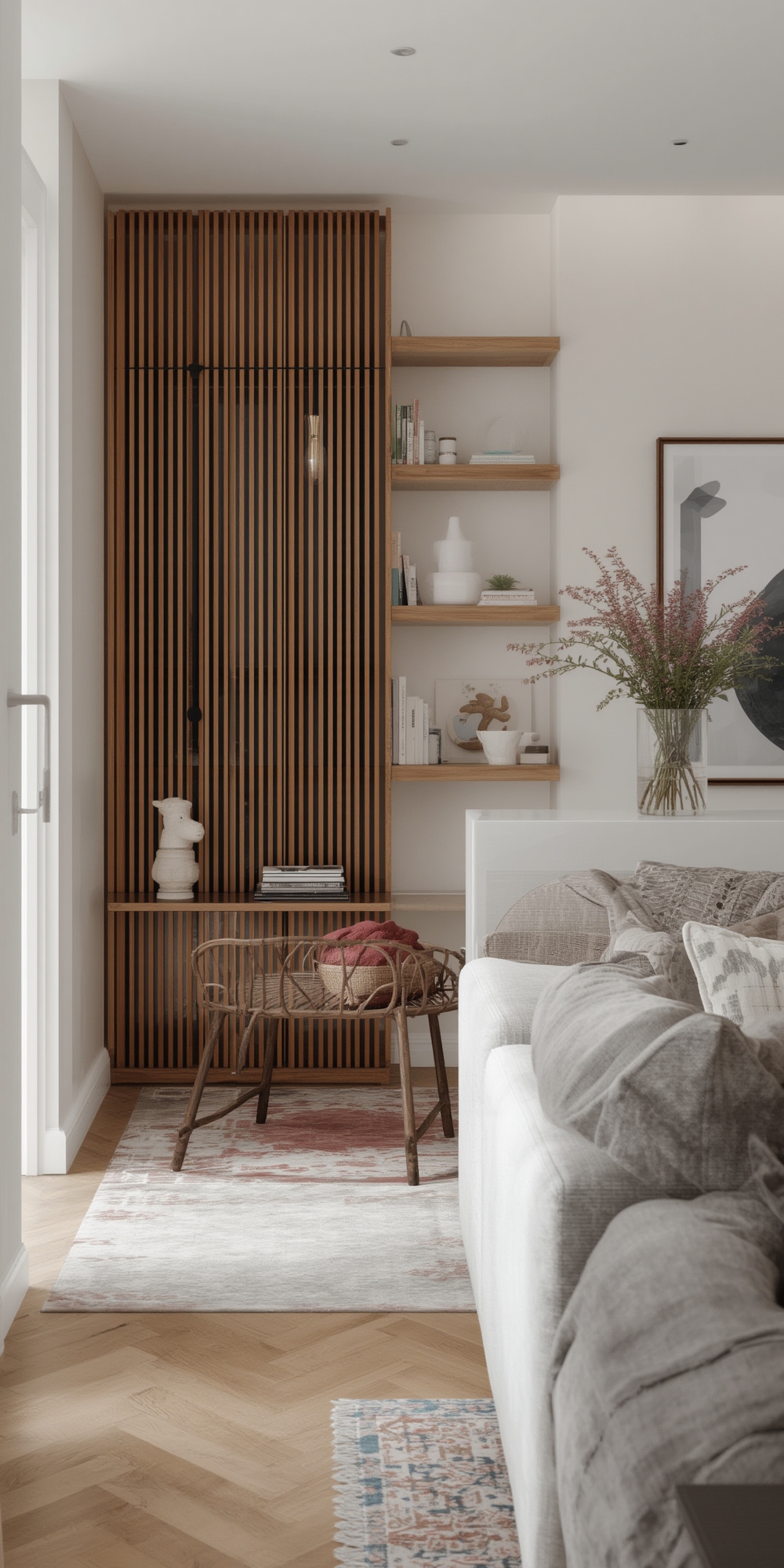
Smart home technology is no longer a futuristic novelty; it’s a daily reality that can enhance comfort, security, and energy efficiency. Yet, many homeowners worry that gadgets will clash with their interior style. The good news is that with thoughtful planning, you can weave cutting‑edge tech seamlessly into your décor, creating a space that feels both futuristic and inviting. Below, we’ll explore data‑driven design principles, practical integration steps, and even how to nurture a stylish indoor plant—like the popular Fiddle Leaf Fig—that becomes a living centerpiece of your smart home.
Why Smart Home Tech Matters in Modern Interiors
According to a 2023 Statista survey, 71% of homeowners say “convenience” is the top reason for adopting smart devices, while 58% prioritize “energy savings.” When technology aligns with aesthetics, it not only serves functional needs but also boosts perceived home value. A well‑designed smart home can:
- Reduce energy bills by up to 30% with intelligent lighting and climate control.
- Increase resale value—homes with integrated smart systems sell 5–7% faster.
- Enhance wellbeing through ambient lighting that syncs with circadian rhythms.
Choosing Technology That Complements Your Style
Minimalist Aesthetics
Minimalist interiors thrive on clean lines and hidden clutter. Opt for devices with neutral finishes—matte white, brushed steel, or black glass. Products like the Nanoleaf Shapes light panels double as art, offering customizable color palettes while serving as smart lighting.
Vintage & Retro Vibes
If your home leans toward mid‑century modern or industrial chic, look for retro‑inspired smart speakers (e.g., Amazon Echo Studio in a walnut finish) or smart thermostats that mimic classic wall switches. Pair these with exposed brick or reclaimed wood for a cohesive look.
Seamless Integration Techniques
Concealed Wiring and Power Solutions
Data from the CNET Home Wiring Report shows that 62% of smart‑home failures stem from poor power management. Use in‑wall power kits and cable raceways painted to match the wall color. For lighting, consider LED strips hidden behind crown molding or under cabinets.
Smart Furniture and Built‑In Devices
Furniture manufacturers now embed chargers, speakers, and even voice assistants into sofas, coffee tables, and nightstands. Choose pieces with Qi wireless charging pads and built‑in Amazon Alexa microphones to keep devices out of sight while staying functional.
Spotlight Plant: The Fiddle Leaf Fig – A Living Design Element
The Fiddle Leaf Fig (Ficus lyrata) is a tall, sculptural plant that adds height and texture to any room. Its large, glossy leaves create a natural focal point that balances the sleekness of tech. When paired with smart lighting, the plant can become a dynamic visual feature that changes with the time of day.
Step‑by‑Step Guide to Growing and Caring for Your Fiddle Leaf Fig
Step 1 – Selecting the Right Pot and Soil
Tip: Choose a breathable fabric pot (e.g., Smart Pot) to prevent root rot. Fill it with a well‑draining mix of peat moss, perlite, and orchid bark (2:1:1 ratio). This mix retains moisture without becoming waterlogged.
Step 2 – Light Requirements
Fiddle Leaf Figs need bright, indirect light. Place the plant near an east‑facing window, or use a smart LED grow light set to 5000 K for 12 hours a day. A Philips Hue light strip can be programmed to mimic sunrise, encouraging healthy leaf growth.
Step 3 – Watering Schedule
Water when the top 2 inches of soil feel dry—typically every 7–10 days. Use a moisture sensor (e.g., Xiaomi Mi Plant Sensor) that sends alerts to your phone, ensuring you never over‑ or under‑water.
Step 4 – Feeding & Fertilizing
During the growing season (spring‑fall), feed with a balanced liquid fertilizer (10‑10‑10) once a month. Set a smart plug on a timer to remind you on the first Monday of each month.
Step 5 – Pruning and Shaping
Trim any yellow or damaged leaves at the base with clean, sharp scissors. To maintain a tidy silhouette, prune back leggy stems in late winter. Use a laser level on your phone to ensure cuts are even, preserving the plant’s architectural look.
Step 6 – Integrating Sensors for Smart Care
Combine a soil moisture sensor, temperature sensor, and ambient light sensor into a single hub (e.g., Ecobee SmartSensor). Link the hub to your home automation platform (Apple HomeKit, Google Home) for real‑time monitoring and automated actions—like turning on the grow light when ambient light drops below 300 lux.
Adding Smart Features to Your Plant Display
Soil Moisture Sensors
These devices transmit data to your phone or smart speaker. Set thresholds (e.g., 30%–45% moisture) and receive push notifications when the plant needs water.
Automated Watering Systems
Install a drip irrigation kit with a Bluetooth‑controlled valve. Schedule watering cycles based on sensor data, reducing manual effort and ensuring consistent hydration.
Ambient Light Sensors
Place a sensor near the plant to gauge natural light intensity. Pair it with smart bulbs that adjust brightness automatically, ensuring the fig receives optimal light without glare.
Final Thoughts – Balancing Tech, Style, and Nature
Integrating smart home technology with stylish décor isn’t about hiding gadgets; it’s about curating a harmonious environment where function and form coexist. By selecting devices that match your aesthetic, concealing wiring, and using smart furniture, you create a sleek backdrop for your living spaces. Adding a living element like the Fiddle Leaf Fig brings warmth and organic texture, while smart sensors and automated care keep the plant thriving with minimal effort.
Remember, the most successful smart homes are those that feel effortless. Use data‑driven insights—like energy‑saving statistics and sensor feedback—to fine‑tune your setup. With the steps above, you’ll enjoy a home that’s both technologically advanced and beautifully styled, all while nurturing a thriving indoor oasis.