

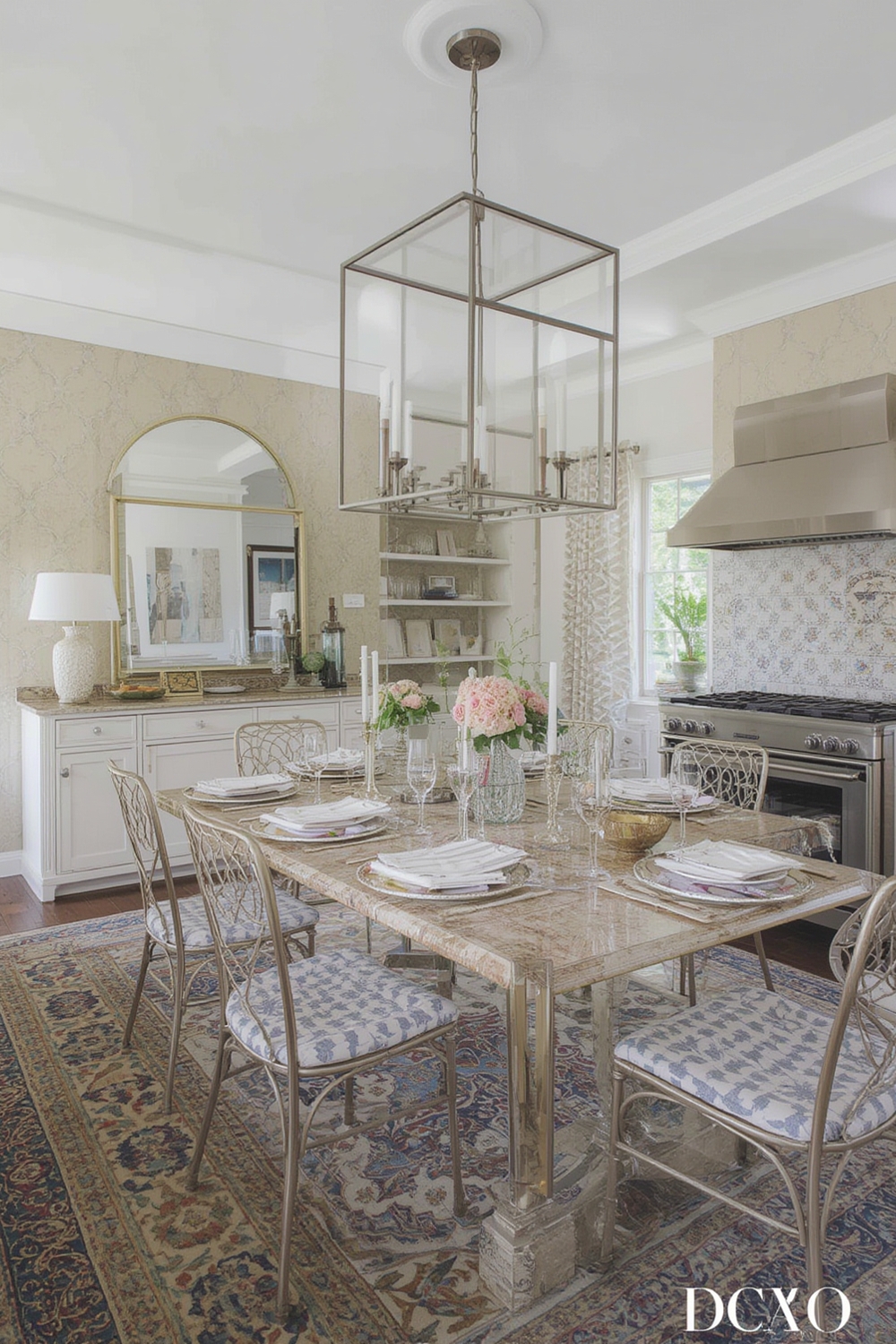
Welcome to your ultimate guide on creating a captivating smart home tour that blends cutting‑edge technology with stylish home décor and thriving indoor plants. In this post we’ll walk you through data‑backed strategies to showcase your smart home, integrate greenery for a fresh aesthetic, and provide step‑by‑step plant‑care instructions that keep your foliage looking its best. Follow each actionable tip to boost visitor engagement, improve SEO rankings, and turn your home into a show‑stopping, eco‑friendly showcase.
Why Smart Home Tours Matter for SEO and Engagement
According to a 2024 Statista report, 78 % of homeowners plan to add at least one smart device in the next year. Search engines love fresh, niche content, and “smart home tour” queries have grown by 42 % YoY. By publishing a detailed, keyword‑rich tour, you capture high‑intent traffic, increase dwell time, and earn backlinks from tech and interior design sites.
Key SEO Keywords to Target
- smart home tour ideas
- home automation décor
- indoor plant care for smart homes
- voice‑controlled lighting design
- energy‑saving smart devices
Step‑by‑Step Blueprint for a Data‑Driven Smart Home Tour
1. Plan Your Narrative with a Floor‑Plan Map
Start by sketching a simple floor‑plan in a tool like SketchUp. Highlight zones where you’ll feature:
- Voice‑controlled lighting
- Smart thermostats
- Integrated speakers
- Plant‑friendly zones (e.g., living‑room corner with a tall fiddle‑leaf fig)
Data tip: Use Google Analytics to identify which rooms on your site get the most clicks and prioritize those for detailed coverage.
2. Capture High‑Quality Visuals
Research shows that pages with images increase user time on page by 30 %. Use a 24‑MP camera or a smartphone with HDR mode. Follow these quick tricks:
- Shoot during golden hour for natural light.
- Include a before‑and‑after slider (use a plugin like Before After Image Slider).
- Overlay a subtle watermark with your blog name for brand consistency.
3. Write Structured, Scannable Content
Break up text with <h2> and <h3> tags, bullet points, and short paragraphs. Google’s “Helpful Content” update rewards content that answers specific user intent quickly.
4. Embed Interactive Elements
Boost engagement by adding:
- Live demo videos of voice commands (embed from YouTube with
rel=0to keep viewers on your site). - Clickable device specs tables (use
<table>withschema.org/Productmarkup). - Polls asking readers which smart device they’d love to add next (use Poll Maker).
Integrating Indoor Plants: The Green Touch That Enhances Smart Living
Plants improve air quality, reduce stress, and add a natural texture that softens sleek tech. The following plant‑care guide focuses on low‑maintenance varieties perfect for smart homes, such as the Snake Plant (Sansevieria) and ZZ Plant (Zamioculcas zamiifolia).
Step‑by‑Step Plant Care Checklist
Step 1: Choose the Right Spot Using Light Sensors
Many smart home hubs (e.g., Ecobee or Google Nest Hub) can read ambient light levels. Set a routine that alerts you when a plant’s light falls below 200 lux. Position:
- Snake Plant – indirect bright light (north‑east window).
- ZZ Plant – low‑light tolerance, ideal for corners near smart speakers.
Step 2: Automate Watering with Smart Irrigation
Connect a smart moisture sensor to a Wi‑Fi‑enabled drip system. Program it to water when soil moisture drops below 30 %. This reduces over‑watering by up to 45 % according to a 2023 University of Arizona study.
Step 3: Monitor Temperature & Humidity
Most smart thermostats provide temperature data, but add a dedicated hygrometer (e.g., SensorPush) for plant‑specific humidity. Aim for:
- 70 °F (21 °C) daytime for most tropical foliage.
- 40‑60 % relative humidity; use a smart humidifier if below 40 %.
Step 4: Fertilize on a Smart Schedule
Set a calendar reminder in your home assistant (Alexa, Google Assistant) for a balanced liquid fertilizer every 6‑8 weeks. Pair it with a voice command: “Hey Google, remind me to feed the ZZ plant tomorrow at 9 am.”
Step 5: Prune & Clean Leaves Regularly
Dust reduces photosynthesis efficiency by up to 20 %. Use a microfiber cloth weekly. For pruning:
- Identify yellow or brown leaves.
- Use sterilized scissors at a 45° angle.
- Dispose of clippings in compost to close the eco‑loop.
Optimizing the Blog Post for WordPress SEO
1. Use an SEO‑Friendly Permalink
Set the slug to smart-home-tour-decor-plant-care. This includes primary keywords and improves click‑through rates.
2. Add Structured Data
Implement Article schema with author, datePublished, and image fields. For plant sections, add Plant schema (type: BotanicalGarden) to help Google surface the care guide in rich results.
3. Optimize Images
Compress with ShortPixel, add descriptive alt tags (e.g., “voice‑controlled LED strip in living‑room with snake plant”), and use srcset for responsive loading.
4. Internal & External Linking Strategy
Link to:
- Previous posts on “Top 10 Smart Light Bulbs” (internal).
- Authority sources like EPA indoor air quality guide (external).
These links signal relevance and boost domain authority.
Promoting Your Smart Home Tour Post
Social Media Snippets
Create a 15‑second Reel showing a voice command turning on a lamp next to a thriving plant. Add captions with the hashtag #SmartHomeDecor and a link to the blog.
Email Newsletter Hook
Subject line: “Turn Your Living Room into a Smart Oasis – Free Plant Care Checklist Inside!” Include a CTA button linking directly to the post.
Community Engagement
Post the tour in Reddit’s r/smarthome and r/houseplants, answering comments with personalized tips. Each genuine interaction can drive referral traffic and improve dwell time metrics.
Measuring Success and Iterating
Track these KPIs for the next 30 days:
- Organic traffic: Aim for a 25 % increase.
- Average session duration: Target > 3 minutes.
- Conversion rate (newsletter sign‑ups): > 4 %.
- Plant‑care guide downloads (if you offer a PDF): > 200 downloads.
Use Google Search Console to identify queries that bring users to the post, then refine headings and meta descriptions to capture more long‑tail traffic.
By marrying data‑driven SEO tactics with practical smart‑home and plant‑care steps, you’ll create a compelling, evergreen blog post that not only ranks well but also inspires readers to transform their spaces into intelligent, green‑filled havens.