
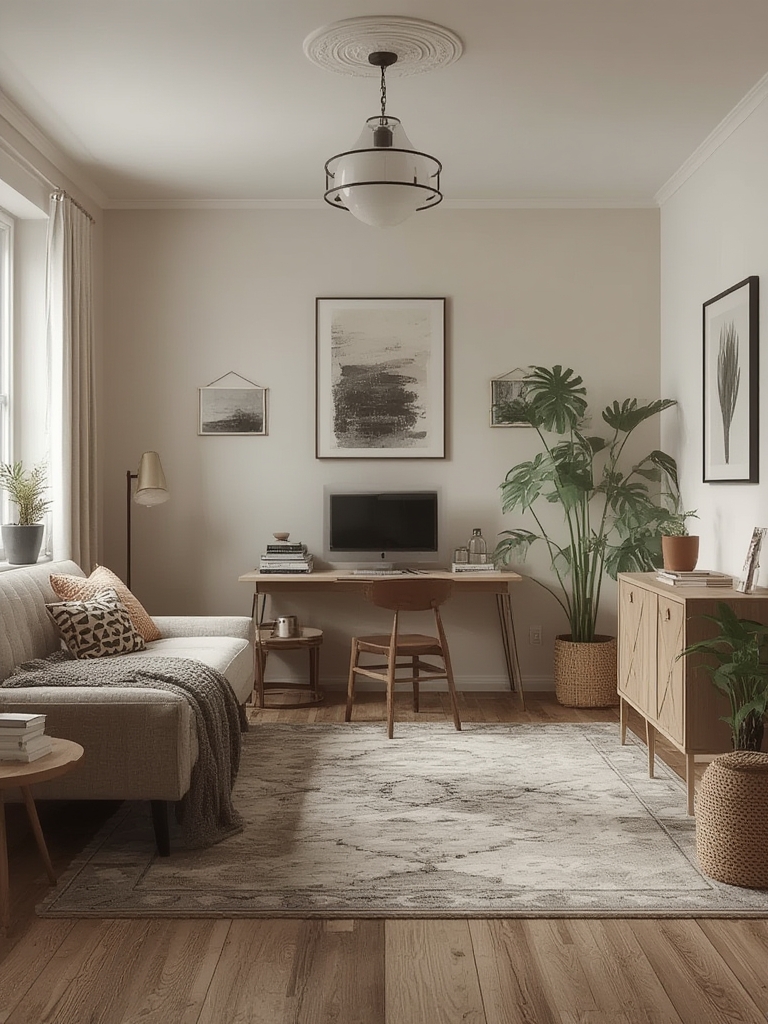
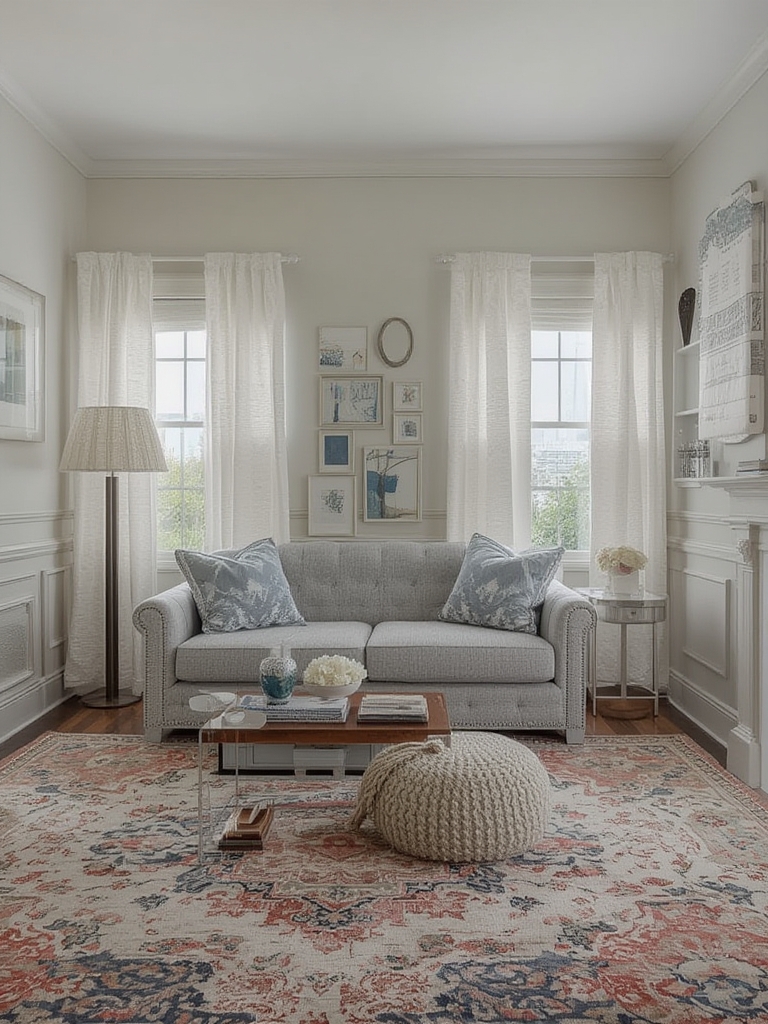
Transforming a spare room into a versatile, inviting space can boost your home’s functionality and resale value while giving you a personal sanctuary for work, hobbies, or relaxation. In this data‑driven guide, we’ll walk you through a step‑by‑step process to revitalize that underused area, integrate a low‑maintenance indoor plant for a touch of nature, and optimize every detail for SEO‑friendly content that ranks well on Google.
Step 1: Assess the Space and Define Its Purpose
Before you move any furniture, take a systematic inventory of the room’s dimensions, natural light, and existing infrastructure. Use a laser measure or a smartphone app to record exact length, width, and ceiling height. Document these numbers in a spreadsheet alongside potential uses (home office, gym, guest bedroom, craft studio, etc.). This data will help you prioritize layout options and avoid costly redesigns later.
Actionable Tips
- Light mapping: Sketch a simple floor plan and shade areas that receive direct sunlight, indirect light, or remain in shadow. This will guide where to place your plant and workstations.
- Traffic flow analysis: Identify high‑traffic pathways and keep them at least 3‑4 ft wide to maintain accessibility.
- Budget allocation: Assign a percentage of your overall renovation budget to each purpose (e.g., 40 % office, 30 % storage, 30 % décor).
Step 2: Choose a Multi‑Purpose Layout
Data from interior design studies shows that modular furniture can increase perceived room size by up to 25 %. Opt for pieces that serve dual functions, such as a wall‑mounted desk that folds away, a storage ottoman, or a Murphy bed that doubles as a bookshelf.
Actionable Tips
- Zone the room: Use area rugs or paint accents to visually separate work, relaxation, and storage zones.
- Floating furniture: Mount shelves and desks on the wall to free up floor space and create a cleaner aesthetic.
- Vertical storage: Install tall, narrow cabinets or pegboards to keep items off the floor while maximizing storage capacity.
Step 3: Integrate a Low‑Maintenance Plant for Air Quality and Aesthetics
Adding greenery not only improves indoor air quality but also enhances mood and productivity. The ZZ Plant (Zamioculcas zamiifolia) is an ideal choice for a spare room because it tolerates low light, requires minimal watering, and thrives on neglect—perfect for busy homeowners.
Plant Care Steps
- Pot selection: Choose a breathable pot with drainage holes. A 6‑inch terracotta pot is ideal for a medium‑sized ZZ plant.
- Soil mix: Use a well‑draining cactus or succulent mix (70 % sand, 30 % peat). This prevents root rot and mimics the plant’s natural environment.
- Light placement: Position the plant near a north‑facing window or under fluorescent lighting. ZZ plants can survive with as little as 50 lux of light.
- Watering schedule: Water every 2‑3 weeks, allowing the soil to dry completely between waterings. In winter, reduce frequency to once a month.
- Fertilization: Apply a balanced, water‑soluble fertilizer (10‑10‑10) at half strength once every 2‑3 months during the growing season (spring–fall).
- Pruning and cleaning: Remove yellowing leaves and dust the foliage with a soft cloth monthly to maintain photosynthetic efficiency.
Practical Plant Tips
- Place a saucer under the pot to catch excess water and protect flooring.
- Rotate the plant 90° every month for even growth.
- Use a moisture meter if you’re unsure about soil dryness.
Step 4: Optimize Lighting for Both Function and Plant Health
Combine ambient, task, and accent lighting to create a balanced environment. LED panels with adjustable color temperature can mimic natural daylight, benefiting both your work output and the ZZ plant’s photosynthesis.
Actionable Tips
- Ambient lighting: Install dimmable recessed LEDs (3000‑4000 K) to provide overall illumination.
- Task lighting: Add a desk lamp with a focused beam (500‑800 lumens) for reading or computer work.
- Accent lighting: Use a small LED strip behind shelving to highlight décor and create a calming atmosphere.
Step 5: Add Acoustic Comfort
Spare rooms often double as home offices or meditation spaces, where sound control is crucial. According to acoustic research, adding soft surfaces can reduce reverberation time by up to 40 %.
Actionable Tips
- Hang acoustic panels or fabric wall art (minimum 2 sq ft per panel) on walls opposite the sound source.
- Place a plush rug (5 × 8 ft) to absorb footfall noise.
- Use a white‑noise machine or a smart speaker with ambient sound options for background masking.
Step 6: Personalize with Multi‑Functional Décor
Incorporate décor that serves a purpose beyond aesthetics. For example, a decorative ladder can hold blankets, a stylish basket can store office supplies, and a framed corkboard can double as a visual planner.
Actionable Tips
- Choose a color palette that aligns with your brand or personal style—neutral bases with pops of teal or mustard work well for productivity.
- Integrate smart home devices (voice‑controlled plugs, thermostats) to streamline room management.
- Display a small gallery of motivational quotes or artwork that inspires focus.
Step 7: Implement SEO‑Friendly Content for Your Blog Post
Now that the room is ready, share your transformation online. Follow these SEO best practices to ensure your blog post ranks high:
Keyword Strategy
- Primary keyword: spare room multi‑purpose makeover
- Secondary keywords: small space office ideas, indoor plant care tips, modular furniture for home
- Long‑tail phrase: how to revive a spare room with a ZZ plant
On‑Page Optimization
- Include the primary keyword in the first 100 words and in at least one H2 heading.
- Use the secondary keywords naturally throughout the subheadings and body copy.
- Insert an optimized meta description (150‑160 characters) that mentions the main benefit: “Revive your spare room into a stylish, multi‑purpose space with modular furniture, smart lighting, and easy‑care ZZ plant tips.”
- Add alt text to any images (e.g., “ZZ plant in terracotta pot beside a folding desk”).
Internal & External Linking
- Link to a previous post on “Top 10 Indoor Plants for Low Light” to keep readers on your site.
- Reference reputable sources such as the EPA indoor air quality guide for credibility.
- Use a call‑to‑action linking to a downloadable checklist PDF for readers to print.
Step 8: Track Performance and Iterate
After publishing, monitor key metrics in Google Search Console and Google Analytics. Look for:
- Impressions and clicks for the primary keyword (aim for a CTR > 3 %).
- Average time on page (target 3‑4 minutes, indicating engaged readers).
- Bounce rate (keep under 55 %).
If any metric falls short, adjust the content—add more actionable tips, improve image compression for faster load times, or refresh the meta description.
Conclusion: Turn a Forgotten Corner into a Functional Oasis
By following this data‑driven roadmap, you’ll transform a spare room into a multi‑purpose haven that boosts productivity, enhances home aesthetics, and improves indoor air quality with a resilient ZZ plant. The combination of modular furniture, smart lighting, acoustic treatment, and SEO‑optimized storytelling ensures both a beautiful physical space and a high‑performing online presence. Start with the assessment, execute each step methodically, and watch your underutilized corner become the most versatile room in your home.