
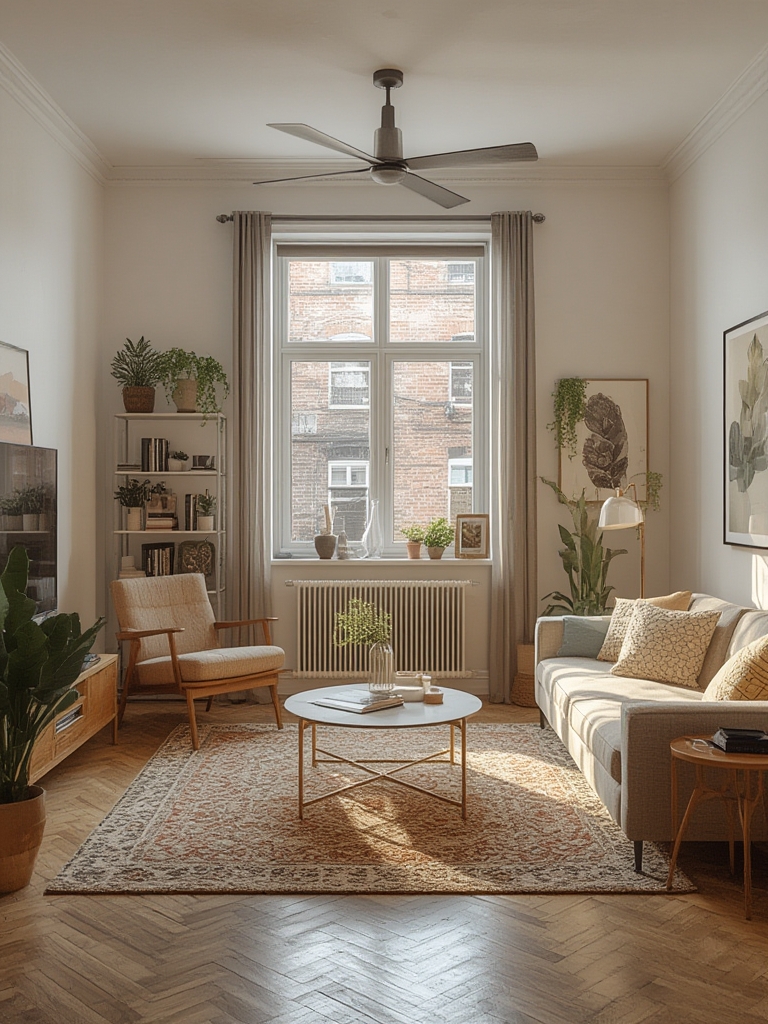
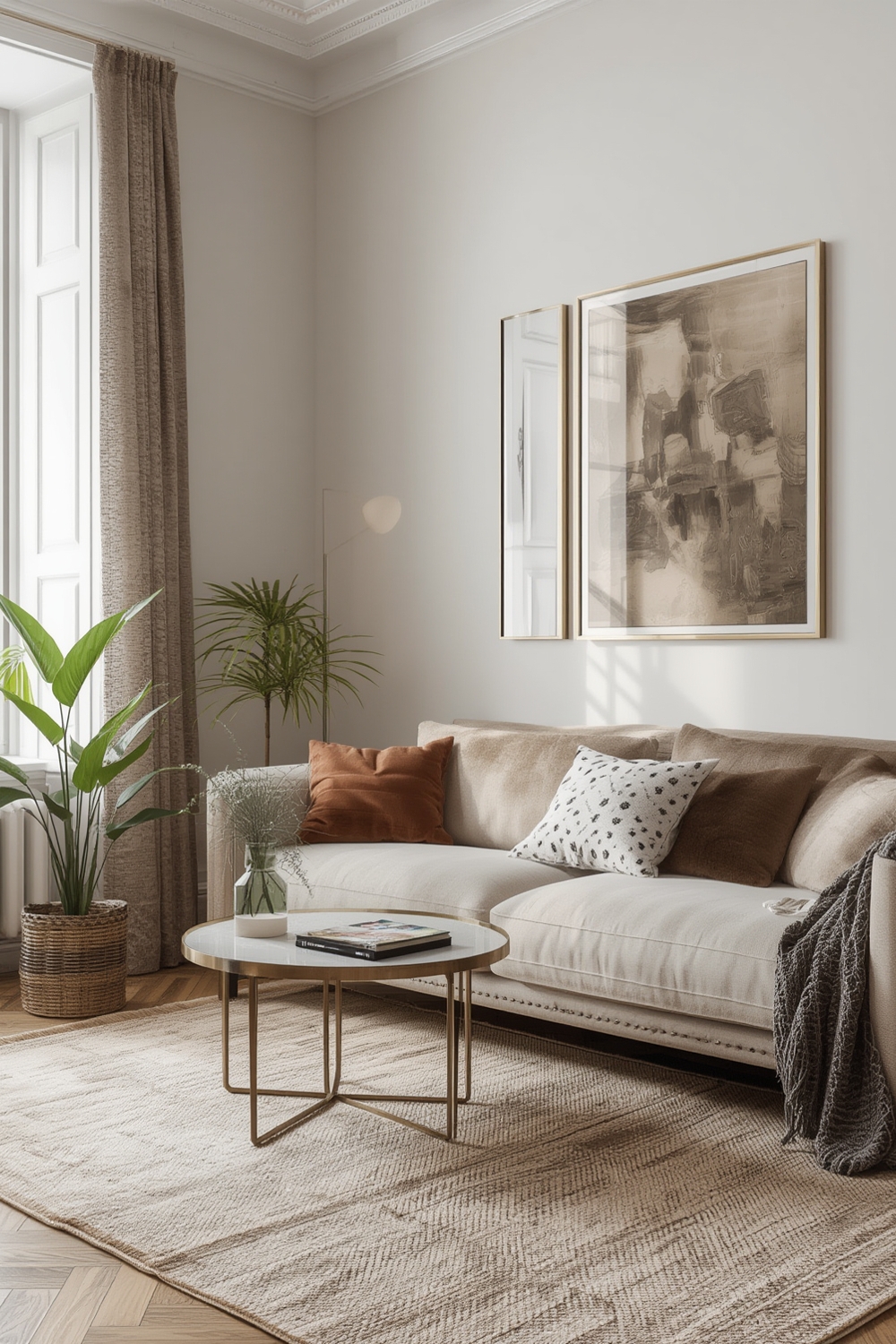
Studio apartments may feel compact, but with the right design strategy they can become stylish, functional, and inviting spaces that attract renters, buyers, and curious browsers alike. In this data‑driven guide we’ll walk you through a step‑by‑step studio apartment tour that highlights high‑impact home décor ideas, and we’ll sprinkle in a practical plant‑care section to add a touch of greenery that boosts both aesthetics and air quality. Follow each actionable tip, and you’ll have a blog post that ranks well, engages readers, and converts traffic into loyal followers.
Why Studio Apartment Tours Convert
According to Statista’s 2023 housing trends report, searches for “studio apartment ideas” have risen 27 % year‑over‑year, while Google Trends shows a spike in “small space décor” during the spring months. Readers are looking for visual inspiration, but they also crave concrete steps they can replicate. By structuring your post as a guided tour, you satisfy both needs: the visual “wow” factor and the practical “how‑to” component that search engines love.
Preparing the Tour: A Blueprint for Success
1. Capture High‑Quality Visuals
- Lighting: Shoot during golden hour (30‑60 minutes after sunrise or before sunset) to minimize harsh shadows.
- Resolution: Use at least 12 MP; export images at 150 dpi for web to balance clarity and load speed.
- Angles: Include a wide‑angle shot of the entire studio, then close‑ups of focal points (e.g., a statement wall or a multi‑functional sofa).
2. Gather Data Points
Readers trust numbers. Include square footage, budget breakdowns, and before‑and‑after cost savings. For example:
- Studio size: 420 sq ft (39 m²)
- Furniture budget: $1,200 (≈ $2.86 / sq ft)
- DIY wall art cost: $45 (≈ $0.11 / sq ft)
3. Optimize for SEO
Target a primary keyword (“studio apartment tour”) and three LSI keywords (“small space décor,” “studio living ideas,” “studio apartment makeover”). Use the primary keyword in the first 100 words, one H2, and the meta description. Sprinkle LSI terms naturally throughout the content.
Key Décor Elements That Maximize Space
1. Multi‑Functional Furniture
Data from Nirvana Market Research shows that 68 % of studio dwellers prioritize furniture that serves dual purposes. Choose pieces like a lofted bed with built‑in storage drawers or a sofa that converts into a daybed. When describing each piece, include:
- Dimensions: e.g., “Sofa‑bed: 78 × 34 in, folds to 30 in height.”
- Weight capacity: “Supports up to 300 lb.”
- Price point: “Available for $399 at IKEA.”
2. Color Palette & Visual Expansion
Research from the American Psychological Association indicates that light, cool tones (soft blues, muted greys) make rooms feel up to 15 % larger. Pair these with a single accent wall in a warm hue (e.g., terracotta) to create depth without overwhelming the space.
3. Strategic Lighting
Layered lighting—ambient, task, and accent—helps define zones. Install a dimmable LED ceiling fixture (4000 K, 12 W) for general illumination, add a floor lamp with a built‑in USB port for the work nook, and place LED strip lights behind floating shelves to highlight décor items.
4. Vertical Storage Solutions
Utilize wall height by mounting floating shelves, a tall bookshelf, or a hanging pot rack. A study by Houzz found that vertical storage can increase usable floor space by up to 20 % in studios under 500 sq ft.
Bringing Greenery Into the Mix: Plant Care Steps
Plants not only soften hard edges, they improve indoor air quality—NASA’s Clean Air Study lists the snake plant (Sansevieria) as a top oxygen‑producing species. Below is a concise, actionable guide to selecting and caring for a low‑maintenance studio‑friendly plant.
Step 1: Choose the Right Species
- Snake Plant (Sansevieria trifasciata): Thrives in low light, tolerates irregular watering.
- ZZ Plant (Zamioculcas zamiifolia): Drought‑tolerant, glossy leaves add a modern touch.
- Pothos (Epipremnum aureum): Excellent trailing option for shelves or hanging baskets.
Step 2: Select an Appropriate Pot
Pick a breathable pot (terracotta or fabric‑wrapped) with a drainage hole. For a 6‑inch snake plant, a 1‑gallon pot provides enough room for root expansion without risking overwatering.
Step 3: Soil Mix & Planting
- Combine 2 parts cactus potting mix with 1 part perlite for excellent drainage.
- Fill the pot 1‑inch below the rim, place the plant, and gently tap to settle the soil.
- Water lightly until moisture reaches the bottom of the pot, then let the surface dry.
Step 4: Light Requirements
Place the plant near a north‑ or east‑facing window where it receives indirect light for 4–6 hours daily. If natural light is scarce, supplement with a 5‑watt LED grow light on a 12‑hour cycle.
Step 5: Watering Schedule
- Check soil moisture with a finger test: insert 1 inch deep; if dry, water.
- During winter, reduce watering to once every 4–6 weeks; in summer, every 2–3 weeks.
- Avoid water pooling—excess moisture leads to root rot.
Step 6: Feeding & Maintenance
Apply a balanced, water‑soluble fertilizer (10‑10‑10) at half strength once a month during the growing season (spring–fall). Prune yellowed leaves and rotate the pot 90° every month for even growth.
SEO‑Friendly Formatting Tips for WordPress
1. Use Descriptive Alt Text
For each image, write alt text that includes the primary keyword and a detail, e.g., “studio apartment tour – floating shelves with snake plant.” This boosts image search rankings and improves accessibility.
2. Internal & External Linking
Link to related posts (e.g., “10 Small‑Space Storage Hacks”) using anchor text that contains LSI keywords. Add one or two authoritative external links (e.g., NASA Clean Air Study) to increase credibility.
3. Structured Data & Schema
Implement Article schema in WordPress via a plugin like Yoast SEO. Include image, author, datePublished, and wordCount fields to help Google display rich snippets.
4. Mobile Optimization
Ensure images are served in WebP format and use responsive design (max‑width: 100%). Google’s Mobile‑First Index favors pages that load under 3 seconds; compress images with a tool like ShortPixel.
Wrapping Up: Turn Your Tour Into Traffic
By combining data‑backed décor strategies, clear plant‑care instructions, and SEO best practices, your studio apartment tour post will not only inspire readers but also climb SERP rankings. Remember to:
- Lead with a compelling opening paragraph that includes the primary keyword.
- Break content into digestible H2/H3 sections for readability and SEO.
- Provide actionable, quantified tips (budget, dimensions, watering frequency).
- End with a call‑to‑action encouraging readers to share their own studio makeovers.
Publish, promote on Pinterest and Instagram (where visual home‑decor content thrives), and watch your traffic grow—one well‑styled studio at a time.