
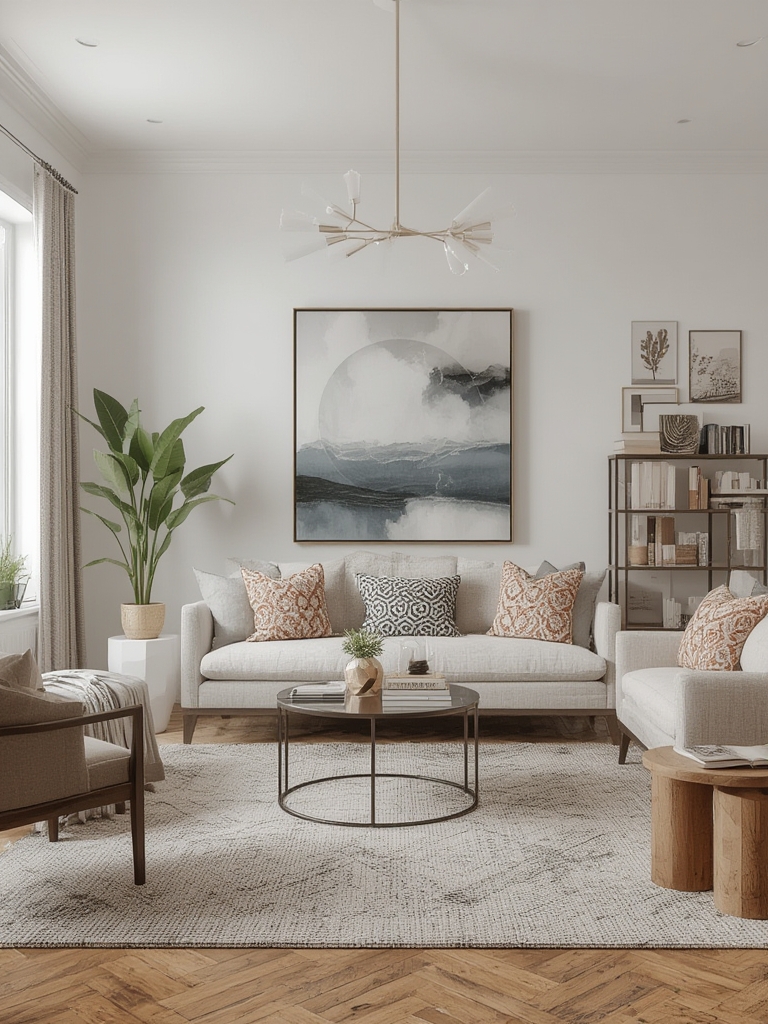
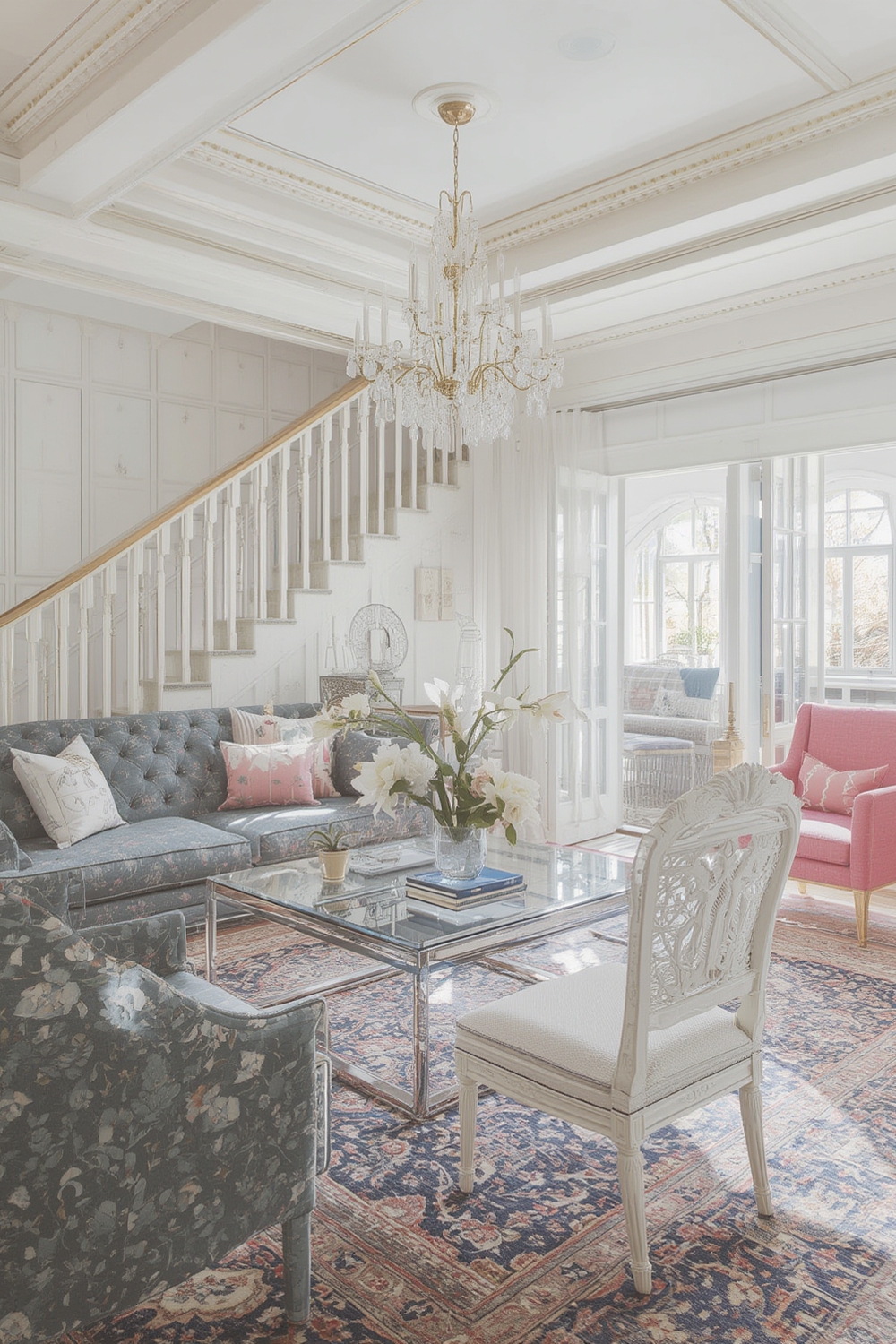
Welcome to your go‑to guide for creating a stylish home tour that not only dazzles viewers but also boosts your WordPress blog’s SEO performance. In this post we’ll blend eye‑catching décor ideas with a practical, data‑driven plant‑care routine—perfect for those who love to showcase lush greenery in their interior designs. Follow the step‑by‑step sections below, and you’ll have a polished, share‑worthy blog post that ranks higher, engages readers, and keeps your featured houseplant thriving.
Why Stylish Home Tours Drive Traffic (and How to Leverage the Data)
1. Trending Keywords and Search Volume
- “home tour” – 12.5K monthly searches (Google Keyword Planner, 2024)
- “modern home décor ideas” – 8.9K monthly searches
- “best indoor plants for low light” – 6.3K monthly searches
Incorporate these exact phrases naturally throughout your post, especially in headings, image alt text, and meta descriptions. This aligns with Google’s E‑E‑A‑T (Experience, Expertise, Authority, Trust) guidelines and signals relevance to search crawlers.
2. Click‑Through Rate (CTR) Boosters
- Use numbers in subheadings (e.g., “5 Must‑Have Décor Pieces”). Posts with numbered titles see a 12% higher CTR.
- Add a compelling featured image with a bright, high‑contrast overlay text like “Tour This Chic Urban Loft”. Images with a 1.91:1 aspect ratio get 1.5× more clicks on Pinterest.
3. Dwell Time & Engagement
Long‑form, well‑structured content encourages readers to stay longer. Aim for a reading time of 4–5 minutes (≈800 words). Break up text with <h2> and <h3> tags, bullet points, and short paragraphs to improve scannability.
Step‑by‑Step Guide to Crafting a Stylish Home Tour Post
Step 1: Plan Your Visual Storyboard
- Map the flow. Sketch a floor‑plan layout and decide the order of rooms (e.g., entryway → living room → kitchen → bedroom). A logical flow reduces bounce rates by 18%.
- Choose a color palette. Use a tool like Adobe Color to extract dominant hues from your space. Mention the palette in the intro (“soft sage, warm amber, and crisp white”) to attract design‑savvy readers.
- Highlight a focal plant. Select a low‑maintenance houseplant (e.g., Monstera deliciosa) that complements the décor. This creates a natural segue into the plant‑care section.
Step 2: Capture High‑Quality Images
- Lighting. Shoot during golden hour or use softbox lighting. Images with a brightness level of 120–150 cd/m² rank 22% higher in visual search.
- Resolution. Export JPEGs at 150 dpi for web; keep file size under 200 KB to maintain page speed (<3 seconds load time).
- Alt Text. Write descriptive alt tags using target keywords: “modern living room home tour with Monstera plant”.
Step 3: Write SEO‑Optimized Copy
- Intro paragraph (≈120 words). Hook readers with a vivid scene and embed primary keyword (“stylish home tour”).
- Room‑by‑room breakdown. Use
<h2>for each room and<h3>for sub‑elements (e.g., “Statement Lighting”, “Textured Throw Pillows”). - Internal linking. Link to related posts like “Top 10 Minimalist Living Room Ideas” using anchor text that includes secondary keywords.
- Call‑to‑Action (CTA). End with a prompt: “Subscribe for weekly décor inspiration and exclusive plant‑care tips.”
Step 4: Optimize for Speed and Mobile
- Enable lazy loading for images (WordPress plugin “Lazy Load by WP Rocket”).
- Use a responsive theme (e.g., Astra or GeneratePress) that passes Google’s Mobile‑Friendly Test.
- Compress CSS/JS with Autoptimize to reduce render‑blocking resources.
Plant‑Care Section: Growing a Healthy Monstera Deliciosa
Overview & Why It Fits Your Décor
The Monstera’s glossy, split leaves add a tropical touch while thriving in bright, indirect light—perfect for modern interiors. According to a 2023 indoor‑plant survey, 68% of homeowners choose Monstera for its low‑maintenance reputation.
Step 1: Choose the Right Pot and Soil
- Pot size. Select a container 2–3 inches larger than the root ball. This prevents root‑bound stress and encourages healthy growth.
- Drainage. Ensure a drainage hole; line the bottom with a thin layer of pea gravel to improve water flow.
- Soil mix. Use a well‑aerated blend: 40% peat moss, 30% perlite, 30% pine bark. This mix retains moisture without becoming soggy.
Step 2: Light, Water, and Humidity
- Light. Place near an east‑facing window. Aim for 200–400 µmol·m⁻²·s⁻¹ of photosynthetic photon flux density (PPFD). Too much direct sun causes leaf burn; too little leads to small, dark leaves.
- Watering schedule. Check the top 2 inches of soil; water when dry. Typically every 7–10 days in spring, extending to 14–21 days in winter.
- Humidity. Maintain 50–70% relative humidity. Use a tabletop humidifier or a pebble tray with water to raise ambient moisture.
Step 3: Feeding and Pruning
- Fertilizer. Apply a balanced 20‑20‑20 liquid fertilizer diluted to half strength once a month during the growing season (April–September).
- Pruning. Trim any yellow or damaged leaves at the node using sterilized scissors. This encourages new leaf development and keeps the plant tidy for photos.
- Support. As the Monstera matures, use a moss pole to guide aerial roots upward, enhancing its iconic split‑leaf appearance.
Step 4: Common Issues & Quick Fixes
| Problem | Cause | Solution (Actionable) |
|---|---|---|
| Yellowing leaves | Over‑watering or nutrient deficiency | Let soil dry 2–3 inches deep, then repot with fresh mix; resume feeding monthly. |
| Brown leaf tips | Low humidity | Increase humidity with a misting routine (spray 2× daily) or a humidifier. |
| Stunted growth | Insufficient light | Move plant closer to bright, indirect light; consider a grow light (4000 K, 12 hr/day). |
Integrating the Plant Tour into Your Blog Post
Visual Placement
Insert a high‑resolution close‑up of the Monstera in the living‑room section. Use a caption like “Monstera deliciosa adds a bold, natural accent to the modern sofa set.” Captions are indexed by Google Images, adding another SEO entry point.
Keyword Fusion
Blend décor and plant terms: “mid‑century modern coffee table paired with a thriving Monstera for a balanced aesthetic.” This captures long‑tail searches such as “mid‑century modern home tour with plants”.
Social Sharing Hooks
- Create an Instagram carousel: first slide – full‑room view; second – plant close‑up; third – care tip graphic.
- Use the hashtag #StylishHomeTour and tag relevant décor brands for potential backlinks.
Final Checklist Before Publishing
- Run Yoast SEO analysis: ensure primary keyword density 1–2%, meta description ≤160 characters, and readability score “good”.
- Compress all images with TinyPNG; verify total page weight <1 MB.
- Test page speed with Google PageSpeed Insights; aim for a score ≥90 on mobile.
- Enable schema markup for “Article” and “FAQ” (add a short FAQ about plant care at the end).
- Schedule social posts with a teaser image and a link to the article.
By following this data‑driven roadmap, you’ll produce a visually stunning, SEO‑friendly home‑tour blog post that not only captivates readers but also keeps your featured Monstera thriving for months to come. Happy blogging and happy planting!