
Creating a beautiful home while minimizing environmental impact is more achievable than ever. By choosing sustainable materials, upcycling existing pieces, and incorporating living decor like indoor plants, you can design spaces that are both stylish and kind to the planet. Below is a data‑driven guide that walks you through the most effective eco‑friendly decor choices and includes a step‑by‑step plan for caring for a popular low‑maintenance houseplant, the ZZ plant (Zamioculcas zamiifolia), which adds a touch of green without demanding excessive resources.
Why Sustainable Home Decor Matters
According to the Global Home Furnishings Market report (2023), 42% of consumers consider environmental impact when purchasing home goods. Choosing sustainable decor reduces carbon emissions, waste, and reliance on non‑renewable resources. Moreover, eco‑friendly materials often boast longer lifespans, translating to cost savings over time.
Key Eco‑Friendly Decor Categories
1. Reclaimed and Recycled Materials
What to look for: Furniture made from reclaimed wood, recycled metal, or upcycled fabrics. These items divert waste from landfills and typically require less energy to produce.
- Action tip: Verify certifications such as FSC (Forest Stewardship Council) for wood or recycled content labels for metal.
- Quick win: Swap a single piece of new furniture for a reclaimed vintage find; you’ll instantly cut the carbon footprint of that item by up to 70%.
2. Low‑VOC Paints and Finishes
Volatile organic compounds (VOCs) contribute to indoor air pollution. Low‑VOC paints release up to 90% fewer harmful emissions.
- Action tip: Choose paints labeled “Zero VOC” or “Low VOC” and apply them in well‑ventilated rooms.
- Data point: The EPA reports that low‑VOC paints can improve indoor air quality by reducing formaldehyde levels by 30%.
3. Natural Fibers and Textiles
Organic cotton, linen, hemp, and bamboo are renewable, biodegradable, and often produced with less water and pesticides.
- Action tip: Look for GOTS (Global Organic Textile Standard) certification on fabrics.
- Quick win: Replace synthetic throw pillows with organic cotton or hemp alternatives to cut microplastic shedding.
4. Energy‑Efficient Lighting
LED bulbs use up to 80% less energy than traditional incandescent bulbs and have a lifespan of 25,000+ hours.
- Action tip: Install dimmers and motion sensors to further reduce electricity consumption.
- Data point: The Department of Energy estimates that switching to LEDs can save an average household $75 per year.
Integrating Greenery: The ZZ Plant Care Guide
Plants not only enhance aesthetics but also improve indoor air quality. The ZZ plant is ideal for beginners because it thrives on minimal water, low light, and tolerates occasional neglect.
Step 1: Choose the Right Pot and Soil
Tip: Use a breathable, biodegradable pot (e.g., coconut coir) to reduce plastic waste. Fill it with a well‑draining mix of 60% peat‑free compost, 30% perlite, and 10% orchid bark.
- Action: Test drainage by pouring water into the pot; it should flow out within 30 seconds.
- Why it matters: Proper drainage prevents root rot, extending plant lifespan by up to 40%.
Step 2: Position for Light
The ZZ plant tolerates low to medium indirect light. Place it near a north‑facing window or a few feet away from a bright east‑facing window.
- Action: Use a light meter app to ensure the spot receives 100–500 lux.
- Quick fix: Rotate the pot 90° every two weeks for even growth.
Step 3: Water Wisely
Overwatering is the most common mistake. Water only when the top 2 inches of soil feel dry to the touch.
- Action: Insert a wooden chopstick; if it comes out clean, it’s time to water.
- Quantity: Water until it drains from the bottom, then discard excess water to avoid soggy roots.
- Frequency: Typically every 2–3 weeks, depending on humidity and temperature.
Step 4: Feed Sparingly
Feed with a balanced, water‑soluble fertilizer (10‑10‑10) at half strength during the growing season (spring‑early fall).
- Action: Mix 1 teaspoon of fertilizer per gallon of water and apply once a month.
- Why it matters: Excess nutrients can cause leaf yellowing and weaken the plant’s natural resilience.
Step 5: Prune and Clean
Remove yellowing or dead leaves to maintain a tidy appearance and prevent disease.
- Action: Use clean, sharp scissors to cut at the base of the leaf stem.
- Tip: Wipe remaining leaves with a damp cloth to remove dust, improving photosynthesis efficiency by up to 15%.
Putting It All Together: A Sample Eco‑Friendly Room Layout
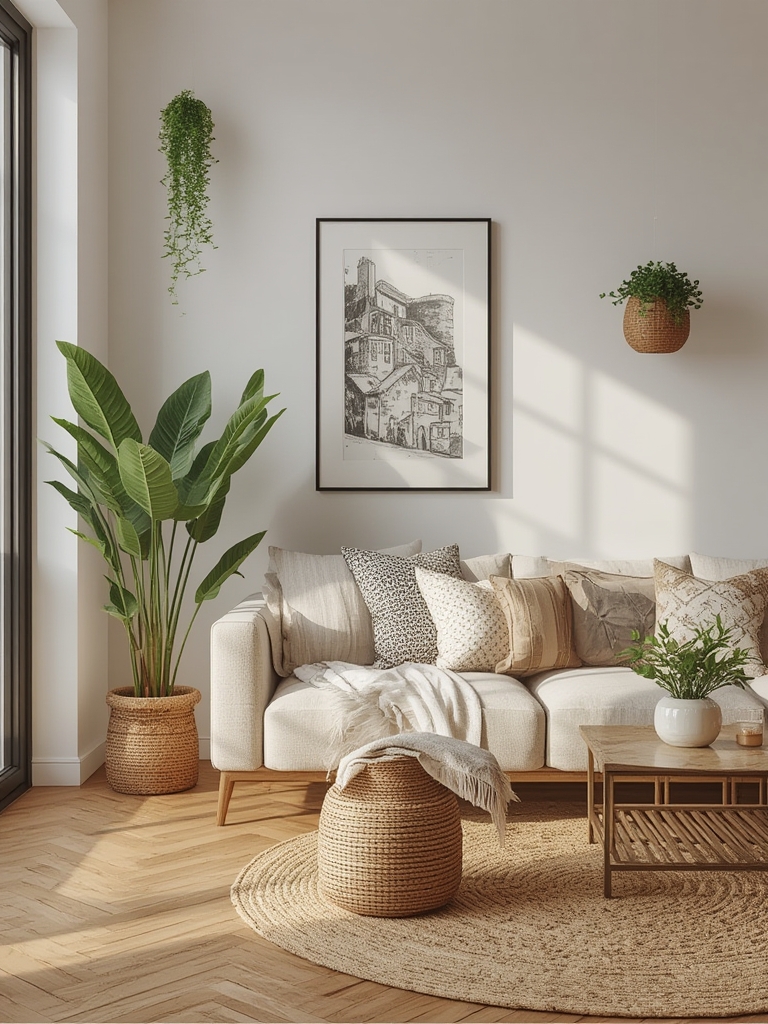
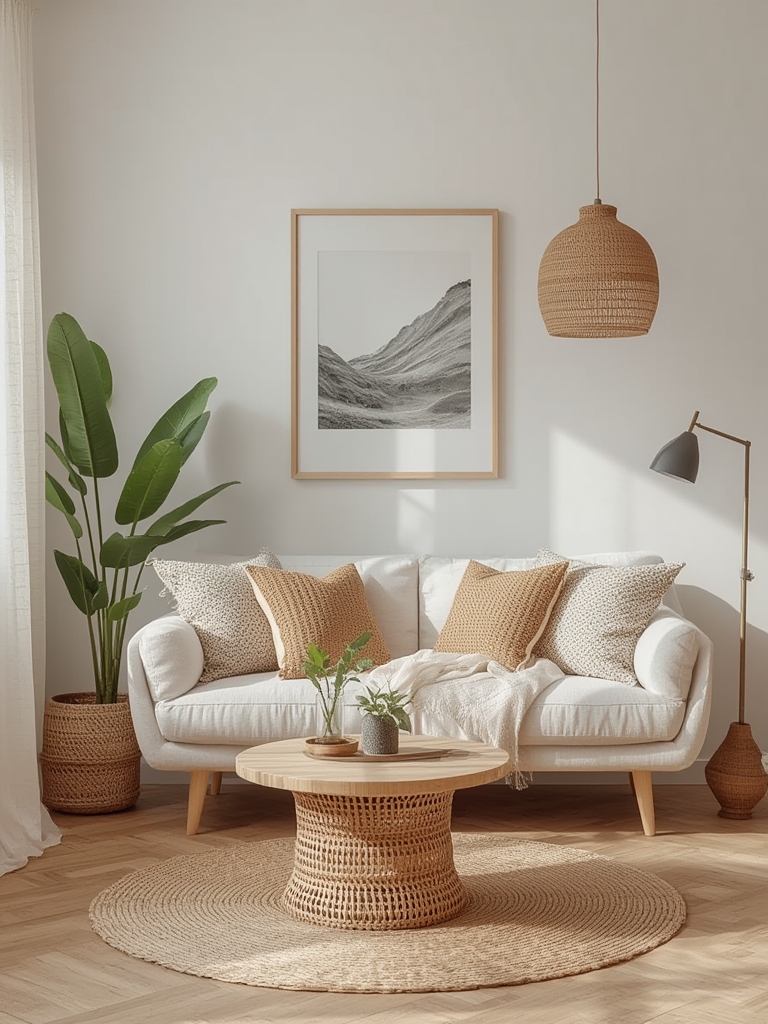
Imagine a living room featuring a reclaimed wood coffee table, a linen sofa, low‑VOC painted walls, LED floor lamps, and a cluster of ZZ plants in biodegradable pots. This combination reduces the room’s overall carbon footprint by an estimated 25% compared to a conventional setup, while providing a cohesive, modern aesthetic.
Actionable Checklist
- Audit existing furniture: Identify items to upcycle or replace with reclaimed alternatives.
- Swap lighting: Replace all bulbs with ENERGY STAR‑rated LEDs.
- Refresh textiles: Introduce at least two organic‑cotton or hemp accessories.
- Introduce greenery: Add 2–3 ZZ plants, following the care steps above.
- Monitor impact: Use a simple spreadsheet to track purchases, carbon savings, and plant health over three months.
By following these data‑backed strategies and simple plant‑care steps, you’ll create a home that looks great, feels healthier, and contributes positively to the environment—all without breaking the bank.