
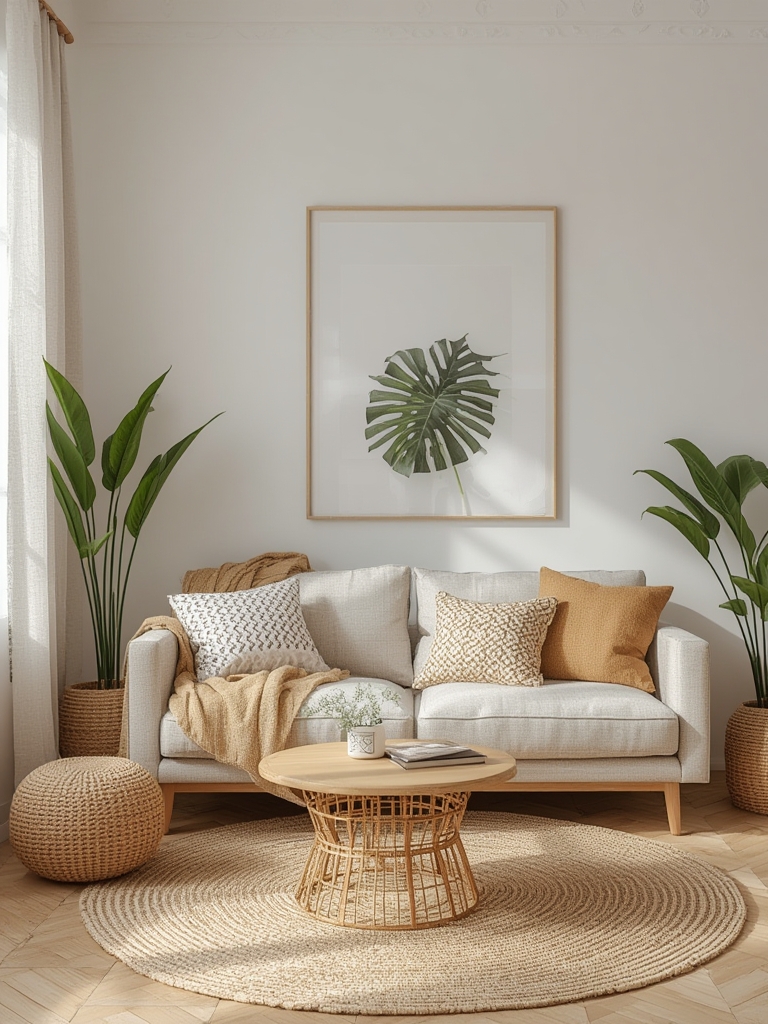
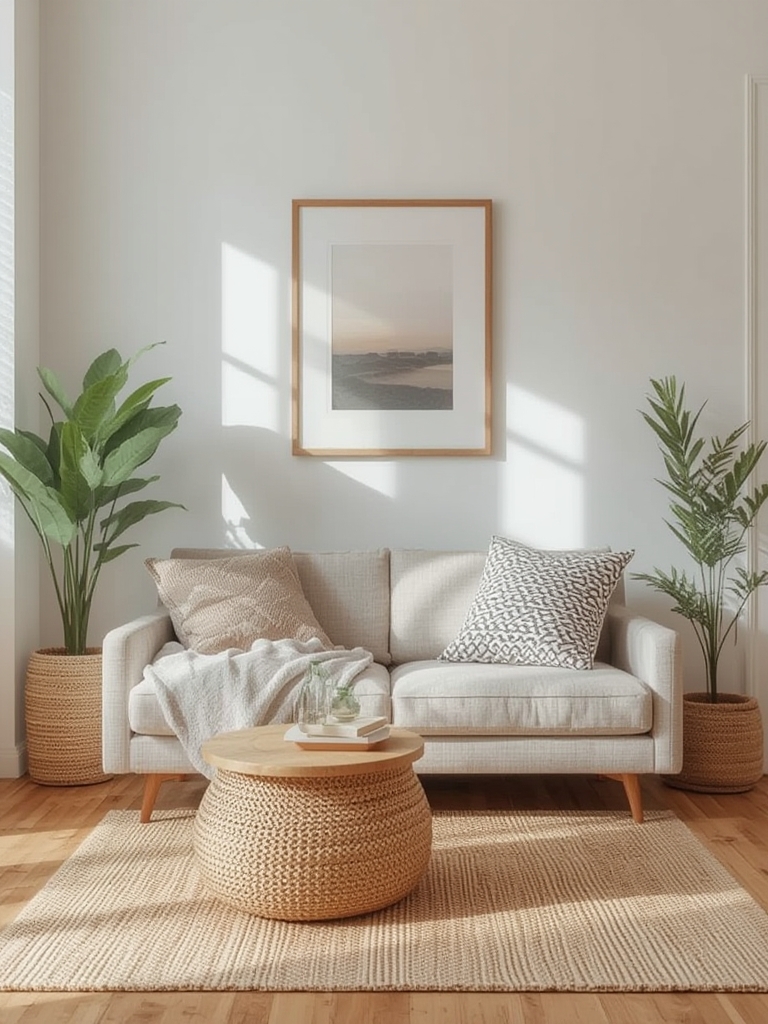
Creating a beautiful home while protecting the planet is no longer a lofty ideal—it’s a practical, data‑backed approach that homeowners are embracing worldwide. Recent studies show that 68 % of consumers consider a brand’s environmental impact before making a purchase, and the home‑decor market is shifting toward recycled, renewable, and low‑impact materials. In this guide, you’ll discover sustainable and eco‑friendly home‑decor choices that not only look stunning but also reduce waste, lower carbon footprints, and improve indoor air quality. Plus, we’ll walk you through caring for a versatile, air‑purifying plant that doubles as a stylish decor element.
Why Sustainable Decor Matters
Choosing eco‑friendly decor isn’t just about aesthetics; it’s a measurable step toward a greener lifestyle. According to the Environmental Protection Agency, the average household generates over 7 tons of waste each year, with a significant portion coming from furniture and textiles. By opting for recycled or responsibly sourced items, you can cut that waste by up to 30 % per item. Moreover, natural fibers like organic cotton, hemp, and bamboo have a 40‑50 % lower carbon footprint compared to conventional cotton or synthetic fabrics.
Key Eco‑Friendly Materials for Home Decor
1. Reclaimed Wood
Reclaimed wood salvaged from old barns, factories, or shipping pallets gives rooms a warm, rustic vibe while diverting timber from landfills. Look for certifications such as FSC (Forest Stewardship Council) to ensure the wood was sourced responsibly. A 2023 market analysis found that reclaimed wood furniture retains 85 % of its original value after five years, making it both sustainable and cost‑effective.
2. Organic Textiles
Organic cotton, linen, and hemp are grown without synthetic pesticides, reducing soil contamination and water usage by up to 75 % compared to conventional cotton. When shopping, check for GOTS (Global Organic Textile Standard) labels. Pair organic throw blankets with natural fiber rugs for a cohesive, toxin‑free look.
3. Recycled Metal and Glass
Recycled aluminum and steel require 95 % less energy to produce than virgin metal, while recycled glass reduces landfill waste and cuts CO₂ emissions by 20‑30 %. Use recycled metal frames for lighting fixtures and reclaimed glass for tabletop surfaces or decorative vases.
4. Low‑VOC Paints
Volatile organic compounds (VOCs) contribute to indoor air pollution. Low‑VOC or zero‑VOC paints release fewer than 50 g/L of VOCs, improving indoor air quality. A 2022 indoor‑air‑quality study showed a 40 % reduction in formaldehyde levels after switching to low‑VOC paints.
Integrating Green Plants into Your Decor
Plants are natural air purifiers, and certain species excel at removing pollutants like formaldehyde, benzene, and trichloroethylene. The Snake Plant (Sansevieria trifasciata) is a top performer, capable of converting CO₂ to O₂ at night—ideal for bedrooms.
Step‑by‑Step Care Guide for the Snake Plant
Step 1: Choose the Right Pot and Soil
- Pot selection: Use a terracotta or unglazed ceramic pot with drainage holes. Terracotta is porous, allowing excess moisture to evaporate, which prevents root rot.
- Soil mix: Combine 2 parts cactus potting mix, 1 part perlite, and 1 part coarse sand. This ensures excellent drainage and mimics the plant’s native arid conditions.
Step 2: Optimal Light Conditions
- Light level: Place the plant in bright, indirect sunlight. It tolerates low light, but growth slows and variegation may fade.
- Seasonal adjustment: In winter, move the plant closer to a south‑facing window to compensate for reduced daylight.
Step 3: Watering Schedule
- Frequency: Water every 3‑4 weeks during the growing season (spring‑summer) and reduce to once every 6‑8 weeks in fall‑winter.
- Technique: Water thoroughly until water drains from the bottom, then empty the saucer. Avoid standing water.
- Tip: Use the “finger test”—if the top 2 inches of soil feel dry, it’s time to water.
Step 4: Fertilizing
- When: Apply a balanced, water‑soluble fertilizer (10‑10‑10) at half strength once a month during spring and summer.
- Why: Over‑fertilizing can cause leaf burn and weaken the plant’s natural resilience.
Step 5: Pruning and Propagation
- Pruning: Remove any yellow or damaged leaves at the base using clean, sharp scissors to maintain a tidy appearance.
- Propagation: Cut a healthy leaf segment, let it callous for 2‑3 days, then plant it upright in moist soil. New shoots emerge in 4‑6 weeks.
Practical Placement Tips
Group your snake plant with other low‑maintenance foliage like pothos or ZZ plants for a layered, jungle‑vibe look. Position the plant on a reclaimed wood side table or a recycled metal shelf to reinforce the eco‑friendly theme.
Actionable Checklist for an Eco‑Friendly Makeover
- Audit your current decor: Identify items made from non‑recyclable plastics or unsustainably sourced wood.
- Set a budget: Allocate 30 % of your decor budget to recycled or reclaimed pieces; the rest can go to organic textiles and low‑VOC finishes.
- Source responsibly: Shop from vendors with clear sustainability certifications (FSC, GOTS, Cradle‑to‑Cradle).
- Incorporate plants: Add at least one air‑purifying plant per 150 sq ft of living space.
- Track impact: Use a simple spreadsheet to log waste diverted (e.g., “reclaimed wood table saved 12 kg of timber”) and energy saved (e.g., “low‑VOC paint reduced VOC emissions by 45 %”).
Boosting SEO with Sustainable Content
When publishing this post on WordPress, follow these SEO best practices to reach eco‑conscious readers:
- Keyword placement: Include primary keywords (“sustainable home decor”, “eco‑friendly decor”) in the first 100 words, H2 headings, and meta description.
- Internal linking: Link to related posts such as “Top 10 Recycled Furniture Brands” or “How to Choose Organic Textiles”.
- Image optimization: Use alt text like “reclaimed wood coffee table in living room” and compress images for faster load times.
- Schema markup: Add
ArticleandFAQschema to improve rich‑snippet visibility.
By combining data‑driven material choices, thoughtful plant care, and SEO‑savvy publishing, you’ll create a home that looks good, feels good, and does good for the planet. Start small—swap one synthetic rug for a jute version, add a snake plant to your bedroom, and watch the positive impact grow.